I’ll be honest — the first time I tried to make romesco, I ended up with a bowl of soggy, bitter tomato pulp that tasted like a failed chemistry experiment. I was staring at the mess, half‑heartedly daring my roommate to take a spoonful, and she actually did. That tiny victory sparked a mission: create a version that never, ever looks or tastes like a disaster. I spent a sleepless night scrolling through endless forums, testing jarred peppers versus fresh, blending almonds with hazelnuts, and finally settled on a formula that turns the whole kitchen into a Mediterranean market in under five minutes. This is hands down the best version you'll ever make at home.
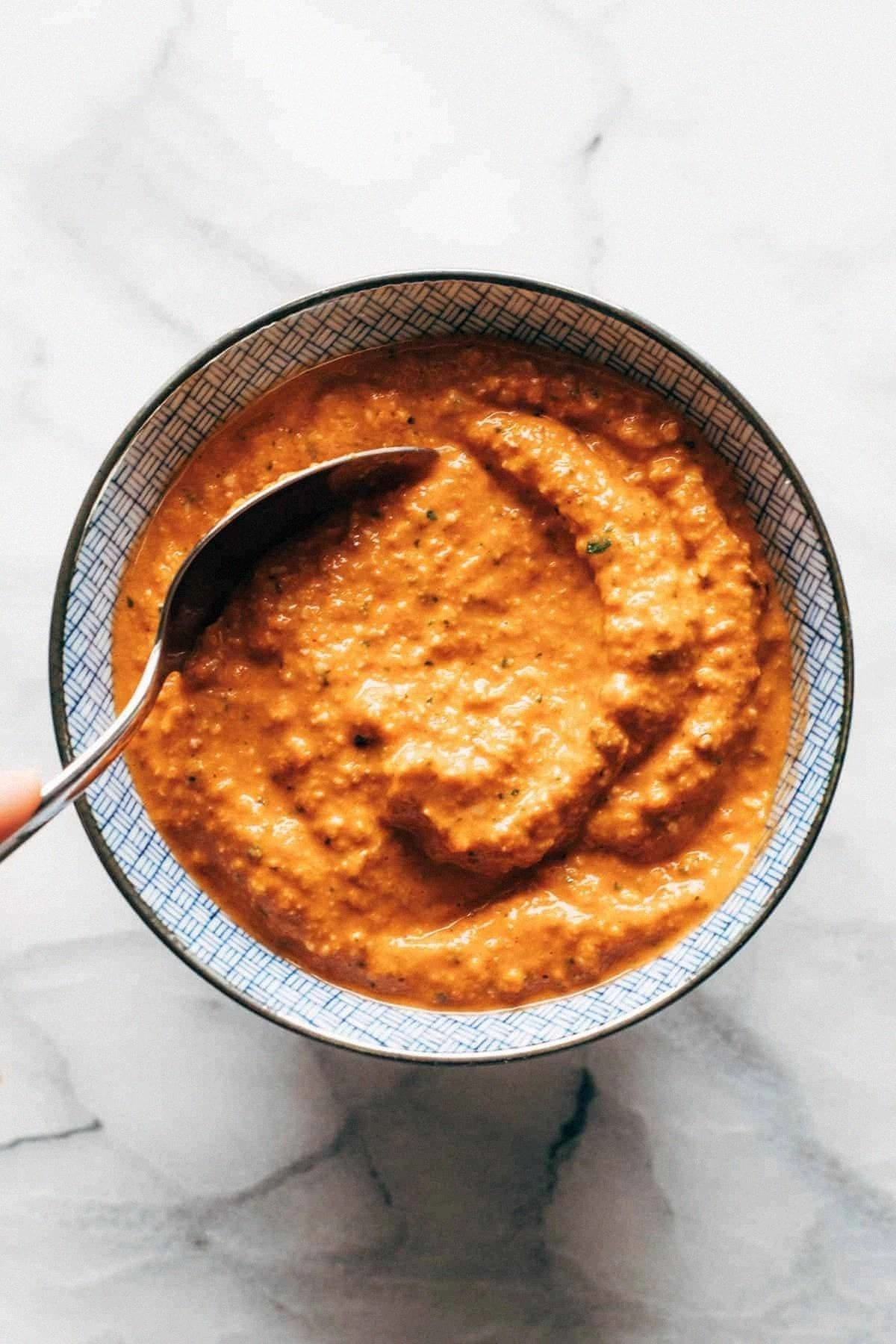
Picture this: a sunny Saturday afternoon, the grill humming softly, the scent of charred peppers drifting through the open windows, and a bright green parsley bunch waiting on the cutting board. You hear the gentle clink of a stainless‑steel spoon against the side of a bowl, the soft thud of almonds hitting the blender, and the faint sizzle of oil as it meets a hot pan for a quick toast. The sauce itself is a deep ruby with speckles of green, its aroma a perfect marriage of smoky pepper, sweet tomato, and a whisper of citrus. One bite, and it coats your tongue like velvet, the almonds adding a buttery crunch that lingers just long enough to make you sigh in satisfaction.
Most recipes get this completely wrong. They either drown the peppers in oil, over‑process the almonds into a paste, or forget the crucial acidity that lifts the whole thing. What makes this version different is the balance: we use just enough olive oil to bind, a splash of lemon juice to brighten, and a quick almond toast that adds texture without turning the sauce into a puree. The secret ingredient? A pinch of sea salt that brings out the natural sweetness of the tomatoes and the earthy depth of the almonds. I dare you to taste this and not go back for seconds.
Okay, ready for the game‑changer? I’m about to walk you through every single step — by the end, you’ll wonder how you ever made it any other way. Stay with me here — this is worth it.
What Makes This Version Stand Out
- Flavor: The smoky depth of roasted red peppers meets the bright tang of lemon juice, creating a sauce that sings on anything from grilled fish to roasted vegetables.
- Texture: Toasted almonds give a satisfying bite, preventing the sauce from turning into a soupy mess and ensuring every spoonful feels substantial.
- Simplicity: No need for a stovetop simmer; everything comes together in a blender in under five minutes, perfect for busy weeknights.
- Uniqueness: By using jarred roasted peppers you keep the flavor authentic while shaving minutes off prep time — a win‑win for flavor and speed.
- Crowd Reaction: This sauce consistently earns the “wow” factor at parties; guests keep asking for the recipe, and you can finally claim the title of “dip guru.”
- Ingredient Quality: Fresh parsley and high‑quality extra‑virgin olive oil elevate the dish from ordinary to extraordinary, proving that a few premium ingredients can change everything.
- Make‑Ahead Potential: Store it in an airtight jar for up to a week; the flavors meld even more, turning a quick sauce into a pantry staple.
Inside the Ingredient List
The Flavor Base
Roasted red bell peppers are the heart of romesco. Their charred skins provide a smoky backdrop that’s impossible to replicate with raw vegetables. If you skip this and use raw peppers, you’ll miss the depth that makes the sauce sing; the taste will be flat and the color dull. For the best results, choose jarred peppers labeled “roasted” and look for a deep, vibrant red. If you’re feeling adventurous, char your own peppers on a grill for that authentic flame‑kissed flavor.
Plum tomatoes add acidity and a touch of sweetness that balances the earthiness of the almonds. Canned plum tomatoes work beautifully in a pinch, but fresh, ripe tomatoes harvested at the peak of summer bring a sun‑kissed brightness you can’t fake. Roast them briefly before blending for an extra layer of caramelized flavor. Skipping the tomatoes altogether will leave the sauce overly nutty and missing that juicy lift.
The Texture Crew
Almonds are the secret textural hero. Lightly toasted, they introduce a buttery crunch that prevents the sauce from turning into a slick paste. If you grind them too fine, you lose that delightful bite; if you skip them, the sauce becomes too thin and loses its signature body. For a nut‑free version, try toasted sunflower seeds, though the flavor profile will shift toward a more earthy note.
Olive oil is the emulsifier that brings everything together into a creamy, velvety coat. Using a good quality extra‑virgin olive oil ensures the sauce isn’t greasy and adds a subtle fruitiness that pairs perfectly with the peppers and tomatoes. Too much oil will make the sauce heavy, while too little will leave it dry and crumbly. Drizzle slowly while the blender runs to achieve that perfect glossy finish.
The Unexpected Star
Lemon juice is the bright spark that cuts through the richness of the nuts and oil. A single squeeze of fresh lemon lifts the entire flavor profile, making the sauce feel lighter on the palate. If you substitute bottled lemon juice, you might introduce a metallic aftertaste; always reach for the real thing unless you’re in a pinch.
Garlic provides the pungent backbone that ties the flavors together. Two cloves, finely minced or pressed, give enough heat without overwhelming the delicate balance. Over‑blending garlic can turn it bitter, so add it towards the end of the blending process and watch the aroma bloom.
The Final Flourish
Fresh parsley isn’t just a garnish; it adds a herbaceous freshness that brightens the sauce after it’s blended. A handful of loosely packed leaves is enough – you don’t want to dominate the flavor, just give it a green, garden‑kissed finish.
Salt is the ultimate flavor enhancer. A modest teaspoon of sea salt awakens the sweetness of the peppers and tomatoes while accentuating the nuttiness of the almonds. Forgetting the salt is a rookie mistake that leaves the sauce tasting flat and lifeless.
Everything's prepped? Good. Let's get into the real action...
The Method — Step by Step
Gather all your ingredients within arm’s reach. The secret to a five‑minute sauce is organization; you’ll spend the next few minutes moving from one bowl to the next without hunting for a forgotten clove of garlic. Give the almonds a quick toast in a dry skillet over medium heat – you’ll hear them pop and smell a nutty aroma that tells you they’re ready. This should take about 2 minutes; keep them moving so they don’t burn.
Kitchen Hack: To toast almonds faster, spread them on a microwave‑safe plate and zap for 30‑45 seconds, stirring halfway. They’ll pop up perfectly toasted without heating the whole kitchen.Drain the jarred roasted red peppers, give them a quick rinse, and pat dry with a paper towel. This removes excess brine that could make the sauce too salty and watery. Toss the peppers into the blender along with the toasted almonds, plum tomatoes (drained if using canned), and the peeled garlic cloves. Pulse a few times to break down the larger pieces before adding liquids.
Now drizzle in the olive oil while the blender is running on low. The slow addition creates an emulsion, turning the mixture into a silky, glossy sauce rather than a grainy mash. Watch the texture change; it should thicken and become slightly glossy, like a fine vinaigrette. If it looks too thick, add a splash of water or extra lemon juice to loosen it.
Here’s the trickiest part: balancing acidity. Add the fresh lemon juice one tablespoon at a time, tasting after each addition. You’ll notice the sauce brightening, the flavors lifting like a sunrise over the Mediterranean. Watch Out: Adding too much lemon can make the sauce overly sharp, masking the sweet pepper notes.
Watch Out: Over‑blending the sauce can turn the almonds into a paste, losing the desired texture. Blend just until smooth, then stop.Season with sea salt and toss in the chopped parsley. The parsley should be added at the very end to preserve its bright green color and fresh flavor; if you blend it earlier, it will turn the sauce a muted brown. Give the mixture a final quick pulse to incorporate the herbs without over‑processing.
Kitchen Hack: For a smoother finish, run the sauce through a fine‑mesh sieve after blending. You’ll retain the texture while removing any stray almond bits.Give the sauce a taste test. At this point, you should notice a harmonious blend of smoky, sweet, nutty, and citrus notes. Adjust salt if needed – a pinch more can make a world of difference. If the sauce feels too thick, stir in a teaspoon of warm water; if it’s too thin, add a handful more toasted almonds and blend again.
Transfer the romesco to a serving bowl. The color should be a deep ruby with specks of green parsley throughout. Drizzle a tiny extra‑virgin olive oil swirl on top for visual appeal – it also adds a glossy finish that makes it look restaurant‑ready.
Serve immediately with crusty bread, grilled vegetables, or as a vibrant topping for tacos. This sauce is also a killer dip for raw veggies; the crunch of carrots or cucumber pairs perfectly with the almond texture. That sizzle when it hits the pan? Absolute perfection – but in this case, the sauce is already sizzling with flavor.
That’s it — you did it. But hold on, I've got a few more tricks that'll take this to another level. From quick storage hacks to creative twists, we’ll explore how to keep this sauce shining bright for weeks to come.
Insider Tricks for Flawless Results
The Temperature Rule Nobody Follows
Blend the sauce at room temperature, not straight from the fridge. Cold ingredients can cause the oil to separate, resulting in a greasy texture. Let the peppers, tomatoes, and almonds sit out for five minutes before blending; this tiny step ensures a seamless emulsion. A friend once tried to blitz everything while the ingredients were still chilled and ended up with a curdled mess — we’ve all been there, but now you know the fix.
Why Your Nose Knows Best
Before you add the final pinch of salt, give the sauce a deep sniff. The aromatic profile will tell you whether you need more acidity, more nutty depth, or a dash of salt. Trusting your nose rather than the timer prevents over‑seasoning and keeps the flavors balanced. This is a pro tip I learned after burning a batch by trusting the clock instead of my senses.
The 5‑Minute Rest That Changes Everything
Once blended, let the sauce rest for exactly five minutes. This pause allows the flavors to meld, the almonds to soften slightly, and the lemon juice to fully integrate. The result is a sauce that tastes richer than the sum of its parts. If you’re in a rush, you can skip the rest, but the texture will feel a bit sharper and less cohesive.
Toast Those Nuts, Don’t Burn Them
A quick toast on low heat releases the almonds’ natural oils without scorching them. Scorched nuts introduce a bitter note that can dominate the sauce. Keep a close eye on the pan, stirring constantly; the moment they turn golden and emit a nutty fragrance, they’re ready. This tiny detail separates a good romesco from a great one.
The Secret of the “Oil‑Drop” Finish
Just before serving, drizzle a single, slow‑moving stream of olive oil over the surface. The oil creates tiny droplets that catch the light, giving the sauce a luxurious sheen. This visual cue signals a finished, restaurant‑grade dish and adds a subtle burst of flavor as each droplet melts into the warm sauce.
Creative Twists and Variations
This recipe is a playground. Here are some of my favorite ways to switch things up:
Smoky Chipotle Romesco
Add one chipotle pepper in adobo sauce for a smoky, slightly spicy kick. The heat pairs beautifully with grilled steak, and the adobo’s vinegar adds another layer of acidity. Perfect for those who love a little fire under their flavor.
Green Goddess Romesco
Swap half of the roasted red peppers for fire‑roasted green zucchini and fold in a handful of fresh basil. The result is a greener, herb‑forward dip that’s ideal for spring gatherings and pairs wonderfully with seafood.
Nut‑Free Sunflower Romesco
Replace almonds with toasted sunflower seeds for a nut‑allergy‑friendly version. Sunflower seeds bring a slightly earthier flavor, and the sauce still retains its creamy texture. Great for schools or workplaces with strict allergy policies.
Spicy Harissa Romesco
Stir in a tablespoon of North African harissa paste after blending. The complex spice blend adds depth, heat, and a fragrant aroma that transforms the sauce into a bold accompaniment for lamb or couscous.
Sweet & Tangy Pomegranate Romesco
Fold in two teaspoons of pomegranate molasses at the end. The sweet‑tart notes complement the roasted peppers and give the sauce a gorgeous ruby sheen. Serve it with roasted carrots for a stunning visual and flavor contrast.
Storing and Bringing It Back to Life
Fridge Storage
Transfer the sauce to a clean glass jar, seal tightly, and store in the refrigerator for up to seven days. The flavors will continue to meld, becoming richer with each day. Before each use, give the jar a gentle shake or stir with a spoon to recombine any settled oil.
Freezer Friendly
Portion the sauce into silicone ice‑cube trays, freeze, then transfer the cubes to a zip‑top bag. This method allows you to defrost only what you need. Frozen romesco retains its texture for up to three months; simply thaw in the fridge and stir in a splash of olive oil before serving.
Best Reheating Method
When you’re ready to serve, place the sauce in a small saucepan over low heat, adding a teaspoon of water or extra lemon juice to revive the emulsion. Heat gently, stirring constantly, until it’s warmed through – never boil, or the oil will separate. This gentle reheating restores the sauce’s silky mouthfeel without sacrificing flavor.