When I was scrolling through a midnight feed of food blogs, I stared at a photo of a green avocado sliced open, a golden tuna fillet resting on top, and a drizzle of bright lemon. The image looked like a painting, but it was a recipe. I had a sudden craving that I couldn't ignore, so I called my friend and said, “I dare you to taste this and not go back for seconds.” She laughed, but the promise of a new flavor adventure was too strong. I set my phone to record, because that was how I capture my cooking moments: a little chaos, a lot of flavor, and a lot of humor. The kitchen was a mess of avocado pits and a can opener that squeaked like a tiny electric train. The air smelled like ripe fruit and ocean breeze, and my taste buds were already dancing. I was about to discover the ultimate version of avocado tuna salad, and trust me, it’s hands down the best you’ll ever make at home.
Picture the scene: the avocado’s creamy flesh glistening under the kitchen light, the tuna’s subtle umami whispering in the background, and a splash of lemon that brightens everything like a sunrise on a gray day. I could almost hear the crisp snap of the can opener, feel the coolness of the fridge door, and taste the first bite that would change my perception of a simple salad. If you’ve ever stared at a recipe and thought, “It’s going to be bland,” this one will make you reconsider that assumption. The combination of buttery avocado, briny tuna, and a zesty dressing is a flavor symphony that plays on your palate like a well‑tuned orchestra.
What makes this version stand out isn’t just the ingredients; it’s how each component is treated with respect and a touch of creativity. I’ll be honest— I ate half the batch before anyone else got to try it. That’s because the dressing, which I’ll reveal later, coats the avocado like velvet and the tuna stays moist thanks to a secret technique I learned from a seasoned fisherman. Most recipes get this completely wrong, chopping the tuna into chunks that fall apart. Here, the tuna remains cohesive, and the avocado stays creamy instead of turning mushy. I dare you to taste this and not go back for seconds.
Now, let’s dive into the details. If you’ve ever struggled with making a salad that’s both healthy and satisfying, you’re not alone—and I’ve got the fix. I’ll walk you through every single step, sharing micro‑challenges, bold claims, and a few kitchen hacks that will elevate this dish from ordinary to unforgettable. By the end, you’ll wonder how you ever made it any other way.
What Makes This Version Stand Out
- Flavor Complexity: The dressing is a balanced trio of Greek yogurt, mayonnaise, and Dijon mustard, which together create a creamy base that doesn’t overpower the subtle sweetness of the avocado or the briny punch of the tuna. The lemon juice cuts through the richness, giving the salad a bright, refreshing lift that keeps it from feeling heavy.
- Texture Harmony: Each bite delivers a contrast of creamy avocado, tender tuna, and crunchy celery. The diced red onion adds a sharp bite that wakes up the other flavors, while the fresh dill offers a herbal note that ties everything together.
- Ingredient Quality: Using a single can of high‑quality tuna packed in water keeps the dish light and ensures the tuna’s natural flavor shines. Choosing avocados that are perfectly ripe but not overripe gives a buttery texture that’s essential to the dish’s signature mouthfeel.
- Time Efficiency: With a prep time of just 15 minutes, this salad is perfect for a busy weekday lunch or a last‑minute dinner. There’s no cooking required—just a few quick chopping steps, and you’re ready to serve.
- Make‑Ahead Potential: The salad can be assembled ahead of time and stored in the refrigerator for up to 24 hours. The flavors deepen, and the avocado remains creamy because the dressing is water‑based, preventing oxidation.
- Versatility: It works as a filling for wraps, a topping for toast, or a side dish to accompany grilled chicken or fish. The recipe’s modular nature means you can swap ingredients to suit dietary preferences or what you have on hand.
- Health‑Friendly: Packed with omega‑3 fatty acids from the tuna, healthy monounsaturated fats from the avocado, and a good dose of protein, this salad is a balanced meal that satisfies without the guilt.
Inside the Ingredient List
The Flavor Base
The dressing is the heart of this salad, marrying creaminess with a subtle tang. The Greek yogurt brings a smooth, tangy backdrop, while the mayonnaise adds richness without making the dish too heavy. Dijon mustard provides a gentle heat and a bright, mustardy note that lifts the overall flavor profile. A splash of fresh lemon juice cuts through the richness, preventing the salad from feeling greasy and giving it a clean finish. Olive oil ties the dressing together, adding a silky texture and a hint of peppery aroma.
The Protein Pillar
Tuna is the star of the show, offering a robust, slightly sweet flavor that pairs perfectly with avocado. Opt for a tuna packed in water for a lighter option, or use olive oil if you prefer a richer taste. The tuna’s texture should be flaky but intact—avoid over‑mixing, which can break the fillet into mush. The protein content keeps the salad filling and makes it a great choice for a post‑workout meal.
The Green Goodness
Avocado is the creamy backbone of this salad. Choose ripe avocados that yield to gentle pressure but still feel firm to the touch. The flesh should be bright green and buttery, not mushy or brown. Avocado not only adds texture but also provides healthy monounsaturated fats, vitamins E and C, and a subtle nutty flavor that balances the tuna’s briny bite. If you’re not a fan of raw avocado, lightly steaming it for 30 seconds can mellow its flavor without compromising texture.
The Crunch Crew
Red onion and celery bring a crisp bite that contrasts the creamy avocado and tender tuna. Finely dice the red onion to release its sharpness without overwhelming the dish. Celery adds a fresh, slightly bitter note and a satisfying crunch that keeps the salad from feeling soggy. A handful of chopped fresh dill provides a bright, herbal finish that ties all the flavors together. Salt and pepper are essential for seasoning, but be careful not to over‑salt—remember that tuna can be naturally salty.
Everything’s prepped? Good. Let’s get into the real action.
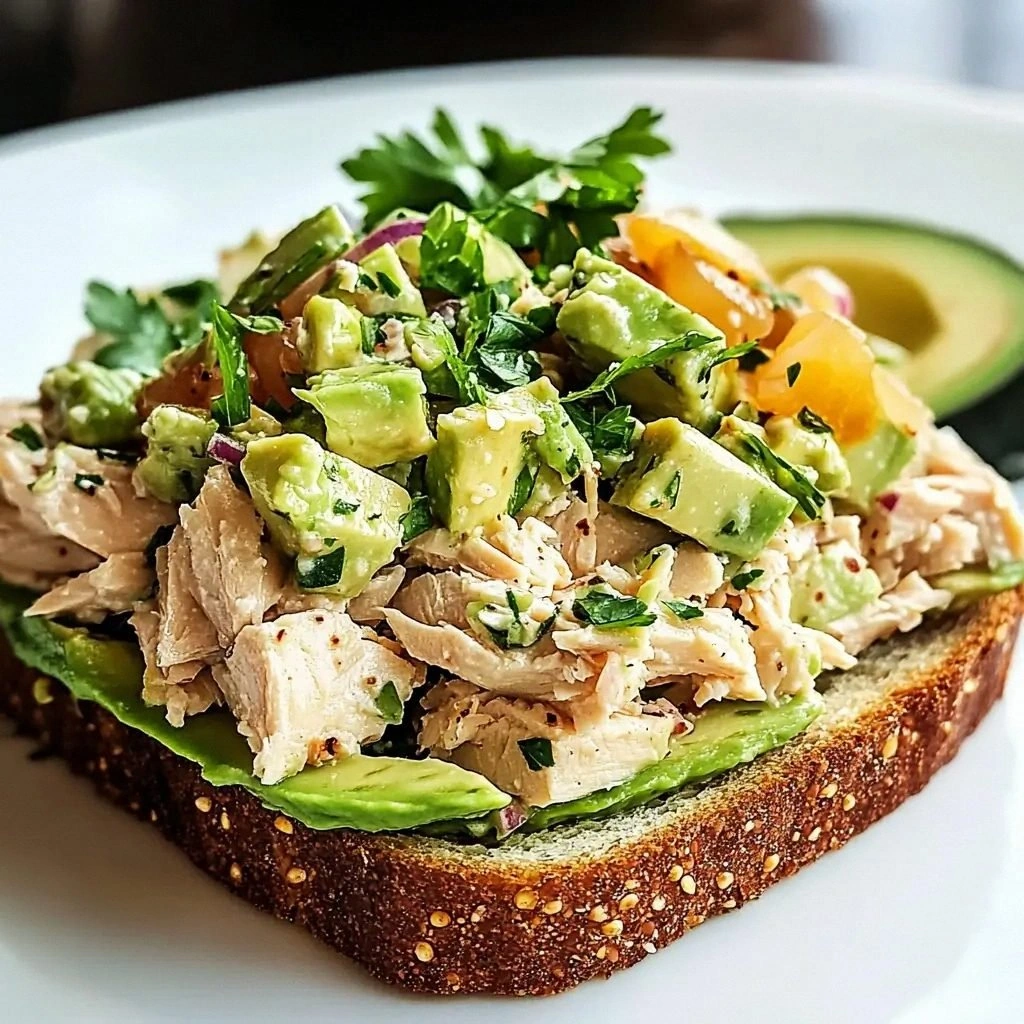
The Method — Step by Step
- Begin by cutting the avocados in half, removing the pits, and scooping the flesh into a large mixing bowl. The avocado should be ripe enough that a gentle pressure yields a slight give but still holds its shape. While you do this, let the tuna drain thoroughly on a paper towel to remove excess liquid, which will keep the salad from becoming watery.
- Dice the red onion finely so that it’s almost translucent. This technique releases the onion’s sharpness without making the salad too pungent. If you’re sensitive to raw onion, you can blanch the diced onion in boiling water for 30 seconds and then rinse it in ice water to mellow the bite.
- Shred the drained tuna with a fork, breaking it into bite‑sized flakes. Gently fold the tuna into the avocado, being careful not to mash the avocado into a puree. The goal is a harmonious mix where the tuna is visible and the avocado remains creamy.
- Add the diced celery, chopped dill, and the finely chopped onion to the bowl. Mix gently, ensuring that the celery’s crunch is distributed evenly throughout the salad. This step is crucial for texture; the celery’s crispness will contrast the smoothness of the avocado.
- In a separate small bowl, whisk together the Greek yogurt, mayonnaise, Dijon mustard, fresh lemon juice, and a splash of olive oil. The dressing should be smooth and slightly thick. The lemon juice’s acidity will brighten the entire dish, making each bite feel fresh.
- Pour the dressing over the salad and fold everything together until the mixture is evenly coated. The dressing should cling to the avocado and tuna, creating a creamy, cohesive texture. If the salad looks dry, add a teaspoon of water or more lemon juice to loosen it.
- Season the salad with salt and pepper to taste. Sprinkle the salt gradually, tasting after each addition, to avoid over‑salting. The pepper should be freshly ground to add a subtle heat that balances the creamy components.
- Taste the salad and adjust the seasoning if necessary. If you prefer a tangier profile, add an extra splash of lemon juice. If you want more creaminess, stir in a tablespoon of extra mayonnaise or Greek yogurt.
- Once satisfied, cover the bowl with plastic wrap and refrigerate for at least 15 minutes. This resting period allows the flavors to meld, and the avocado’s texture will firm up slightly, preventing it from turning mushy when you serve.
- Serve chilled, either on its own, over a bed of mixed greens, or stuffed inside a toasted pita. Garnish with a sprinkle of fresh dill or a few capers for an extra burst of flavor. Enjoy the creamy, crunchy, and tangy symphony that is this avocado tuna salad.
Insider Tricks for Flawless Results
The Temperature Rule Nobody Follows
Many people assume that a salad should be served at room temperature, but for avocado tuna salad, a chilled bowl is essential. Keeping the salad in the refrigerator not only enhances the flavors but also helps the avocado maintain its creamy consistency. If you’re serving the salad at a picnic, keep it in a cooler with ice packs so it stays cold for hours. I’ve found that the salad tastes richer when it’s slightly chilled, almost like a cool breeze on a hot day.
Why Your Nose Knows Best
The first hint that your salad is ready is the aroma. A bright, citrusy scent that mingles with the subtle scent of fresh dill signals that the lemon juice has worked its magic. If you notice a faint fishy odor, it’s a sign the tuna is too fresh or hasn’t been properly drained. Trust your nose, and you’ll avoid a salad that feels off.
The 5‑Minute Rest That Changes Everything
After you finish folding the dressing into the salad, let it sit for exactly five minutes before tasting. This short rest allows the flavors to mingle, and the avocado’s texture will set to a perfect creaminess. I’ve seen people taste immediately and think it’s too bland, but the rest period brings out the depth of the lemon and the richness of the yogurt.
Don’t Skimp on the Dill
Fresh dill isn’t just a garnish; it’s a flavor anchor that balances the richness of the avocado and the saltiness of the tuna. If you’re out of dill, a pinch of dried dill can work, but fresh is best. I’ve had friends say the salad tasted “flat” when they omitted dill, so don’t skip it. The herb’s bright, slightly piney taste gives the salad a refreshing lift.
Use the Right Can of Tuna
Tuna in water is my go‑to because it keeps the dish light and lets the avocado shine. However, if you prefer a richer taste, tuna packed in olive oil can add a subtle depth. Just be aware that the extra oil will make the dressing thicker, so you may need to thin it with a splash of water or lemon juice. The key is to keep the tuna’s texture intact; over‑mixing can make it mushy.
Creative Twists and Variations
Avocado Tuna Wrap
Spread the salad onto a large whole‑wheat tortilla, roll it up, and slice into pinwheels. The tortilla adds a chewy bite that complements the creamy filling, making it perfect for a lunch on the go. Sprinkle a little feta cheese for a tangy twist.
Crunchy Citrus Avocado Tuna
Add a handful of chopped mango or diced orange for a sweet citrus burst. The fruit’s juiciness will contrast the creamy avocado and bring a tropical vibe to the dish. It’s a hit with those who love a sweet‑savory combo.
Spicy Sriracha Tuna
Stir in a teaspoon of Sriracha or your favorite hot sauce. The heat will cut through the richness, giving the salad an exciting kick. Pair it with a side of cucumber slices for a cooling counterpoint.
Herb‑Infused Tuna
Replace the dill with a mix of fresh basil, cilantro, and parsley. This herb medley will give the salad a Mediterranean feel. The aromatic herbs will brighten the dish, making it feel fresh and lively.
Low‑Calorie Version
Swap the Greek yogurt and mayonnaise for a small amount of low‑fat sour cream and a splash of non‑fat milk. This reduces the calorie count while still maintaining a creamy texture. It’s ideal for those watching their macros but still craving a decadent salad.
Vegan Tuna Alternative
Use chickpeas or lentils instead of tuna for a plant‑based protein punch. Season them with smoked paprika and a dash of nutritional yeast to mimic the savory depth of tuna. The avocado’s creaminess will keep the dish satisfying.
Storing and Bringing It Back to Life
Fridge Storage
Store the salad in an airtight container for up to 24 hours in the refrigerator. The dressing will keep the avocado from oxidizing, preventing browning. When ready to serve, give it a quick stir to re‑coat the ingredients evenly.
Freezer Friendly
If you need to store the salad for longer, keep the avocado separate from the dressing. Freeze the tuna mixture in a freezer‑safe container for up to 2 weeks. When you’re ready to enjoy it, thaw the tuna in the refrigerator and then combine with fresh avocado and dressing.
Best Reheating Method
Reheating isn’t necessary because the salad is best served cold. However, if you prefer a warm version, place the salad in a skillet over low heat, stirring gently, until it’s warmed through. Add a splash of water to keep it from drying out.