Love this? Pin it for later! 📌
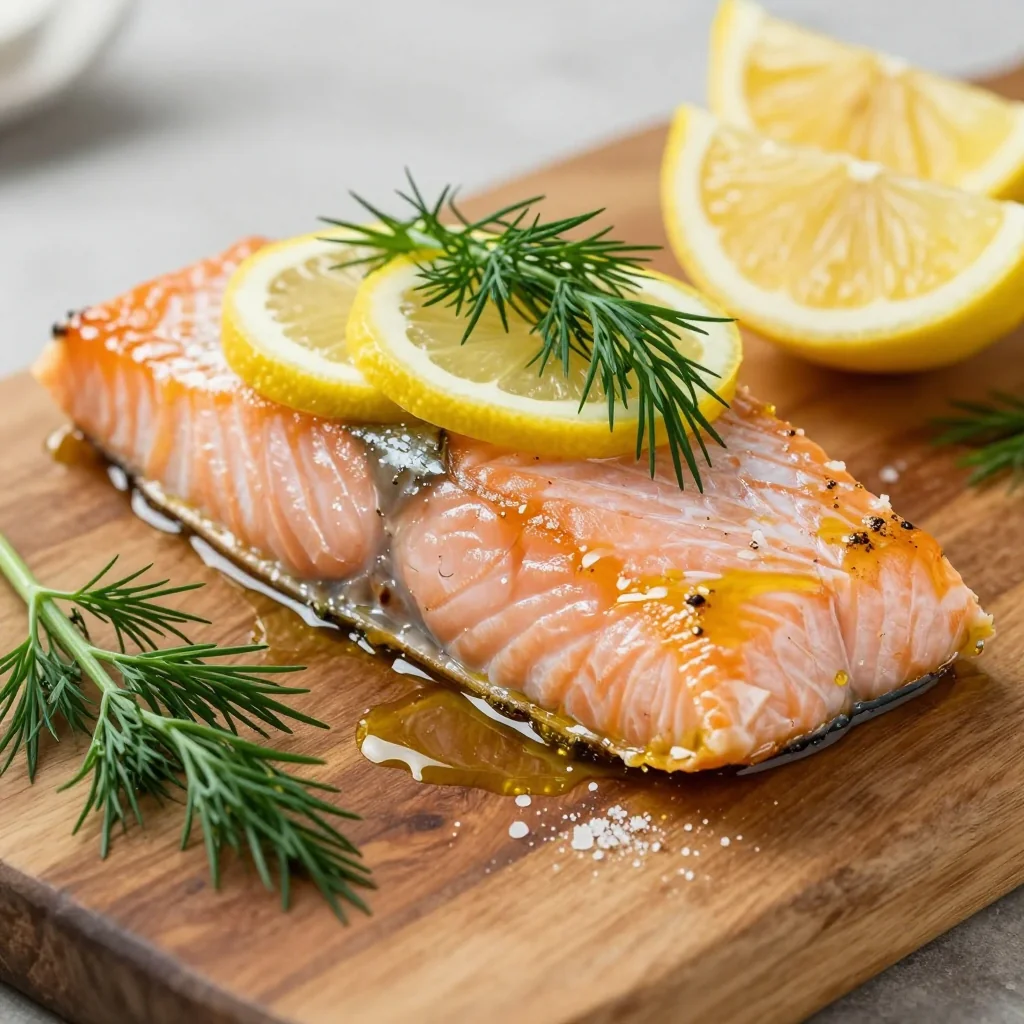
There's something magical about the way lemon and dill dance together atop a perfectly baked salmon fillet. This recipe has been my go-to for everything from intimate dinner parties to hectic weeknight meals when I need something nourishing on the table in under 30 minutes. The first time I served this to my in-laws, my mother-in-law actually asked for the recipe—a moment I'll treasure forever!
What makes this dish extraordinary isn't just its restaurant-quality flavor profile or its impressive presentation. It's the way the bright citrus notes cut through the rich salmon, while the dill adds an herby sophistication that elevates the entire meal. Whether you're cooking for date night, meal prepping for the week ahead, or looking to impress guests without spending hours in the kitchen, this baked salmon delivers every single time.
Why This Recipe Works
- Perfectly Balanced Flavors: The combination of lemon's acidity with dill's grassy notes creates a harmonious topping that enhances rather than masks the salmon's natural richness.
- Foolproof Technique: The gentle baking method ensures your salmon stays moist and tender, never dry or overcooked, even if you're a kitchen novice.
- 15-Minute Miracle: From fridge to table in under 15 minutes, making it perfect for busy weeknights when you want something healthy and satisfying.
- Restaurant-Quality Results: The lemon-dill topping creates a beautiful crust that looks like it came from a fancy restaurant, but requires minimal effort.
- Incredibly Versatile: Pairs beautifully with everything from simple roasted vegetables to elegant risottos, making it suitable for any occasion.
- Meal Prep Champion: Cooks beautifully in batches, stores well, and can be enjoyed cold in salads or reheated gently without losing its appeal.
- Nutrition Powerhouse: Packed with omega-3 fatty acids, high-quality protein, and fresh herbs that provide antioxidants and vitamins.
Ingredients You'll Need
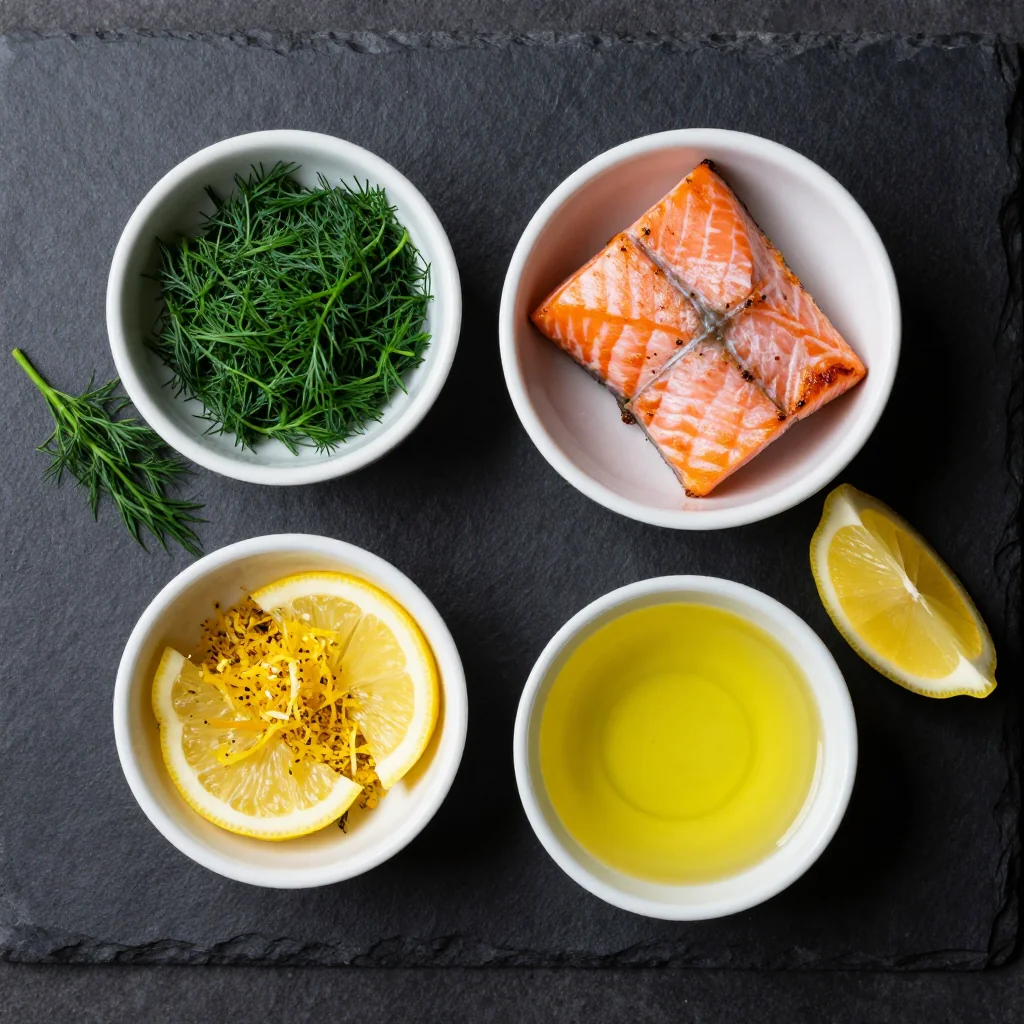
The beauty of this recipe lies in its simplicity—just a handful of fresh, quality ingredients that work together to create something truly special. Here's what you'll need and why each ingredient matters:
For the Salmon:
Salmon Fillets (4 portions, 6-8 oz each): Look for center-cut fillets that are about 1-inch thick for even cooking. Wild-caught salmon offers superior flavor and texture, though farm-raised works well too. The skin-on variety helps keep the fish moist during baking and provides a delicious crispy texture when seared properly.
Olive Oil (2 tablespoons): A good quality extra virgin olive oil adds richness and helps the seasoning adhere to the fish. The fruity notes complement both the salmon and the lemon-dill topping beautifully.
Sea Salt and Black Pepper: Freshly ground black pepper and flaky sea salt enhance the salmon's natural flavors without overwhelming the delicate fish.
For the Lemon-Dill Topping:
Fresh Dill (¼ cup, chopped): Fresh dill is non-negotiable here—it has a bright, slightly tangy flavor that dried dill simply cannot replicate. Look for vibrant green fronds without any yellowing or wilting.
Lemon Zest and Juice (1 large lemon): The zest provides intense lemon oil flavor while the juice adds brightness and helps create a beautiful crust. Organic lemons are best since you'll be using the zest.
Garlic (2 cloves, minced): Fresh garlic adds depth and complexity to the topping. Don't use garlic powder—it won't provide the same aromatic quality.
Unsalted Butter (3 tablespoons, softened): Creates a rich, luxurious topping that melts into the salmon, keeping it incredibly moist and flavorful.
How to Make Baked Salmon with a Lemon and Dill Topping
Prepare Your Ingredients and Preheat
Remove salmon from refrigerator 15 minutes before cooking to bring it to room temperature—this ensures even cooking. Pat fillets completely dry with paper towels; moisture is the enemy of good searing. Preheat your oven to 400°F (204°C). Line a baking sheet with parchment paper or foil for easy cleanup. While the oven heats, prepare your lemon-dill topping.
Create the Lemon-Dill Topping
In a small bowl, combine the softened butter, lemon zest, lemon juice, minced garlic, chopped dill, and a pinch of salt and pepper. Mix thoroughly with a fork until well combined but still slightly textured. The mixture should be spreadable but not runny. If your kitchen is warm and the butter gets too soft, refrigerate for 5-10 minutes to firm up slightly.
Season the Salmon
Brush salmon fillets with olive oil on both sides, ensuring complete coverage. Season generously with salt and pepper, about ¾ teaspoon salt and ½ teaspoon pepper per fillet. Don't be shy with seasoning—the salmon can handle it, and proper seasoning is crucial for bringing out its best flavor.
Apply the Topping
Divide the lemon-dill mixture evenly among the salmon fillets, spreading it across the top of each piece. Use the back of a spoon to create an even layer about ¼-inch thick, ensuring it reaches the edges but doesn't spill over onto the baking sheet. The topping should completely cover the top surface of the salmon.
Bake to Perfection
Place the baking sheet in the preheated oven and bake for 12-15 minutes, depending on thickness. The salmon is done when it flakes easily with a fork but is still slightly translucent in the center. An instant-read thermometer inserted into the thickest part should read 125-130°F for medium-rare or 135°F for medium. Remember, the salmon will continue cooking from residual heat after removal from the oven.
Rest and Serve
Remove from oven and let rest for 5 minutes—this allows the juices to redistribute throughout the fish. During this time, the topping will set slightly and develop a beautiful golden color. Serve immediately while warm, garnished with additional fresh dill and lemon wedges if desired.
Expert Tips
Temperature is Key
Invest in an instant-read thermometer for foolproof results every time. Salmon continues cooking from residual heat, so remove it from the oven when it's 5-10°F below your target temperature. Let it rest for 5 minutes before serving.
The Pat-Down Method
Always pat your salmon completely dry before seasoning. This simple step ensures proper adhesion of seasonings and helps create a beautiful texture on the fish's surface. Use paper towels and press firmly but gently.
Room Temperature Rule
Never cook cold salmon straight from the refrigerator. Let it sit at room temperature for 15-20 minutes before cooking. This prevents the outside from overcooking while the inside remains undercooked.
Fresh Herb Power
Fresh herbs make all the difference. If you must substitute dried dill, use only 1 tablespoon and add it to the butter mixture 30 minutes before using to allow flavors to meld. Fresh parsley can supplement if dill is scarce.
Butter Temperature Matters
Your butter should be softened but not melted. If it's too warm, the topping will slide off the salmon. Too cold, and it won't spread evenly. Aim for room temperature—soft enough to leave an indentation when pressed.
Don't Overcrowd
Give each salmon fillet space on the baking sheet. Overcrowding creates steam, which prevents proper cooking and can make the topping soggy. If necessary, use two baking sheets rather than cramming everything together.
Variations to Try
Mediterranean Style
Add 2 tablespoons of chopped kalamata olives and 1 teaspoon of dried oregano to the butter mixture. Top with crumbled feta cheese during the last 2 minutes of baking. Serve with a side of roasted cherry tomatoes and orzo.
Asian-Inspired
Replace the dill with 2 tablespoons each of chopped cilantro and Thai basil. Add 1 tablespoon of grated ginger and 1 teaspoon of soy sauce to the butter mixture. Finish with a drizzle of sesame oil and sesame seeds.
Spicy Cajun
Add 1 teaspoon of Cajun seasoning and ½ teaspoon of smoked paprika to the butter mixture. Include 1 tablespoon of chopped green onions and a dash of hot sauce. The spicy kick pairs beautifully with the rich salmon.
Herb Garden Blend
Use a mixture of fresh herbs: 2 tablespoons each of dill, parsley, and chives. Add 1 tablespoon of lemon thyme for extra citrusy notes. This creates a more complex herb profile that's incredibly fresh and vibrant.
Storage Tips
Refrigeration
Store leftover salmon in an airtight container in the refrigerator for up to 3 days. Place a piece of parchment paper or plastic wrap directly on the surface to prevent the topping from drying out. For best quality, consume within 2 days.
Freezing
While best enjoyed fresh, you can freeze cooked salmon for up to 2 months. Wrap individual portions tightly in plastic wrap, then aluminum foil. Thaw overnight in the refrigerator and reheat gently at 275°F until just warmed through.
Reheating
Reheat gently to avoid overcooking. Place salmon in a 275°F oven for 8-10 minutes, or until just warmed through. Alternatively, microwave at 50% power in 30-second intervals. The topping may lose some vibrancy but the flavor remains excellent.
Make-Ahead Components
The lemon-dill topping can be prepared up to 3 days ahead and stored covered in the refrigerator. Bring to room temperature before using. You can also prep individual salmon portions with seasoning, wrap in plastic, and refrigerate for up to 24 hours before cooking.
Frequently Asked Questions
Absolutely! Thaw frozen salmon completely in the refrigerator overnight, then pat very dry before proceeding with the recipe. Frozen salmon may release more moisture, so be extra thorough with the paper towel drying step. The cooking time might increase by 2-3 minutes.
While dill is traditional, you can substitute with fresh parsley, tarragon, or cilantro. Each herb will create a different but equally delicious flavor profile. Tarragon pairs particularly well with salmon, offering a slight anise note that complements the fish beautifully.
The most reliable method is using an instant-read thermometer—salmon is perfectly cooked at 125-130°F for medium-rare or 135°F for medium. Visually, it should flake easily with a fork but still be slightly translucent in the center. It will continue cooking from residual heat after removal from the oven.
Yes! Replace the butter with 3 tablespoons of olive oil or coconut oil for a dairy-free version. The texture will be slightly different, but the flavors will still be wonderful. You can also use a plant-based butter substitute if you prefer.
This salmon pairs beautifully with roasted asparagus, garlic butter green beans, or a simple arugula salad. For something heartier, try lemon herb quinoa, wild rice pilaf, or roasted baby potatoes. The key is keeping sides simple to let the salmon shine.
Absolutely! This recipe scales beautifully for entertaining. Use multiple baking sheets to avoid overcrowding, and rotate sheets halfway through cooking if using more than one oven rack. The topping can be doubled or tripled easily—just maintain the same proportions.
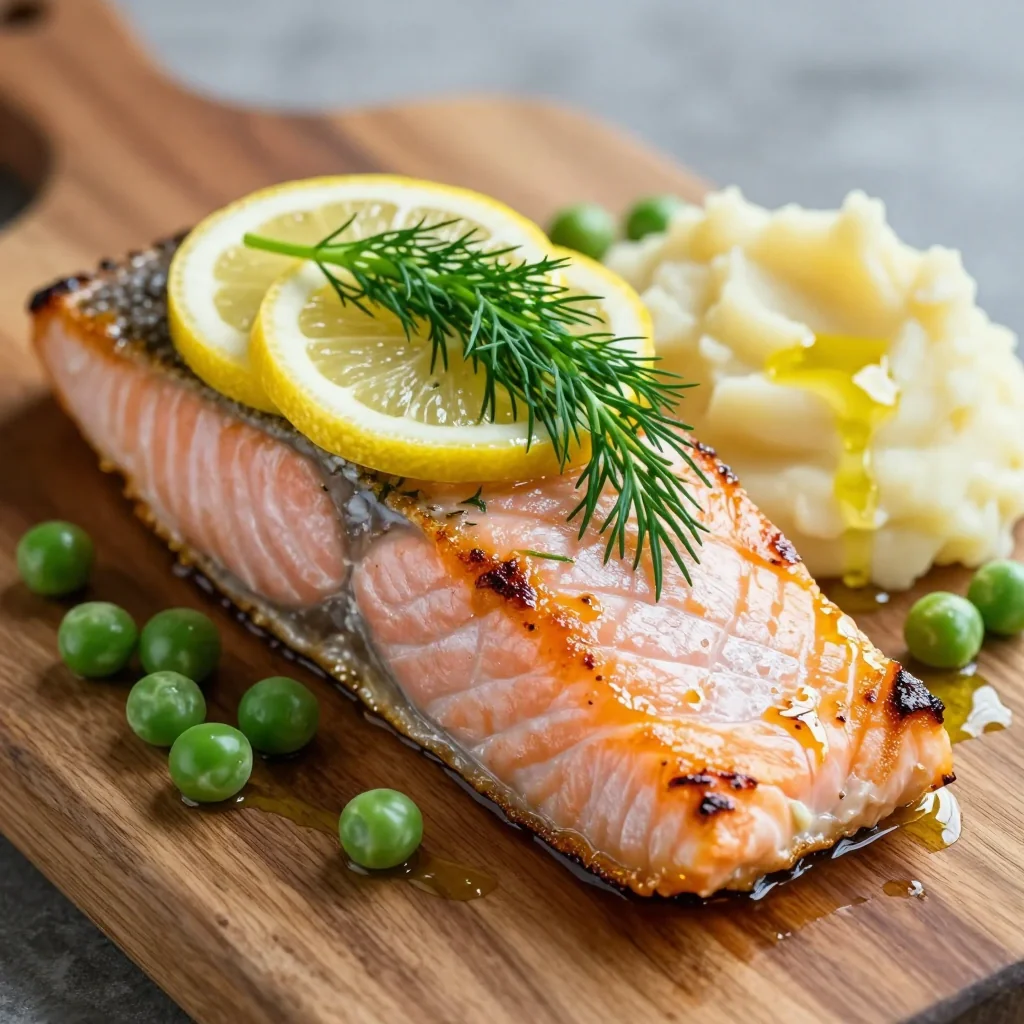
Baked Salmon with a Lemon and Dill Topping
Ingredients
Instructions
- Prepare and Preheat: Remove salmon from refrigerator 15 minutes before cooking. Preheat oven to 400°F (204°C). Line baking sheet with parchment paper.
- Make the Topping: In small bowl, combine softened butter, lemon zest, lemon juice, dill, garlic, and pinch of salt and pepper. Mix until well combined.
- Season Salmon: Pat salmon completely dry with paper towels. Brush with olive oil and season with salt and pepper on both sides.
- Apply Topping: Divide butter mixture evenly among salmon fillets, spreading across tops in even layer.
- Bake: Bake 12-15 minutes until salmon flakes easily but is still slightly translucent in center (125-130°F for medium-rare).
- Rest and Serve: Let rest 5 minutes before serving. Garnish with lemon wedges and fresh dill sprigs.
Recipe Notes
For best results, use an instant-read thermometer to check doneness. Salmon continues cooking from residual heat after removal from oven. Wild-caught salmon offers superior flavor but farm-raised works well too.