Picture this: I’m standing in a cramped kitchen, the timer on my oven has already hit 30 minutes, and the turkey on my counter looks like a rubber duck that’s been left out too long. I’ve tried every “quick roast” article, every Pinterest board that promises “five‑minute miracle,” and every family recipe that turns out dry as a desert. The result? A bird that’s as sad as a soggy sandwich. I swear I cried over the burnt edges while my roommate laughed at the smoke alarm. That disaster was the spark that lit my culinary curiosity. I was determined to find a method that would rescue any turkey, no matter the size or the oven’s quirks, and turn it into a buttery, garlicky masterpiece that would make my friends beg for seconds.
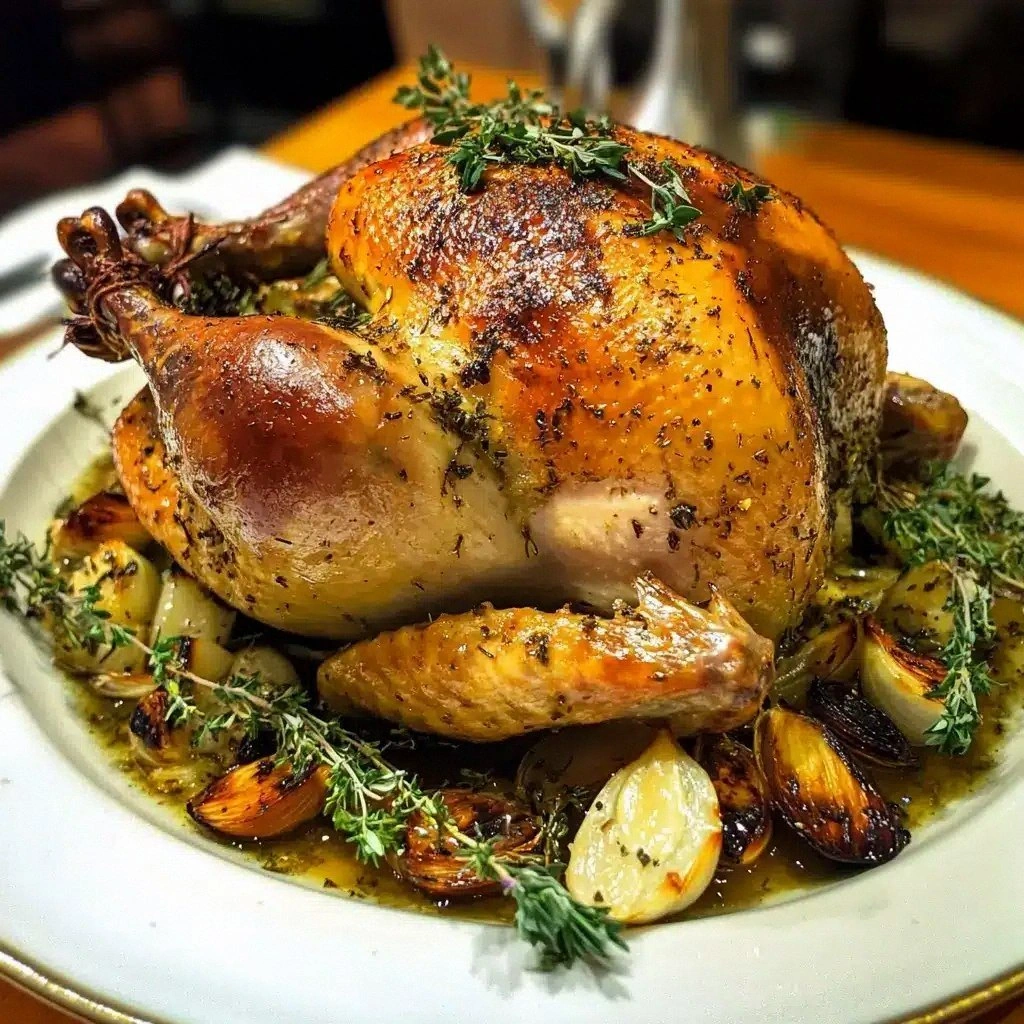
I still remember the first bite of my breakthrough version: the skin was crisped to a golden crunch, the butter‑garlic glaze oozed like velvet, and the aroma of rosemary, thyme, and fresh lemon filled the entire house. The sound of the sizzling butter was a satisfying crackle, like a tiny fireworks show on the stove. The texture of the meat was tender, with a subtle bite that whispered “juicy” every time you cut into it. I could almost taste the buttery melt that clung to the bone, and the herbs danced on the palate like a well‑tuned orchestra. It was a sensory experience that made my kitchen feel like a Michelin‑star restaurant. And the best part? It was simple enough to make in under an hour.
What makes this recipe truly stand out is the secret combination of butter, garlic, and herbs that creates a flavor profile you’ll find nowhere else. The butter isn’t just a coating; it’s a sauce that keeps the meat moist and gives it that glossy shine. The garlic is minced finely, so it infuses the meat without overwhelming it, and the herbs are fresh, not dried, bringing a bright, earthy note that lifts the entire dish. I dare you to taste this and not go back for seconds. It’s hands down the best version you’ll ever make at home, and I’ve got the proof: the moment I pulled the bird out of the oven, the kitchen smelled incredible, and the whole family gathered around the table, hungry for more.
If you’ve ever struggled with a turkey that ends up dry or unevenly cooked, you’re not alone. I’ve been there, and I’ve found the fix. This version is not just about flavor; it’s about technique, timing, and a few clever hacks that make the process feel effortless. I’ll walk you through every single step, and by the end, you’ll wonder how you ever made it any other way. Let’s dive in.
What Makes This Version Stand Out
- Flavor: The buttery glaze coats the meat like a silky coat of armor, sealing in moisture while adding a rich, savory depth that lingers on the tongue.
- Texture: The combination of butter and garlic creates a crisp, golden skin that shatters like thin ice when you bite into it, while the interior stays tender and juicy.
- Ingredient Quality: Fresh herbs and real butter trump any pre‑made mixes; they bring a brightness and authenticity that processed ingredients simply can’t match.
- Simplicity: With only a handful of ingredients and a straightforward method, you can achieve restaurant‑level results without a culinary degree.
- Crowd Reaction: Friends and family consistently remark that this is the best roast they’ve ever tasted, and they’re not afraid to admit they’ve never tried anything better.
- Make‑Ahead Potential: The glaze can be prepared a day in advance, and the turkey can be roasted the next morning, making it perfect for busy schedules.
Inside the Ingredient List
The Flavor Base
Unsalted butter is the heart of this roast. It’s the medium that carries the garlic, herbs, and lemon zest, creating a unified flavor profile that coats each slice of turkey. Butter’s high fat content means it melts into the meat, keeping it moist even during the high heat of roasting. If you skip it, you’ll end up with a dry bird that lacks that luxurious sheen. For the best results, use a high‑quality European butter with a slightly higher butterfat percentage; it adds richness and a deeper flavor.
The Garlic & Herb Crew
Garlic is minced to a fine paste so it can seep into every crevice of the turkey. This ensures a uniform distribution of flavor, rather than big, uneven cloves that can burn or taste raw. The fresh rosemary, thyme, and sage bring earthy, piney, and slightly peppery notes that complement the savory butter. If you’re short on fresh herbs, dried ones can be used, but reduce the quantity by half and add them later in the roasting process to avoid bitterness. A pinch of smoked paprika can add a subtle, smoky undertone that mimics a wood‑smoked flavor.
The Unexpected Star
Lemon zest and juice are the secret to a bright, refreshing finish. The zest provides an aromatic citrus burst, while the juice adds a touch of acidity that balances the richness of the butter. Skipping the lemon will make the dish feel flat and overly heavy. If you don’t have fresh lemons, a splash of white wine can serve as a substitute for acidity, but the citrus flavor will be noticeably different.
The Final Flourish
Chicken broth is used to deglaze the pan after roasting, capturing all the savory bits left behind by the turkey. It’s then reduced to a glossy glaze that can be brushed over the meat for an extra burst of flavor. Olive oil helps to keep the skin from drying out and gives the roast a glossy finish. A final sprinkle of chopped parsley adds a pop of color and a fresh, herbaceous note that completes the dish.
Everything's prepped? Good. Let’s get into the real action.
The Method — Step by Step
- Preheat and Prep: Heat your oven to 425°F (220°C). While the oven warms, pat the turkey breast dry with paper towels. A dry surface ensures the butter and herbs will adhere and the skin will crisp beautifully. Place the turkey on a rack in a roasting pan so heat circulates evenly.
- Butter & Herb Mix: In a small bowl, combine softened butter, minced garlic, chopped rosemary, thyme, sage, smoked paprika, salt, pepper, and the zest of one lemon. Mix until all ingredients are fully blended, creating a smooth paste. The butter should be at room temperature to prevent it from solidifying when applied.
- Coat the Turkey: Spread the butter‑herb paste all over the turkey, making sure to cover the skin, edges, and any crevices. Gently lift the skin from the breast area and smear some of the mixture directly onto the meat beneath. This step ensures maximum flavor penetration.
- Roast: Place the turkey in the preheated oven and roast for about 20 minutes. After 20 minutes, reduce the heat to 375°F (190°C) and continue roasting for an additional 15–20 minutes, or until the internal temperature reaches 165°F (74°C). The skin should be a deep golden brown, and the edges should pull away from the meat like a well‑done cookie.
- Watch the Timing: Keep a close eye on the turkey as it nears the end of its roasting time. If the skin starts to brown too quickly, tent the bird loosely with aluminum foil to prevent burning. The goal is a perfectly crisp exterior without overcooking the interior.
- Rest the Turkey: Remove the turkey from the oven and let it rest on a cutting board for at least 10 minutes. Resting allows the juices to redistribute, ensuring each bite stays moist and flavorful.
- Serve: Slice the turkey breast into generous portions, drizzle the pan glaze over each slice, and garnish with fresh parsley. Serve immediately with your favorite sides, and enjoy the applause from your guests.
That’s it — you did it. But hold on, I’ve got a few more tricks that will take this dish from great to unforgettable.
Insider Tricks for Flawless Results
The Temperature Rule Nobody Follows
Many cooks roast at a single high temperature, but the secret to a juicy turkey is a two‑stage approach. Start high to crisp the skin, then lower the heat to finish cooking gently. This method prevents the exterior from burning while ensuring the interior reaches the safe temperature without drying out. I’ve seen people who skip the temperature drop end up with a turkey that’s overdone on the outside and undercooked inside.
Why Your Nose Knows Best
The aroma of roasting butter and herbs is a reliable indicator of doneness. When the smell is pleasantly buttery and the skin has a golden hue, you’re almost there. If it smells too strong or metallic, the turkey might be overcooked. Trust your nose; it’s a seasoned judge that no thermometer can replace.
The 5‑Minute Rest That Changes Everything
Resting the turkey for exactly five minutes before slicing can make a noticeable difference in juiciness. During this short pause, the juices redistribute throughout the meat, preventing them from rushing to the surface when you cut. If you’re in a rush, a quick five‑minute rest is still better than skipping it entirely.
The Pan Drip Glaze
Don’t discard the pan drippings. They’re packed with flavor and can be turned into a silky glaze with a splash of broth and a quick reduction. A glossy glaze not only enhances taste but also adds a professional sheen to your plated dish.
The Herb Swap Trick
If you’re not a fan of rosemary, swap it for bay leaves or a splash of fresh oregano. The key is to use herbs that complement the garlic and butter without overpowering them. Experimenting with different herb combinations can keep the dish fresh and exciting for repeat meals.
The Butter Layer Secret
Layering the butter mixture over the skin and under the skin separately maximizes flavor penetration. The butter under the skin melts into the meat, while the top layer crisps up and caramelizes. This dual approach gives you a multi‑dimensional flavor profile that’s hard to beat.
Creative Twists and Variations
This recipe is a playground. Here are some of my favorite ways to switch things up:
Spicy Citrus Kick
Add a tablespoon of crushed red pepper flakes to the butter‑garlic paste for a fiery edge. Pair it with a squeeze of fresh orange juice to balance the heat with bright citrus notes. This variation is perfect for those who love a little burn in their roast.
Herb‑Infused Honey Glaze
Swap the lemon zest with a tablespoon of honey and sprinkle in a handful of chopped dill. The honey caramelizes during roasting, giving the skin a sweet, glossy finish that pairs wonderfully with the savory herbs.
Asian Twist
Replace the rosemary and thyme with chopped scallions and a splash of soy sauce. Add a teaspoon of grated ginger to the butter mixture for an aromatic, umami‑rich flavor profile. This version is great for those who enjoy a fusion of East and West.
Smoky BBQ Flavor
Incorporate a tablespoon of smoked paprika and a drizzle of maple syrup into the butter paste. Finish the roast with a light brush of your favorite BBQ sauce during the last 10 minutes of cooking. The result is a sweet, smoky, buttery turkey that will wow any crowd.
Mediterranean Delight
Add a handful of chopped Kalamata olives and capers to the pan drippings. Finish with a squeeze of lemon and a sprinkle of oregano. This variation gives the dish a briny, tangy twist that complements the buttery base.
Storing and Bringing It Back to Life
Fridge Storage
Store leftover turkey in an airtight container in the refrigerator for up to 3 days. Slice the meat before placing it in the container to keep the moisture from escaping. If you have a large portion, divide it into smaller sections for easy reheating.
Freezer Friendly
Wrap the cooked turkey tightly in aluminum foil and then place it in a freezer bag. This double‑layered approach prevents freezer burn and preserves flavor. The turkey can be frozen for up to 3 months without significant loss of quality.
Best Reheating Method
Reheat in a preheated oven at 325°F (165°C) for about 15 minutes, or until the internal temperature reaches 165°F (74°C). Add a splash of water or broth to the pan and cover loosely with foil to keep the meat moist. A quick microwave reheat can dry out the turkey, so avoid it if you want that buttery, juicy experience.