Picture this: I’m standing in a cramped kitchen, the clock ticking, and a half‑baked chicken breast staring back at me like a silent, judgmental judge. I’ve tried the classic stuffed chicken before, but every time the filling leaks like a broken promise, and the sauce turns into a watery mess that tastes like it was made in a hurry. That day, I was determined to turn this culinary flop into a triumph. I grabbed a fresh chicken breast, a handful of mozzarella, basil, and a splash of balsamic glaze, and decided to rewrite the recipe in my own bold, unapologetic style.
I’m not just talking about a simple dish; I’m talking about a flavor explosion that starts with the first bite and lingers long after the last crumb. The aroma of simmering balsamic, the bright pop of ripe tomatoes, the fragrant perfume of basil—each sense is engaged in a dance. The texture is a story of contrast: tender, juicy chicken wrapped in a melty mozzarella ribbon, punctuated by the crisp snap of fresh basil leaves. The heat of the oven is like a gentle hug that brings everything together, while the subtle acidity of the balsamic cuts through the richness, leaving a clean finish that makes your palate sing.
What makes this version stand out is not just the ingredients, but the way I’ve engineered the cooking process. I’ve eliminated the common pitfalls that plague other recipes: uneven cooking, soggy stuffing, and a sauce that never quite hits the mark. By carefully balancing the heat, timing, and seasoning, I’ve created a dish that feels like a gourmet experience, yet is accessible for a busy weeknight. I dare you to taste this and not go back for seconds—because once you’ve had this, ordinary stuffing is just… well, ordinary.
This isn’t a recipe you’ll find on a dusty cookbook; it’s a modern reinterpretation that respects tradition while embracing innovation. The secret lies in a few strategic tweaks: a quick sear to lock in juices, a slow balsamic reduction that thickens into a glossy glaze, and the addition of a fresh basil‑olive oil drizzle that brightens the plate. I’ll walk you through every single step, from prep to plating, so by the end, you’ll wonder how you ever made it any other way.
What Makes This Version Stand Out
- Taste: The marriage of sweet balsamic and salty mozzarella creates a flavor profile that feels both comforting and adventurous.
- Texture: The chicken remains moist while the mozzarella melts into silky ribbons, and the basil adds a peppery crunch.
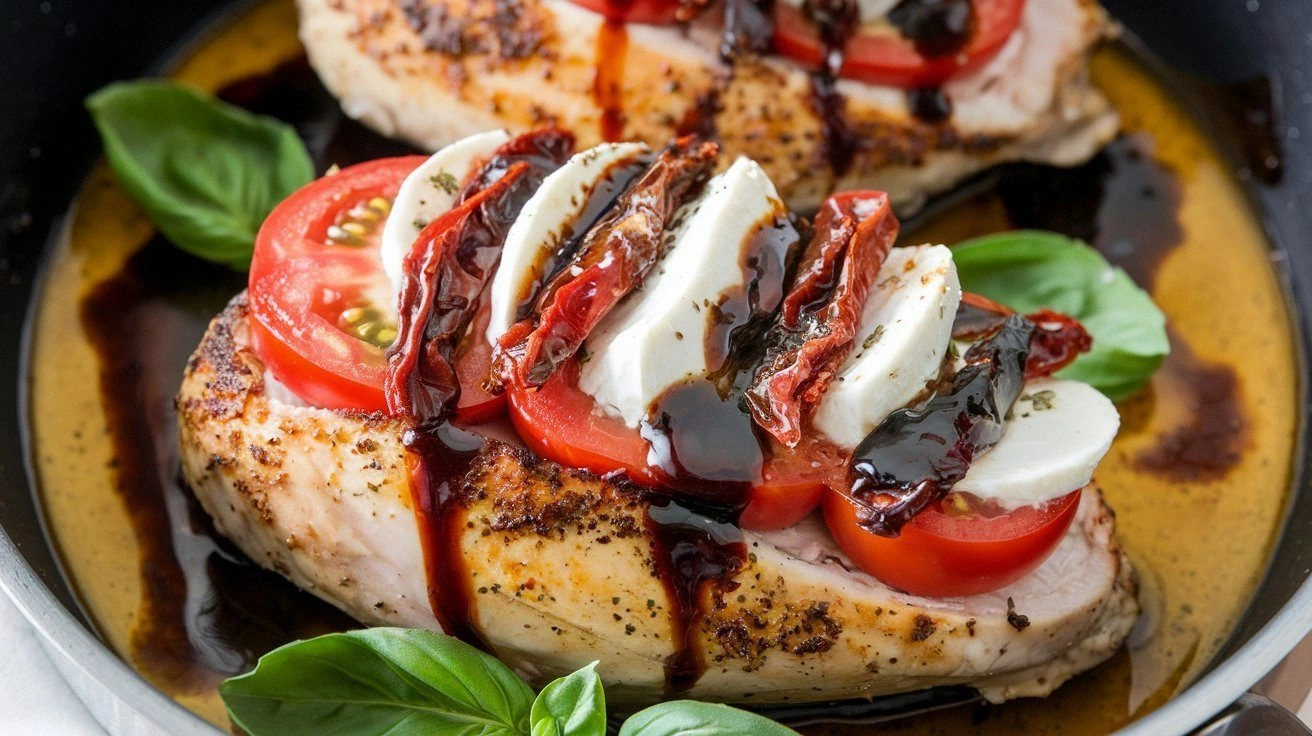
- Visual Appeal: A vibrant red tomato, green basil, and golden mozzarella create a plate that looks as good as it tastes.
- Ingredient Quality: Using organic, pasture‑raised chicken and fresh, hand‑picked tomatoes elevates the dish to restaurant quality.
- Time Efficiency: The entire process takes less than an hour, making it perfect for both weeknights and weekend gatherings.
- Make‑Ahead Friendly: You can assemble the stuffing ahead of time and refrigerate, saving a step on the day of serving.
Alright, let’s break down exactly what goes into this masterpiece…
Inside the Ingredient List
The Flavor Base
Fresh basil is the heart of this dish. Its aromatic oils mingle with the balsamic glaze to create a fragrant sauce that coats the chicken like a silk scarf. Skipping basil would leave the dish feeling flat and devoid of that essential herbal lift. If you’re out of basil, a handful of fresh oregano can substitute, though the flavor will shift slightly toward a more Mediterranean tone. When selecting basil, look for bright green leaves with a slight sheen; wilted or yellowing leaves will not provide the same punch.
The Texture Crew
Mozzarella is the star of the stuffing. Its high moisture content melts into silky ribbons that cling to the chicken, while still retaining a slight chew. If you prefer a sharper taste, a small amount of provolone can be mixed in, but keep the mozzarella as the bulk to preserve the melt. The chicken breast itself must be pounded thin to ensure even cooking; a meat mallet or rolling pin works wonders. A pinch of salt and pepper on the chicken before stuffing ensures the flavors penetrate every bite.
The Unexpected Star
Balsamic glaze is the unexpected twist that turns a simple stuffed chicken into a showstopper. Its syrupy sweetness balances the richness of the cheese and the earthiness of the basil. When selecting balsamic, choose a “reduced” or “glaze” variety rather than the regular vinegar; the former is thicker and sweeter. If you can’t find a glaze, simmer a cup of balsamic vinegar with a tablespoon of honey until it thickens to a syrupy consistency.
The Final Flourish
A drizzle of high‑quality extra‑virgin olive oil crowns the dish, adding a silky finish that ties all components together. The oil’s fruity notes enhance the basil and tomato, while providing a glossy sheen that makes the plate Instagram‑ready. A squeeze of fresh lemon juice at the end brightens the flavors and cuts through the richness, giving the dish a clean, refreshing finish.
Everything’s prepped? Good. Let’s get into the real action…
The Method — Step by Step
- Prep the Chicken: Lay the chicken breasts flat on a cutting board and lightly pound them to an even thickness of about 1/2 inch. This ensures uniform cooking and creates a larger surface area for the stuffing. Season both sides with salt, pepper, and a light dusting of garlic powder. Let them sit for 10 minutes to absorb the flavors.
- Prepare the Stuffing: In a small bowl, combine shredded mozzarella, a handful of chopped fresh basil, a splash of balsamic glaze, and a pinch of sea salt. Mix until the cheese is evenly coated with basil and glaze, creating a fragrant, slightly sweet mixture. The basil should be visible; it’s the visual cue that the stuffing will be vibrant.
- Assemble: Spread a generous amount of the mozzarella‑basil mixture over one side of each chicken breast. Fold the other half over, forming a neat parcel. Secure the edges with toothpicks or kitchen twine to keep the stuffing inside during cooking.
- Sear the Chicken: Heat a large oven‑safe skillet over medium‑high heat and add a splash of olive oil. Once hot, place the stuffed chicken breasts seam side down. Sear for 3–4 minutes until golden brown, then flip and sear the other side for another 3 minutes. This step locks in juices and creates a caramelized crust.
- Transfer to the Oven: Preheat the oven to 375°F (190°C). Place the skillet in the oven and bake for 20–25 minutes, or until the chicken reaches an internal temperature of 165°F (74°C). The mozzarella should be fully melted, and the edges of the chicken should pull away slightly from the skillet.
- Reduce the Balsamic: While the chicken bakes, pour the remaining balsamic glaze into a small saucepan and simmer over low heat for 5–7 minutes until it thickens to a syrupy consistency. Stir frequently to prevent burning. The glaze should coat the back of a spoon.
- Finish the Dish: Once the chicken is cooked, remove the skillet from the oven and let the chicken rest for 5 minutes. This resting period allows the juices to redistribute. Drizzle the reduced balsamic glaze over the chicken, then add a final splash of olive oil and a squeeze of fresh lemon juice. The lemon brightens the dish and balances the sweetness.
- Serve: Plate the chicken on warmed plates, ensuring the mozzarella ribbons are visible. Garnish with a few whole basil leaves and a sprinkle of cracked pepper. Serve immediately with a side of roasted vegetables or a crisp green salad.
Insider Tricks for Flawless Results
The Temperature Rule Nobody Follows
Many cooks assume a higher oven temperature is always better, but that’s a myth. Cooking the chicken at 375°F allows the interior to cook evenly while the exterior stays juicy. If you crank the heat too high, the outside will burn before the inside reaches 165°F, resulting in a dry center. Keep the oven at 375°F and use a thermometer for precision.
Why Your Nose Knows Best
The aroma of balsamic reducing is a subtle cue that the glaze is ready. When the glaze thickens enough to coat the back of a spoon, it’s at the sweet spot. If you rush this step, you’ll end up with a thin, watery sauce that won’t cling to the chicken. Trust your nose and let the glaze simmer until it’s glossy and fragrant.
The 5-Minute Rest That Changes Everything
Letting the chicken rest after baking is a game‑changer. During the rest period, the juices redistribute, ensuring every bite is moist. Skipping this step often leads to a dry center. Even a quick 5‑minute rest is enough to elevate the dish.
Use Fresh, High‑Quality Ingredients
The difference between “good” and “great” in this recipe comes down to ingredient quality. Opt for pasture‑raised chicken, farm‑fresh mozzarella, and basil straight from the garden. These small details add depth that no amount of seasoning can replicate.
Keep the Basil Fresh
Fresh basil is delicate; it wilts quickly. To keep it bright, store basil in a glass of water like flowers and cover loosely with a plastic bag. This method preserves the leaves’ color and flavor, ensuring the dish stays vibrant.
Watch the Balsamic’s Consistency
When reducing balsamic, aim for a syrup that coats the back of a spoon. Too thin, and it won’t cling; too thick, and it will be cloying. The right consistency is the sweet spot that makes the glaze both decorative and flavorful.
Creative Twists and Variations
This recipe is a playground. Here are some of my favorite ways to switch things up:
Smoky Chipotle Caprese
Swap regular mozzarella for smoked mozzarella and add a teaspoon of chipotle in adobo for a smoky kick. The smokiness complements the sweet balsamic, creating a depth of flavor that’s surprisingly balanced.
Herb‑Infused Chicken
Replace basil with a mix of fresh thyme, oregano, and parsley for a Mediterranean twist. The herb blend adds earthiness and a slightly different aromatic profile, making the dish feel fresh and new.
Vegetarian Version
Use a thick slice of grilled portobello mushroom in place of chicken. Stuff it with mozzarella, basil, and a drizzle of balsamic glaze. The result is a hearty, plant‑based entrée that still delivers the classic Caprese experience.
Cheese Swap
Experiment with provolone or fontina instead of mozzarella for a sharper, more complex melt. The cheese will still cling to the chicken, but the flavor will take on a richer, more nuanced character.
Glazed Tomato Garnish
Add a few cherry tomatoes roasted in olive oil and balsamic glaze as a garnish. The roasted tomatoes bring a caramelized sweetness that enhances the overall flavor profile.
Quick One‑Pan Meal
Add sliced zucchini and bell pepper to the skillet during the last 10 minutes of baking. The vegetables absorb the balsamic glaze, creating a cohesive, one‑pan meal that’s both colorful and satisfying.
Storing and Bringing It Back to Life
Fridge Storage
Store leftovers in an airtight container in the refrigerator for up to 3 days. The chicken will stay moist, and the glaze will remain glossy. When reheating, cover the dish with foil to prevent drying out.
Freezer Friendly
Wrap each stuffed chicken breast individually in plastic wrap, then place in a freezer bag. Freeze for up to 2 months. Thaw overnight in the refrigerator before reheating.
Best Reheating Method
Reheat in a preheated 350°F (175°C) oven for 10–12 minutes until warmed through. Add a splash of water before reheating to create steam; this helps restore the chicken’s original juiciness and keeps the glaze from drying out.