Love this? Pin it for later! 📌
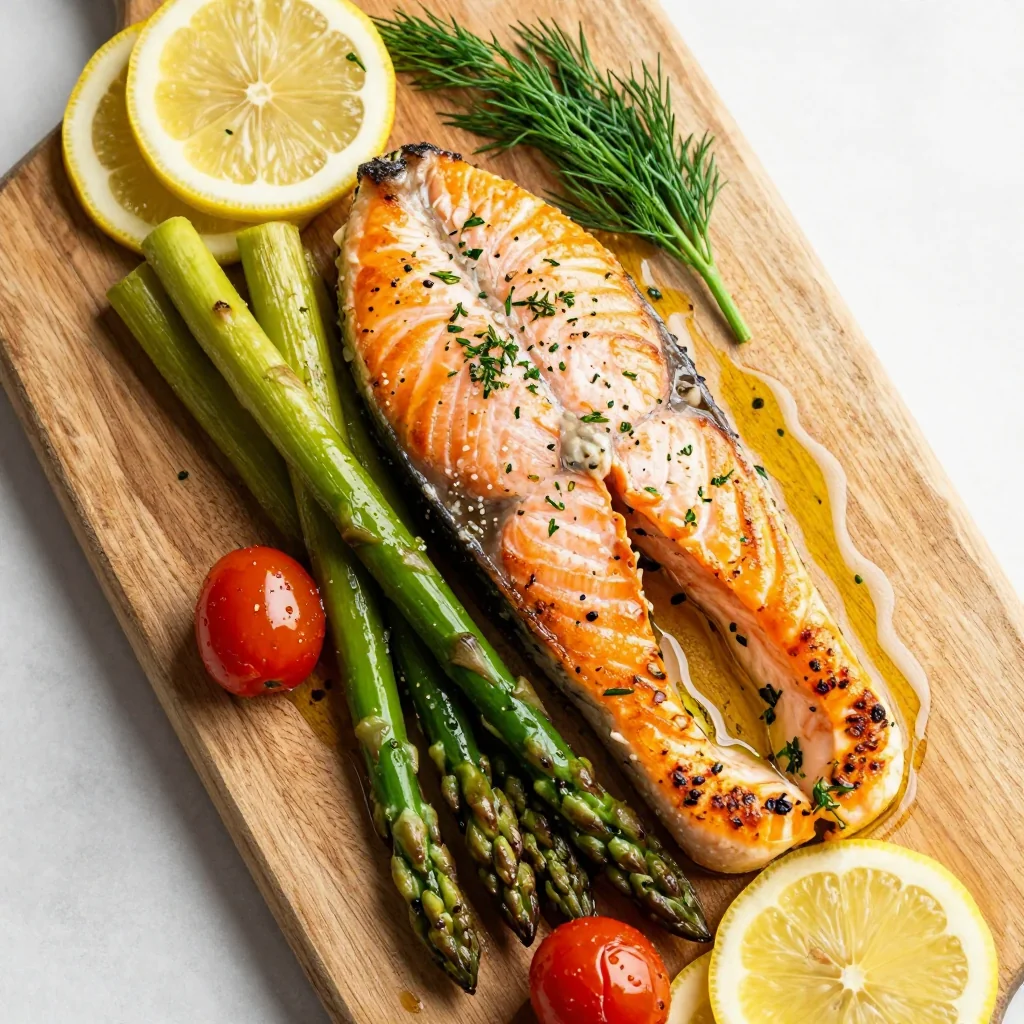
If you’ve ever stood at the fish counter wondering, “How on earth do I make salmon taste like the restaurant version at home?”—I wrote this one for you. Five summers ago my husband and I spent a long weekend on the Oregon coast. We’d rented a tiny cedar cabin that smelled like salt and pine, and the only “restaurant” within twenty miles was a dockside shack that grilled whatever the charter boats hauled in that morning. One bite of their lemon-dill salmon and I was obsessed: the skin was crackling, the flesh custard-tender, and the whole fillet shimmered with nothing more than citrus, herbs, and good olive oil. No heavy sauces, no breadcrumbs, no drama—just clean, honest flavor.
I begged the owner for the recipe (he laughed and pointed to a squeeze bottle of lemon juice and a mason jar of dill), then spent the next six months testing oven temperatures, fillet thicknesses, and lemon-to-dill ratios in my own kitchen. The result is today’s recipe: a sheet-pan method that duplicates that dock-shack magic without a grill, a cedar plank, or even much effort. It’s week-night fast, meal-prep friendly, and fancy enough for company. I serve it when my parents visit, when my book club needs something light between all the chardonnay, and when I want leftovers that still taste incredible cold over salad the next day.
Why This Recipe Works
- One pan, zero mess: Parchment lining means you’ll spend 2 minutes on dishes.
- Precision bake: 400 °F convection locks in moisture without overcooking.
- Clean eating approved: Gluten-free, dairy-free, low-carb, Whole30, Paleo—yet still crave-worthy.
- Flavor layering: Lemon zest under and over the fillet, plus a finishing squeeze of fresh juice, keeps every bite bright.
- Herb economics: Dill stems flavor the baking sheet; tender leaves stay vibrant for garnish—zero waste.
- Meal-prep superstar: Cooks in 12 minutes, reheats like a dream, and pairs with everything from quinoa to zucchini noodles.
Ingredients You'll Need
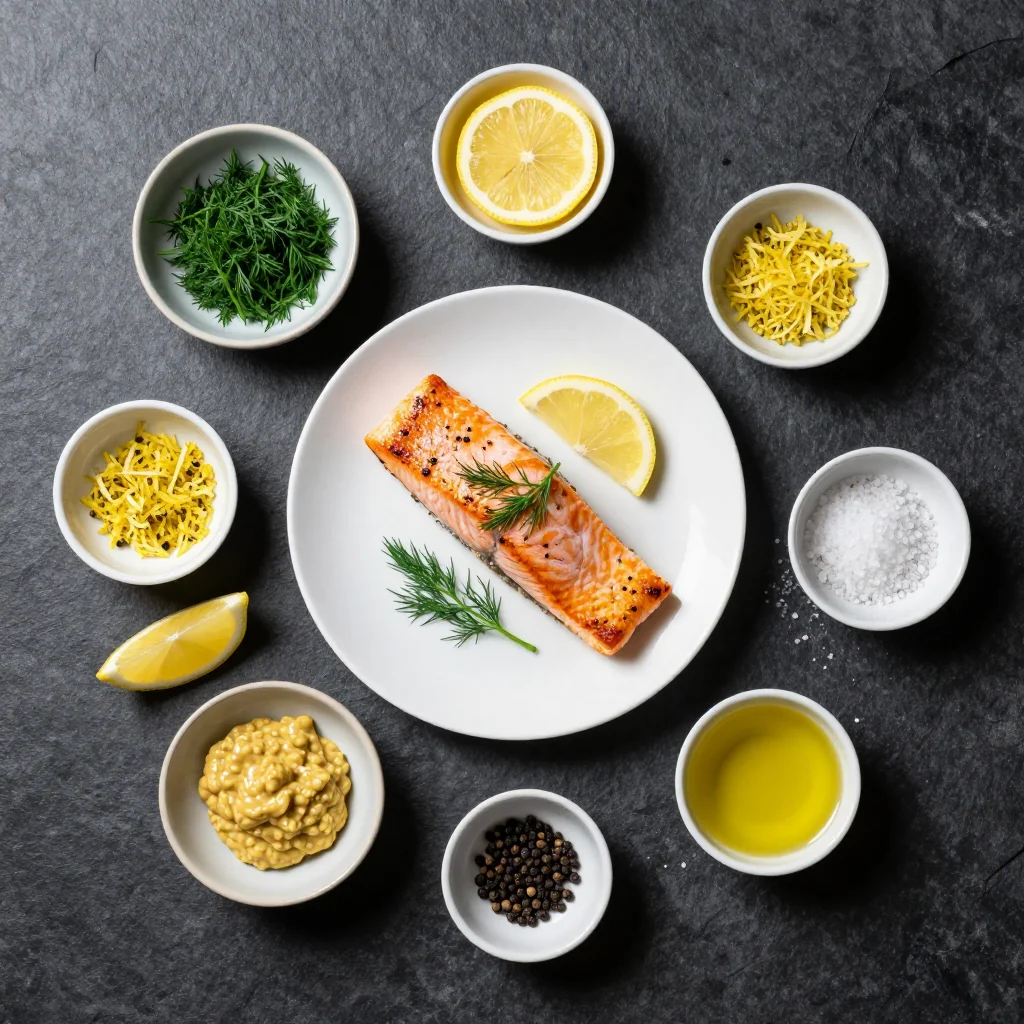
Great salmon begins at the market. Look for fillets that are translucent and coral—never dull or opaque—with zero fishy smell. If the flesh bounces back when you press it, you’re golden. I prefer center-cut portions that are at least 1¼ inches thick; they stay juicy even if your oven runs hot.
Wild vs. farmed: Wild Alaskan sockeye is my splurge for holidays; for Tuesday dinners I use responsibly farmed Atlantic. Either works as long as it’s fresh or properly thawed (overnight in the fridge, never the microwave).
Lemon: Organic if you can swing it—you’ll be using the zest. A microplane turns the fragrant yellow layer into fairy dust that perfumes the fish without bitter pith.
Dill: The frilly, feathery kind. Skip any bunch that’s wilted or dark. Store it upright in a mason jar with an inch of water, loosely covered with the produce bag, and it will last a week.
Olive oil: Extra-virgin and fresh (check the harvest date). You’re not frying, so a grassy, peppery oil adds another layer of flavor.
Garlic: One small clove, grated on the same microplane so it melts into the oil and doesn’t scorch.
Sea salt & pepper: Fine sea salt dissolves quickly; coarse cracked pepper gives gentle pops of heat.
Optional but awesome: A pinch of smoked paprika for subtle campfire vibes, or a drizzle of honey if you like a lacquered finish.
How to Make Clean Eating Lemon and Dill Baked Salmon
Heat & line
Position rack in center of oven; preheat to 400 °F convection (or 425 °F standard). Line a rimmed baking sheet with parchment, letting it overhang the long sides for easy lifting later.
Pat very dry
Place salmon skin-side down on a double layer of paper towels; top with more towels and press firmly. Moisture is the enemy of caramelization—be ruthless.
Make the lemon-dill oil
In a small bowl whisk 3 Tbsp olive oil, 1 tsp finely grated lemon zest, 1 Tbsp fresh lemon juice, 1 grated garlic clove, ½ tsp sea salt, and ¼ tsp cracked pepper. Reserve 1 Tbsp for finishing; the rest gets painted on the fish.
Season under & over
Slide the parchment with the salmon back onto the baking sheet. Brush the seasoned oil over the flesh, then scatter half of the dill fronds underneath the fillet and half on top—this perfumes the fish from both sides.
Add lemon slices (strategically)
Thin-slice half a lemon and tuck the wheels around—not on—the salmon. Direct contact can create bitter, burnt spots; nearby steam keeps the fillet moist.
Bake low & fast
Slide into the oven and bake 8 minutes for 1-inch fillets, up to 12 minutes for 1½-inch. The center should register 125 °F for medium-rare or 135 °F if you like it fully opaque. It will carry-over cook 5 degrees while resting.
Broil for the finale
Switch oven to broil on high for 1–2 minutes to blister the top. Watch like a hawk; parchment can ignite if it curls. You want golden edges, not charcoal.
Rest, gloss, and serve
Remove, drizzle with the reserved lemon-dill oil, squeeze the remaining lemon half over everything, and shower with fresh dill. Rest 3 minutes so juices redistribute, then lift the parchment onto a platter for family-style service or plate individual portions.
Expert Tips
Internal temp beats the clock
Salmon goes from silky to chalky in 90 seconds. An instant-read thermometer is the best $12 you’ll ever spend.
Oil the salmon, not the pan
Brushing the fillet ensures even coverage and prevents the parchment from getting slick and smoky.
Skin on = flavor insurance
Even if you don’t eat the skin, leave it on during baking; it shields the flesh and adds savory depth.
Flash-freeze for 15 min
If your salmon is ultra-fresh but you need to slice it into portions, 15 minutes in the freezer firms it up for restaurant-clean cuts.
Double the oil, double the meals
Make a triple batch of the lemon-dill oil and keep it in the fridge. It’s killer on roasted asparagus, shrimp, or even avocado toast.
Zest first, juice later
Zesting a whole lemon before juicing gives you better grip and keeps the oils on the skin where they belong.
Variations to Try
-
Mediterranean: Swap dill for oregano and basil, add ½ cup halved cherry tomatoes and ¼ cup pitted olives to the sheet pan for the final 5 minutes.
-
Spicy Maple: Whisk 1 tsp sriracha and 1 tsp pure maple syrup into the oil. Broil 30 seconds longer for sticky edges.
-
Asian twist: Replace lemon with lime, dill with cilantro, and add 1 tsp tamari and ½ tsp toasted sesame oil. Finish with sesame seeds and scallions.
-
Creamy (but still clean): Blend 2 Tbsp plain Greek yogurt with the reserved lemon oil for a quick drizzle that tastes like hollandaise.
-
Sheet-pan supper: Surround the salmon with 1-inch cubes of sweet potato and broccolini. Toss them with a little extra oil and they’ll cook in the same 12 minutes.
Storage Tips
Refrigerate: Let salmon cool completely, then store in an airtight glass container up to 3 days. Place a lemon slice on top to keep it aromatic.
Freeze: Wrap individual portions tightly in parchment, then foil, then a freezer bag. Thaw overnight in the fridge and reheat at 275 °F for 8 minutes or enjoy cold.
Salvage overcooked fillets: Flake into a salad with Greek yogurt, capers, and celery for a clean “salmon salad” that redeems even the driest piece.
Frequently Asked Questions
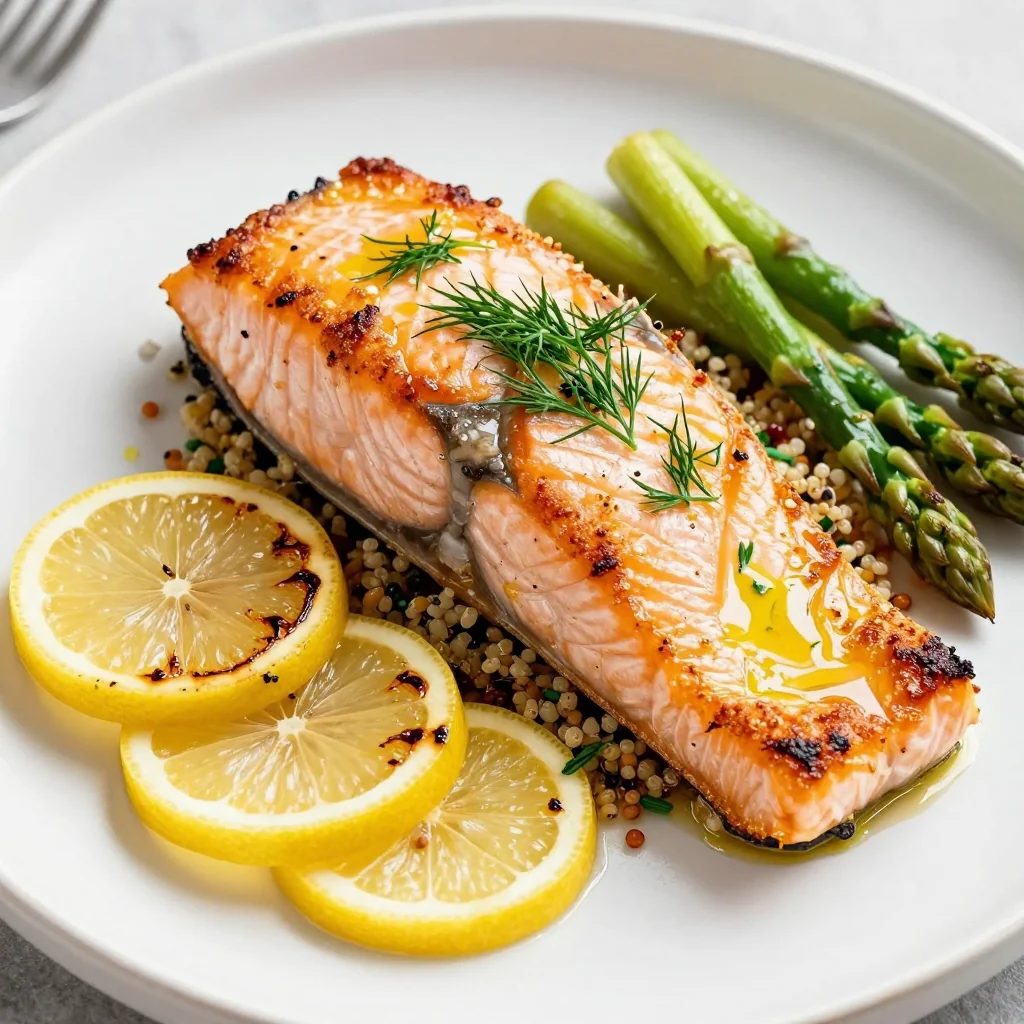
Clean Eating Lemon and Dill Baked Salmon
Ingredients
Instructions
- Preheat: Heat oven to 400 °F convection (425 °F standard). Line a rimmed sheet with parchment.
- Dry: Pat salmon very dry on paper towels—this is the secret to browning.
- Season: Whisk 2 Tbsp oil, lemon zest, 1 Tbsp juice, garlic, salt, and pepper. Reserve 1 Tbsp; brush remainder on flesh.
- Herb: Scatter 2 Tbsp dill under and over the fillet. Arrange lemon wheels around (not on) the salmon.
- Bake: Bake 8–12 min (125–135 °F internal). Broil 1 min for caramelized edges.
- Finish: Drizzle with reserved oil, remaining lemon juice, and top with remaining dill. Rest 3 min, then serve.
Recipe Notes
Leftovers keep 3 days refrigerated or 1 month frozen. Flake cold over salads, or reheat gently at 275 °F for 6–8 minutes to avoid drying.