It was a rainy Thursday, and my kitchen smelled like burnt toast and the faint ghost of a forgotten casserole. I had just finished a marathon of “meh” dinners and was scrolling through Pinterest, hoping for something that could salvage my evening. That’s when I stumbled upon a humble cabbage dish, but not the bland, over‑boiled kind that makes you wish for a salad. I swiped right on a recipe that promised flavor, texture, and a story in every bite, and I decided then and there that I’d give it a try.
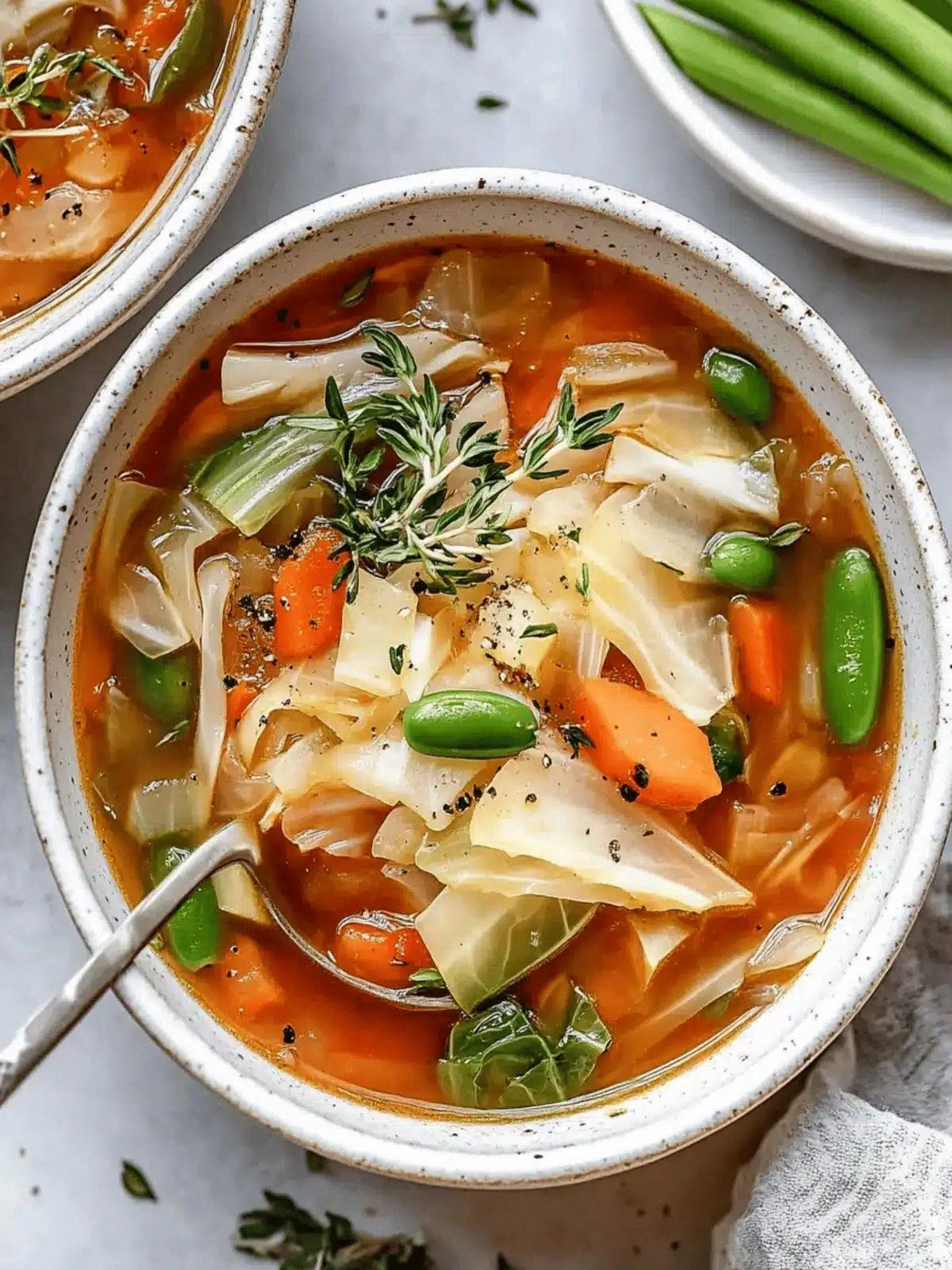
From the moment the pot hissed, the air was alive with the scent of garlic and tomato paste dancing together, a savory duet that could lift even the dullest of meals. The cabbage, crisp and green, looked like miniature trees ready to be transformed into a comforting bowl. My eyes caught the bright green beans and the tender zucchini, each promising a burst of color and crunch that would defy the usual stereotype of cabbage as merely a side.
What makes this version a standout is not just the combination of vegetables but the way the broth is infused, the gentle sauté that caramelizes onions, and the final splash of basil that lifts the entire dish into a fragrant cloud. I dare you to taste this and not go back for seconds because every spoonful feels like a hug in a mug. The texture is a play of softness and subtle bite, while the seasoning sings a chorus that will have you questioning why you ever settled for bland.
Picture yourself pulling this out of the pot, the whole kitchen smelling incredible, the steam curling like wisps of clouds, and the sound of a ladle stirring echoing like a lullaby. I’ll be honest— I ate half the batch before anyone else got a chance, and the rest was a testament to the dish’s irresistible charm. Let me walk you through every single step—by the end, you’ll wonder how you ever made it any other way.
What Makes This Version Stand Out
- Flavor: The broth is a low‑sodium, nonfat foundation that lets the vegetables shine. By adding tomato paste early, the soup gains depth without heaviness, turning each spoonful into a savory revelation.
- Texture: Cabbage remains tender yet slightly crisp, green beans snap, and zucchini melts into a silky finish. This contrast keeps the dish lively and prevents it from becoming mushy.
- Ingredient Quality: Fresh basil and oregano bring a bright, herbal note that cuts through the richness of the tomatoes, creating a balanced profile that feels both hearty and airy.
- Simplicity: With only thirteen ingredients and a single pot, the recipe is a masterclass in how less can be more—perfect for busy weeknights.
- Make‑ahead Potential: The soup keeps well in the fridge for up to five days, and freezing is a breeze, making it an excellent prep‑meal for the week.
- Versatility: The base can be turned into a soup, a stew, or even a creamy chowder with a splash of milk or coconut milk. The possibilities are endless.
- Healthful: Low in fat and sodium, high in fiber, and packed with vitamins, this dish feels indulgent without the guilt.
Inside the Ingredient List
The Flavor Base
The 4 cups of nonfat low‑sodium broth are the canvas that carries every other element. They keep the soup light, ensuring that the vegetables don’t drown in excess liquid. Skipping this step would result in a thicker, less balanced soup that feels heavy on the palate. If you’re a fan of a richer base, consider substituting half the broth with vegetable stock for a deeper umami kick. When choosing broth, opt for a brand with minimal additives; the cleaner the flavor, the more the vegetables shine.
The Texture Crew
Chopped cabbage, green beans, carrots, and zucchini form the backbone of this dish’s mouthfeel. Each vegetable brings its own bite—cabbage offers a gentle crunch, green beans deliver a satisfying snap, carrots add subtle sweetness, and zucchini melts into a velvety finish. Removing any of them changes the harmony; for instance, leaving out the beans will reduce the dish’s protein content and crispness. If you’re vegan, you can replace the broth with a plant‑based alternative to maintain the same texture profile.
The Unexpected Star
1 cup of diced tomatoes and 2 tablespoons of tomato paste might seem ordinary, but they’re the secret sauce that deepens flavor. The tomatoes provide acidity and sweetness, while the paste concentrates the tomato essence, creating a robust base. Skipping them would leave the soup bland and flat. A twist: use sun‑dried tomatoes for a smoky, intensified flavor that adds complexity without extra steps.
The Final Flourish
Fresh basil, dried oregano, kosher salt, and freshly ground black pepper are the final touches that elevate the dish. Basil’s aromatic oils burst with each spoonful, oregano offers earthy undertones, and the pepper adds a subtle heat that lingers on the tongue. If you prefer a milder version, reduce the pepper to a pinch, but the dish will still maintain its character. For an extra layer, sprinkle a touch of smoked paprika before serving.
Everything’s prepped? Good. Let’s get into the real action.
The Method — Step by Step
- Heat a large pot over medium heat and drizzle a tablespoon of olive oil. Once the oil shimmers, add the chopped onion and sauté until translucent and fragrant, about 4 minutes. The onion should soften without browning, releasing its natural sweetness. This step builds the flavor foundation; don’t rush it.
- Introduce the minced garlic and let it sing for 30 seconds, just until it releases its aroma. The garlic must not brown, or it will turn bitter. This brief sauté allows the garlic to meld with the onion, creating a savory base.
- Stir in the tomato paste, coating the onion and garlic mixture. Cook for 2 minutes, letting the paste caramelize slightly; it should darken a touch and emit a rich, roasted scent. This step deepens the soup’s umami profile and adds body.
- Add the diced tomatoes and cook for another 3 minutes, letting them break down and mingle with the paste. The tomatoes should soften, releasing juices that coat the vegetables. This creates a luscious tomato base that carries the rest of the ingredients.
- Pour in the 4 cups of low‑sodium broth, bring the mixture to a gentle boil, then reduce the heat to a simmer. The broth should bubble softly, not roar. This gentle simmer allows flavors to develop without scorching.
- Introduce the chopped cabbage, carrots, green beans, and zucchini. Stir to combine, then let the soup simmer for 15 minutes, or until the vegetables are tender yet retain a slight bite. The cabbage should still be vibrant green, not turning mushy.
- Season with dried oregano, kosher salt, and freshly ground black pepper. Taste and adjust, ensuring the balance of salt and spice is just right. The pepper should add a subtle heat that lingers, not overwhelm.
- Finish with a handful of fresh basil, stirring it in just before serving. The basil should wilt slightly, releasing its aromatic oils. The dish should look bright green and feel aromatic.
- Serve hot, ladled into bowls, and if desired, drizzle a splash of olive oil or a sprinkle of grated Parmesan for extra depth. The soup should feel comforting, with a gentle warmth that spreads through the room.
That’s it—you did it. But hold on, I’ve got a few more tricks that’ll take this to another level.
Insider Tricks for Flawless Results
The Temperature Rule Nobody Follows
Many people think a hard boil is necessary, but a gentle simmer preserves the delicate flavors of the vegetables. I’ve found that keeping the heat low prevents the cabbage from turning mushy and maintains a pleasant bite. If your stove runs hot, place a metal rack in the pot to keep the vegetables slightly elevated.
Why Your Nose Knows Best
Before you taste, sniff the soup. A hint of tomato aroma means the paste has caramelized enough, while a faint onion scent indicates it’s cooked through. If the soup smells bland, let it simmer a few more minutes; the flavors will intensify.
The 5‑Minute Rest That Changes Everything
After removing the pot from heat, let the soup sit for 5 minutes. This brief pause allows the vegetables to finish cooking in their own steam, resulting in a more cohesive texture. It also gives the flavors a chance to meld fully.
Keep It Fresh with a Splash of Water
If the soup has thickened too much during storage, add a splash of water or broth before reheating. This restores its original consistency and keeps it from drying out.
Season in Layers
Do not salt the soup all at once. Instead, season in layers—first with salt, then with pepper, and finally with basil. This gradual seasoning ensures each flavor is fully absorbed without overwhelming the dish.
Use a Dutch Oven for Even Heating
A heavy‑bottomed pot like a Dutch oven distributes heat evenly, preventing hot spots that can burn the vegetables. If you’re using a regular pot, stir more frequently to avoid scorching.
Creative Twists and Variations
This recipe is a playground. Here are some of my favorite ways to switch things up:
Smoky Chipotle Variant
Swap the oregano for chipotle powder and add a dash of adobo sauce. The result is a smoky, mildly spicy soup that feels like a Mexican comfort dish. It’s perfect for those who love heat without the need for fresh chilies.
Indian‑Inspired Curry
Introduce a tablespoon of garam masala, a pinch of turmeric, and a splash of coconut milk. The soup takes on a warm, earthy flavor profile that’s reminiscent of a mild curry. Serve with naan for a complete meal.
Italian Sausage Boost
Brown sliced Italian sausage in the initial sauté step. The sausage’s fat and seasoning infuse the broth, turning the soup into a hearty, protein‑rich dish. Add a handful of grated Parmesan before serving for a savory finish.
Vegetarian Protein Power
Incorporate a can of drained chickpeas during step 5. Chickpeas add protein and a nutty texture, making the soup more filling. It’s an excellent option for vegetarians looking for a satisfying meal.
Breakfast Bowl
Serve the soup with a poached egg and a drizzle of hot sauce. The egg adds richness and the sauce introduces a tangy kick, turning the dish into a savory breakfast bowl that’s both comforting and energizing.
Low‑Calorie Clean‑seating
Replace the tomato paste with a tablespoon of tomato sauce and reduce the broth to 3 cups. This lower‑calorie version still delivers the same vibrant flavors while keeping the dish light and refreshing.
Storing and Bringing It Back to Life
Fridge Storage
Cool the soup completely before transferring it to a sealable container. Store it in the refrigerator for up to five days. The vegetables retain their texture, and the flavors deepen over time.
Freezer Friendly
Divide the soup into freezer‑safe portions, leaving a little headspace for expansion. Freeze for up to three months. Thaw overnight in the refrigerator before reheating.
Best Reheating Method
Reheat gently on the stove over low heat, stirring occasionally. Add a splash of water or broth to restore moisture. Heat until steaming hot, and serve immediately for the best flavor and texture.