Picture this: I was standing in my cramped kitchen, a half‑cooked batch of chicken sitting in a bowl, the air thick with the scent of soy sauce and garlic. I had just pulled a box of frozen chicken wings from the freezer, hoping for a quick dinner, but the wings had already turned into a soggy, flavorless mess. That night I decided to take matters into my own hands, armed with a handful of pantry staples and an unquenchable craving for something that would make my taste buds dance. The result? A plate of Crispy Chilli Chicken that exploded with heat, crunch, and a subtle umami finish that left everyone asking for more.
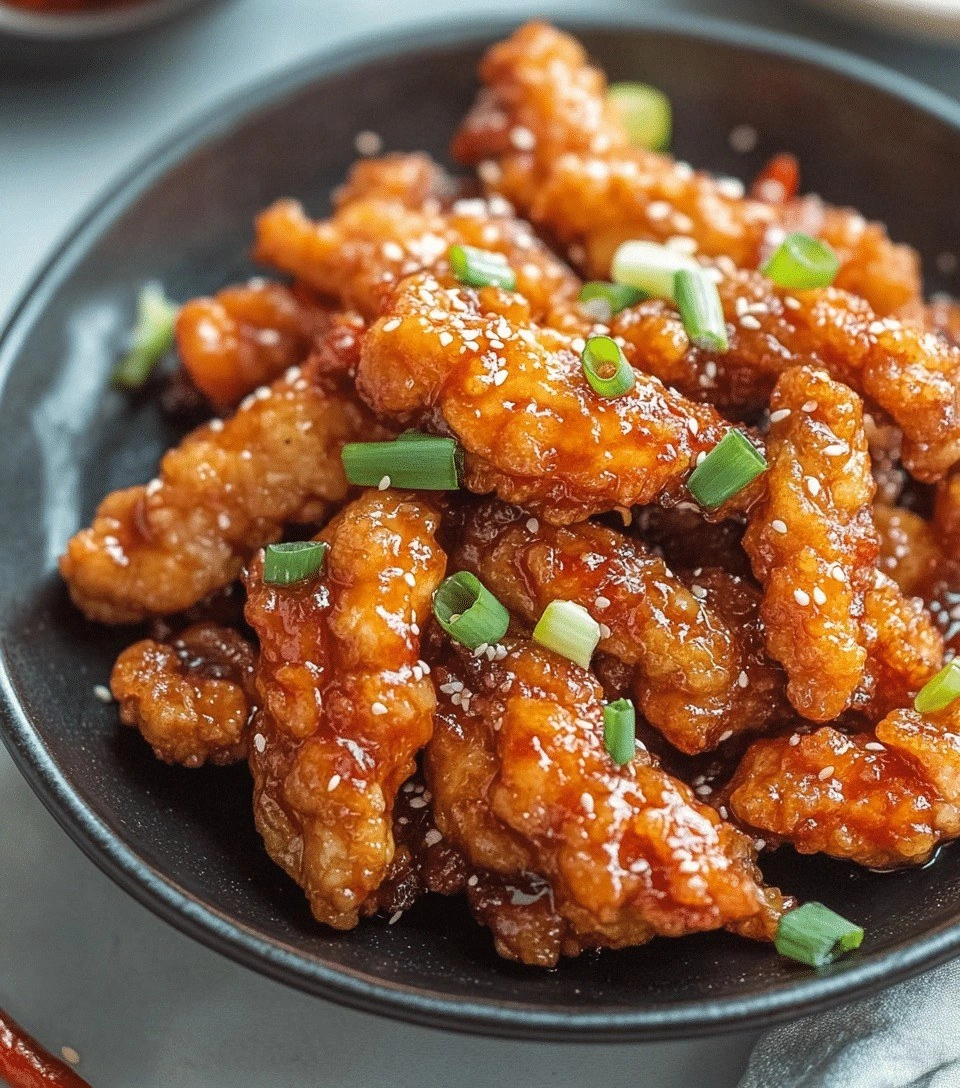
The first time I tasted it, the heat hit like a gentle wave, not a scorching blast, and the crunch was crisp enough to make the sound of the chicken bite into the air. The aroma—roasted garlic, toasted sesame, and a faint citrus zing from the lime—filled the entire kitchen, turning the space into a fragrant sanctuary. The texture was a paradox: the outer coating crackled with every bite, while the inside remained tender, juicy, and slightly caramelized. I could hear the satisfying snap of the coating, feel the warmth of the sauce coating each piece, and see the glossy sheen that glistened like a jewel. It was the kind of dish that turns an ordinary meal into a memorable event.
What makes this version stand out isn’t just the combination of flavors—it’s the meticulous balance of techniques that elevate the dish to another level. The coating is a precise blend of flour and cornstarch, giving it a light, airy crunch that doesn’t overwhelm the chicken. The sauce is a quick reduction that locks in heat without making the dish overly oily. And the finish? A drizzle of lime juice and a sprinkle of sesame seeds that add brightness and a nutty aroma. I dare you to taste this and not go back for seconds. I’ve been told this is hands down the best version you’ll ever make at home.
If you’ve ever struggled with crispy fried chicken that ends up soggy or bland, you’re not alone. I’ve been there, watching the batter soak into the meat, and it’s a recipe failure waiting to happen. But this method is a game‑changer: the batter’s ratio, the double‑fry technique, and the quick glaze all work together to create that perfect bite. Picture yourself pulling this out of the oven, the whole kitchen smelling incredible, the heat rising like a warm hug. I’ve spent countless hours tweaking this recipe, and the final product is a testament to patience, precision, and a lot of love for food.
What Makes This Version Stand Out
- Crunch: The coating is a masterfully balanced mix of flour and cornstarch, creating a light, airy crunch that shatters like thin ice with every bite.
- Heat: Chili flakes are infused into the batter, ensuring the spice penetrates the chicken, delivering a steady, comforting warmth.
- Flavor Depth: The sauce blends soy, sesame, lime, and a splash of fish sauce, giving a layered umami profile that lingers on the palate.
- Texture: The double‑fry technique locks in juices, keeping the interior moist while the exterior remains blisteringly crisp.
- Ingredient Quality: Using fresh garlic, ginger, and scallions amplifies aroma, turning a simple dish into a fragrant celebration.
- Make‑Ahead Potential: The chicken can be marinated overnight and the sauce can be pre‑made, saving you time on busy nights.
- Crowd Appeal: Whether served as an appetizer or a main, the dish is universally loved, making it a crowd‑pleaser at parties or family dinners.
- Simplicity: Only a handful of pantry staples are required, yet the final result is complex and satisfying.
Inside the Ingredient List
The Flavor Base
The foundation of this dish lies in its sauce—a quick, fragrant blend that coats the chicken and ties all the elements together. Soy sauce provides the salty backbone, while sesame oil adds a subtle nuttiness that elevates the entire flavor profile. Lime juice injects a bright acidity that cuts through the richness, creating a balanced, vibrant taste. A splash of fish sauce adds depth and umami, giving the sauce a savory complexity that’s hard to replicate with soy alone.
The Texture Crew
The coating is where the magic happens. A combination of all-purpose flour and cornstarch creates a light, airy batter that crisps to perfection. The flour offers structure, while the cornstarch keeps the coating tender yet crisp. The batter is seasoned with chili flakes, salt, and pepper, ensuring every bite carries a subtle heat without being overwhelming. If you skip the cornstarch, the coating will be heavier and less crisp, which is why this ratio is critical.
The Unexpected Star
Garlic and ginger aren’t just add‑ons; they’re the aromatic heart of the dish. Freshly minced garlic brings a sharp, pungent bite, while grated ginger adds a warm, slightly sweet undertone. Together, they create a fragrant base that permeates the batter and the sauce. If you’re looking for a milder version, reduce the amount of garlic, but don’t omit ginger entirely—its subtle heat is essential for balance.
The Final Flourish
Scallions and sesame seeds are the finishing touches that add texture and visual appeal. Sliced scallions provide a fresh, green contrast to the rich coating, while toasted sesame seeds add a nutty crunch and a splash of color. If you’re craving a smoky twist, lightly toast the sesame seeds in a dry pan until fragrant before adding them. This small step can elevate the dish from good to unforgettable.
Everything’s prepped? Good. Let’s get into the real action.
The Method — Step by Step
- Start by cutting 1 pound of boneless chicken breasts into bite‑size pieces. Pat them dry with paper towels—this step is crucial for a crispy coating. Season the chicken with salt, pepper, and a pinch of chili flakes. Let it sit for 10 minutes so the flavors can penetrate the meat.
- In a separate bowl, whisk together 1 cup of all‑purpose flour, ½ cup of cornstarch, 1 tablespoon of chili flakes, and a splash of soy sauce. The soy will bind the dry mixture, creating a cohesive batter. Stir until the mixture is smooth and free of lumps.
- Beat one large egg in a shallow dish. Dip each seasoned chicken piece first into the egg, allowing excess to drip off, then coat it evenly with the dry batter. Shake off any excess to avoid a greasy final product.
- Heat 2 cups of vegetable oil in a deep skillet or pot to 350°F (175°C). Test the oil by dropping a small piece of batter; it should sizzle immediately and rise to the surface within 30 seconds. If it takes longer, the oil is too cool.
- Carefully lower the battered chicken into the hot oil in batches, making sure not to overcrowd the pan. Fry for 4–5 minutes per batch, turning once, until the coating is golden brown and crisp. Use a slotted spoon to lift the chicken, allowing excess oil to drain.
- While the chicken is frying, prepare the sauce: combine 2 tablespoons of soy sauce, 1 tablespoon of sesame oil, 1 tablespoon of lime juice, 1 teaspoon of fish sauce, 2 minced garlic cloves, and 1 teaspoon grated ginger in a small saucepan. Bring to a gentle simmer over medium heat, stirring constantly until the mixture thickens slightly.
- Once all the chicken is fried, transfer it to a large mixing bowl. Pour the warm sauce over the chicken, tossing gently so every piece is coated. The heat from the sauce will slightly caramelize the coating, adding a glossy finish.
- Finish with a handful of sliced scallions and 1 tablespoon of toasted sesame seeds. Toss again, ensuring the toppings are evenly distributed. Plate the chicken on a serving platter, letting the steam rise to fill the kitchen with that irresistible aroma.
That's it—you did it. But hold on, I've got a few more tricks that'll take this to another level. Keep reading, and you'll discover how to perfect every nuance of this dish.
Insider Tricks for Flawless Results
The Temperature Rule Nobody Follows
Oil temperature is the secret to a crisp coating. Use a thermometer to keep the oil between 350°F and 375°F. If the oil is too hot, the coating burns before the chicken cooks; too cool, and the chicken absorbs oil and loses crunch. I once fried chicken at 400°F and ended up with a soggy mess—lesson learned.
Why Your Nose Knows Best
Before you start frying, take a quick sniff of the batter. It should smell slightly nutty and fresh. If you detect a raw, floury odor, let the batter rest for 10 minutes; this allows the flour to hydrate and reduces the raw taste.
The 5‑Minute Rest That Changes Everything
After the first fry, let the chicken rest on a wire rack for 5 minutes. This step allows steam to escape, preventing the coating from becoming soggy. It also gives the sauce time to thicken slightly, ensuring a glossy finish.
The Quick Glaze Trick
If you want extra shine, add a teaspoon of honey to the sauce and reduce it over low heat until it coats the back of a spoon. The honey caramelizes, giving the chicken a beautiful, subtle sweetness that balances the heat.
The Secret to Even Coating
Shake off excess batter before frying. A thin, even layer ensures uniform heat distribution. If you find the coating uneven, let the chicken sit in the batter for a minute; the batter will spread out more evenly.
Creative Twists and Variations
This recipe is a playground. Here are some of my favorite ways to switch things up:
Citrus‑Infused
Swap the lime juice for a splash of orange juice and add a pinch of dried orange zest to the batter. The result is a bright, sweet heat that pairs wonderfully with a glass of chilled white wine.
Sweet & Smoky
Add a teaspoon of smoked paprika to the batter and drizzle a light glaze of maple syrup over the finished chicken. The smoky sweetness creates a complex flavor profile that’s perfect for autumn gatherings.
Thai‑Inspired
Replace the soy sauce with fish sauce, add a tablespoon of Thai red curry paste to the sauce, and garnish with fresh cilantro and lime wedges. The dish becomes a bold, aromatic Thai street‑food favorite.
Herb‑Rich
Incorporate finely chopped fresh herbs—such as basil, mint, or parsley—into the batter. The herbs infuse the coating with fresh, green flavors that brighten the dish.
Spicy Peanut
Whisk peanut butter, soy sauce, lime juice, and a dash of sriracha into the sauce. Toss the fried chicken in this creamy, spicy coating for a rich, nutty flavor that’s both comforting and exciting.
Baked Version
For a healthier take, coat the chicken with the batter, place it on a parchment‑lined sheet, and bake at 400°F for 20 minutes, flipping halfway. The result is a crisp coating with less oil and a slightly different texture.
Storing and Bringing It Back to Life
Fridge Storage
Store leftover chicken in an airtight container in the refrigerator for up to 3 days. The coating may soften slightly, but it retains its flavor. Reheat in a skillet over medium heat for a minute to revive the crispness.
Freezer Friendly
Place the chicken on a parchment paper sheet and freeze for up to 2 months. When ready to eat, thaw overnight in the refrigerator and reheat in a skillet or oven at 375°F for 10 minutes.
Best Reheating Method
Add a splash of water to the pan before reheating; the steam will restore moisture without making the coating soggy. Finish by tossing the chicken in a quick glaze of soy and lime to refresh the flavors.