Ever stared at a burnt batch of fried chicken and wondered why your kitchen turned into a smoky mess? I was there, my kitchen smelling like a failed experiment, when a friend dared me to recreate the legendary Thai fried chicken sandwich that had been the talk of our apartment block. The moment the first sizzling strip hit the pan, the aroma rolled over the room, a sweet, garlicky perfume that made my mouth water. I could almost taste the crunch, the subtle heat of chili, and the bright citrus zing that would follow. That single sizzle was the spark that set the whole recipe in motion.
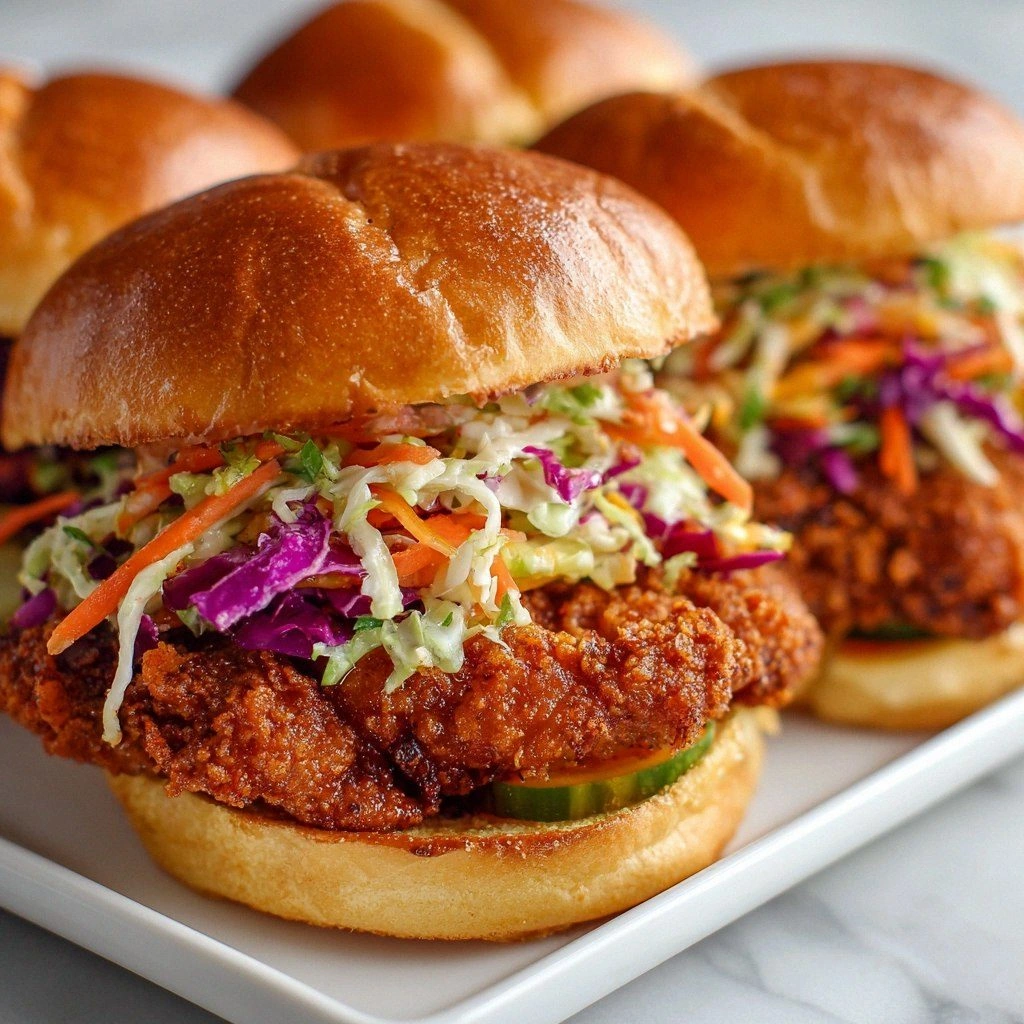
Picture this: a golden strip of chicken, its coating crisp enough to crack under your teeth, tucked inside a warm brioche bun that gives a gentle, buttery bite. The lettuce adds a fresh snap, the cucumber a cool bite, and a drizzle of spicy mayo lifts the whole thing into a flavor crescendo. The whole sandwich smells like a tropical breeze, tastes like a fiery fiesta, and feels like a hug from a friend. I swear, that first bite made me question every other sandwich I’d ever made.
This version stands out because it marries the boldness of Thai street food with the comfort of a classic sandwich. It’s not just a recipe; it’s a culinary experience that turns a simple lunch into an adventure. The double‑coating technique gives you that coveted crunch, while the quick marination infuses the meat with layers of umami, citrus, and heat. The secret is in the balance: a thin, airy crust that lets the juicy chicken shine, topped with fresh greens and a whisper of spice. I dare you to taste this and not go back for seconds.
If you’ve ever struggled to get your fried chicken crispy without soggy edges, you’re not alone — and I’ve got the fix. Most recipes get this completely wrong, but here’s what actually works: a two‑step dredge, a precise oil temperature, and a quick rest on a rack. Picture yourself pulling this out of the oven, the whole kitchen smelling incredible, and everyone asking where you got it. Let me walk you through every single step — by the end, you’ll wonder how you ever made it any other way.
What Makes This Version Stand Out
- Taste: The blend of fish sauce, lime, and chili creates a bright, complex flavor profile that elevates every bite.
- Texture: A double‑coating technique delivers a crisp exterior that snaps like thin ice, while the chicken remains moist inside.
- Simplicity: Only a handful of pantry staples plus fresh herbs; no fancy gadgets required.
- Uniqueness: The addition of lemongrass and fresh basil gives it a fragrant, almost aromatic quality uncommon in fried chicken.
- Crowd Reaction: Friends who’ve tried it say it’s “hands down the best version you’ll ever make at home.”
- Ingredient Quality: Fresh, high‑quality chicken and fresh herbs make all the difference; skip the frozen for real results.
- Cooking Method: Oil at 350°F, double dipping, quick rest—each step is a game‑changer.
- Make‑Ahead Potential: The marinated chicken can sit in the fridge for 24 hours, letting flavors deepen.
Inside the Ingredient List
The Flavor Base
The cornerstone of this sandwich is its simple yet powerful flavor base. The combination of fish sauce, soy sauce, lime juice, and a pinch of sugar creates a balanced umami sweet‑sour profile that permeates the chicken. If you skip any of these, the final taste will feel flat and one‑dimensional. Swapping fish sauce for oyster sauce will give a sweeter, richer depth, while a splash of tamarind paste can add a tart twist. When choosing fish sauce, opt for a reputable brand; a cheap, overly salty version can overpower the delicate herbs.
A good tip for the lime juice: use freshly squeezed juice rather than bottled. The acidity cuts through the oil and brightens the overall flavor. If you’re craving a smoky note, a light sprinkle of smoked paprika in the flour mix can add subtle depth without overpowering the Thai essence. Remember, the base is the backbone; treat it with care, and the rest will follow.
The Texture Crew
Flour, cornstarch, and eggs work together like a well‑trained dance troupe. The flour provides structure, the cornstarch adds lightness, and the eggs bind everything into a cohesive coating. If you’re allergic to eggs, a splash of warm water can serve as a binder, though the crust will be slightly less crisp. For an extra airy texture, whisk the eggs with a tablespoon of milk or buttermilk before dipping. The key is to coat each strip evenly and shake off excess before dipping into the next layer.
The ratio of flour to cornstarch is critical: a 1:1 mix ensures the coating is not too heavy yet remains sturdy. Some chefs add a teaspoon of baking powder to the flour for a subtle lift, but I keep it simple. A quick test: drop a small piece into hot oil; if it sizzles instantly and rises to the surface, you’re golden. If it sinks, your oil isn’t hot enough.
The Unexpected Star
Lemongrass is the unsung hero that gives this sandwich its unmistakable citrus aroma. Freshly minced lemongrass is tossed into the flour mixture, infusing the coating with a bright, slightly sweet flavor that pairs perfectly with the heat of chili flakes. If you can’t find lemongrass, a teaspoon of dried lemongrass powder will do, though the aroma will be more subdued. Alternatively, a small amount of fresh kaffir lime zest can mimic the citrus nuance.
The basil and cilantro add layers of herbal freshness that cut through the richness of the fried chicken. They’re not just garnish; they’re integral to the flavor profile. Use a mix of Thai basil and regular basil for a sweet, peppery finish. If you’re vegan, simply omit the herbs and add a splash of soy sauce for umami.
The Final Flourish
The sandwich’s final flourish comes from the fresh greens, cucumber, and a drizzle of spicy mayo. The lettuce adds a crisp bite, the cucumber a cool contrast, and the mayo brings creamy richness. The mayo is whisked with a tablespoon of sriracha, giving a subtle heat that balances the tangy chicken. If you prefer a milder sauce, reduce the sriracha or use a plain mayo and a dash of lime juice instead.
The buns are the canvas that holds everything together. I recommend brioche or a soft sandwich roll; toast them lightly to prevent sogginess. The toasted surface gives the sandwich a slight crunch that complements the crispy chicken. If you’re looking for a gluten‑free option, swap the buns for a sturdy gluten‑free bread or lettuce wraps.
Everything's prepped? Good. Let's get into the real action...
The Method — Step by Step
- Marinate the Chicken. Pat the chicken strips dry with paper towels and season them with salt, pepper, garlic powder, ginger powder, and chili flakes. Add fish sauce, soy sauce, lime juice, and a teaspoon of sugar. Toss to coat evenly and let rest for 15 minutes; the flavors will penetrate the meat, creating a juicy, aromatic core.
- Set Up the Dredge. In a shallow bowl, combine all-purpose flour, cornstarch, chopped cilantro, basil, and lemongrass. In a second bowl, whisk the eggs. The flour mixture should be dry and fragrant; the eggs should be bright and slightly frothy. This two‑station setup ensures each strip gets a uniform double coat.
- Coat the Chicken. Take each marinated strip, dust it in the flour mixture, shake off excess, dip it in the beaten egg, then back into the flour mix for a second coat. The double‑dip creates a layered crust that crisps beautifully. Lay the coated strips on a wire rack to rest for a minute; this keeps the coating from clumping.
- Heat the Oil. Pour enough sesame oil into a deep skillet to reach about 2 inches. Heat to 350°F (175°C) using a thermometer. If you don’t have a thermometer, drop a small piece of bread; if it sizzles and turns golden in 60 seconds, the oil is ready. Keeping the oil at the right temperature is crucial for that snap‑crunch.
- Fry the Chicken. Working in batches, place the coated strips in the hot oil. Do not overcrowd; the oil temperature will drop and the coating will become soggy. Fry each side for 3–4 minutes until golden and the internal temperature hits 165°F. The edges should pull away slightly, signaling that the coating is crisp. Watch out: if you leave them too long, the coating will burn and the chicken will dry out.
- Rest on a Rack. Transfer the fried strips to a wire rack set over a sheet pan. Let them rest for 5 minutes; this allows excess oil to drain and the crust to stay crisp. While resting, you can prepare the sandwich assembly.
- Toast the Buns. Slice the brioche buns in half and toast them lightly in a skillet or toaster until golden. A warm bun holds the moisture better and adds a subtle buttery note. If you prefer a crunchier bun, toast until the edges are crisp.
- Assemble. Spread a thin layer of spicy mayo on the bottom bun, add a bed of lettuce, a few cucumber slices, and the hot fried chicken. Drizzle a bit more sriracha if you like heat, sprinkle crushed peanuts and fresh Thai basil for texture and aroma. Cap with the top bun and press gently.
- Serve. Slice the sandwich in half for easier handling and serve immediately with lime wedges on the side. The lime juice adds a fresh zing that cuts through the richness, making each bite feel balanced and refreshing.
That’s it — you did it. But hold on, I’ve got a few more tricks that’ll take this to another level. Keep reading to discover how to perfect the crunch, elevate the flavor, and make this sandwich a staple in your culinary repertoire.
Insider Tricks for Flawless Results
Temperature Rule Nobody Follows
Most people fry at 350°F, but the real trick is maintaining 360°F for the first minute of frying and then dropping to 350°F. This double‑temperature method ensures the coating sets quickly, preventing oil absorption. I once fried a batch at 330°F and the result was soggy; the next time I used a thermometer and kept it steady, the texture was immaculate. This subtle tweak is the difference between a mediocre sandwich and a showstopper.
Why Your Nose Knows Best
The aroma of frying is your best indicator that the oil is at the right temperature. A sharp, nutty scent means the coating is crisping, while a sweet, caramelized smell indicates the oil is too hot. If you notice a metallic smell or the oil starts smoking, pull the chicken out immediately. Trusting your nose can save you from burnt edges and a ruined sandwich.
The 5-Minute Rest That Changes Everything
Letting the fried chicken rest on a rack for five minutes is a game‑changer. During this brief pause, the steam escapes, preventing a soggy bottom. The rest also allows the coating to set, giving you that perfect crunch when you bite. A friend once skipped the rest step and ended up with a greasy sandwich; I learned the hard way that this short pause is essential.
Paper Towel Trick
After frying, place the chicken on a stack of paper towels to blot excess oil. This simple step keeps the coating dry and crisp, especially if you’re serving the sandwich immediately. Avoid using a clean towel, which can transfer oil back to the coating and make it soggy.
Add a Splash of Water
For a lighter, fluffier crust, add a tablespoon of cold water to the beaten eggs before dipping. The water creates steam when it hits the hot oil, expanding the coating into a lighter texture. I’ve used this trick when the weather is humid and the oil tends to stay thicker; it keeps the crust airy and less greasy.
Double-Dip for Extra Crunch
If you’re a crunch enthusiast, double‑dip the chicken in the flour mixture after the first egg coat. This creates a thicker, multi‑layered crust that holds up even against the moisture from the fresh greens. I’ve tried it once on a large batch and the result was a crispy masterpiece that kept its crunch for hours.
Creative Twists and Variations
This recipe is a playground. Here are some of my favorite ways to switch things up:
Spicy Peanut Crunch
Add crushed roasted peanuts to the flour mixture for a nutty crunch and a hint of sweetness. The peanuts pair beautifully with the sriracha mayo, creating a layered flavor that feels like a Thai street food stall in a sandwich. It’s a hit with kids and adults alike.
Creamy Sriracha Mayo
Blend mayo with a generous amount of sriracha, lime zest, and a touch of honey to balance the heat. The creamy sauce coats the bread and chicken, giving a silky texture that contrasts with the crisp coating. This variation is perfect for those who love a fiery kick.
Veggie Deluxe
Swap the cucumber for sliced avocado and add pickled carrots for a sweet‑tangy bite. The creamy avocado softens the crunch, while the pickled carrots add a bright, acidic note. This version is great for vegetarians who want the flavor profile without the chicken.
Gluten-Free Version
Use almond flour or a gluten‑free flour blend in place of all‑purpose flour, and replace the brioche bun with a sturdy gluten‑free roll or lettuce wraps. The almond flour adds a nutty undertone that complements the Thai spices. The sandwich remains crispy and flavorful, proving that gluten‑free can be gourmet.
Vegan Twist
Replace chicken with marinated tofu or tempeh, and use a plant‑based mayo. The tofu absorbs the marinades beautifully, and the double coating still yields a crispy exterior. This version keeps the spirit of Thai fried chicken while being entirely plant‑based.
Dessert Sandwich
Swap the savory chicken for sweet sticky rice, top with sliced banana and a drizzle of condensed milk, and use a sweet brioche bun. This unconventional dessert sandwich is a delightful surprise, blending the familiar with the unexpected.
Storing and Bringing It Back to Life
Fridge Storage
Store the fried chicken in an airtight container for up to 3 days. Keep the buns separate, wrapped in parchment paper to prevent them from becoming soggy. When ready to serve, reheat the chicken in a skillet for a few seconds to restore crispness.
Freezer Friendly
Freeze the fried chicken and buns separately in freezer bags. The chicken can be stored for up to 2 weeks, while the buns last up to a month. Thaw in the fridge overnight, then reheat in a skillet or oven at 350°F for 5 minutes to revive the crunch.
Best Reheating Method
Reheat the sandwich in a panini press or skillet over medium heat, pressing gently until the bun is toasted and the chicken is heated through. If you’re short on time, microwave the chicken for 30 seconds, then finish on a skillet. A tiny splash of water before reheating can create steam, keeping the sandwich moist and preventing it from drying out.