I still remember the night I tried to bake a cheesecake for the first time and ended up with a gooey, soggy mess that looked like a melted cheese pizza. The kitchen was a battlefield of melted butter, a ruined crust, and a smell that lingered like a bad joke. I stared at the warped dome, feeling the sting of disappointment. Then I decided that if I could survive that disaster, I could make a cheesecake that would make my friends swoon and my taste buds do a happy dance.
Picture this: a silky, cloud‑like filling that glistens under the oven light, a golden crust that crackles with the slightest bite, and a tangy lemon kiss that lifts every bite to new heights. The aroma of fresh cream cheese mingles with vanilla and a hint of citrus, filling the room with a promise of indulgence. The texture is a paradox—soft enough to melt in your mouth yet firm enough to hold its shape when sliced. Every spoonful feels like a secret, a whisper of luxury that you never want to share with anyone else.
What makes this version stand out from the endless variations on the internet is the balance of flavors and the subtle technique that locks in moisture without compromising structure. I dared you to taste this and not go back for seconds, and trust me, you won’t. I’ll be honest—I ate half the batch before anyone else got a chance to try it. The secret? A small splash of heavy cream and a careful folding technique that keeps the batter airy and light.
Most recipes get this completely wrong, focusing on either over‑baking or under‑baking, which turns the cheesecake into a rubbery or watery disaster. This time, I’ve cracked the code: the right temperature, the precise timing, and that one unexpected ingredient that elevates the entire dish. Picture yourself pulling this out of the oven, the whole kitchen smelling incredible, and the first slice cutting cleanly through a glossy surface. Okay, ready for the game‑changer? Let me walk you through every single step—by the end, you’ll wonder how you ever made it any other way.
What Makes This Version Stand Out
- Taste: The creamy base is enhanced by a subtle lemon zest that brightens the richness without overpowering it. The result is a cheesecake that feels luxurious but never heavy on the palate.
- Texture: By incorporating heavy cream and folding the eggs gently, the batter remains silky while still setting firmly. This gives you that perfect bite—soft yet supportive.
- Simplicity: All the ingredients are pantry staples you likely already own. No obscure items or fancy equipment required.
- Uniqueness: The addition of a thin, buttery crust that is crisp on the outside and tender on the inside sets this recipe apart from the usual dense, crumbly bases.
- Crowd Reaction: Friends who tried it said it was “the best cheesecake they’ve ever had” and they’re still asking for the recipe months later.
- Ingredient Quality: Using high‑fat cream cheese and fresh lemons ensures a flavor profile that feels premium, even at home.
Alright, let’s break down exactly what goes into this masterpiece…
Inside the Ingredient List
The Flavor Base
Cream cheese is the heart of this cheesecake—its high fat content provides the richness that makes each bite melt in your mouth. Use a full‑fat variety for the best flavor; lower‑fat versions can feel thin and watery. If you’re looking for a slightly tangier profile, choose a cream cheese that’s been cultured for a day or two. Skipping it entirely would leave your cheesecake with no structure, essentially turning it into a custard.
Granulated sugar not only sweetens the filling but also helps stabilize the eggs as they set. It dissolves into the batter, creating a smooth texture that’s free of grain. You can replace it with honey or maple syrup for a different sweetness profile, but keep in mind the final texture will change slightly.
Vanilla extract adds depth, counterbalancing the richness of the cream cheese. A few drops of pure vanilla bean paste can elevate the flavor even further, giving you a subtle floral note that lingers. If you’re allergic to dairy, you can substitute with coconut milk or almond milk, though the result will be noticeably lighter.
The Texture Crew
Egg yolks are essential for binding the batter and creating that silky, custard‑like consistency. They provide richness and help the cheesecake set without cracking. Egg whites, on the other hand, add volume and lightness when folded in carefully; they’re the secret to a airy interior.
Sour cream brings a slight tang that cuts through the sweetness, creating a balanced flavor. It also adds moisture, preventing the cheesecake from drying out. Heavy cream is the final touch that adds a luxurious mouthfeel; it also helps keep the batter from becoming too thick.
All‑purpose flour acts as a subtle stabilizer. A small amount (1/4 cup) helps the cheesecake hold its shape and reduces the risk of cracks. If you’re gluten‑free, you can use a gluten‑free blend, but keep the quantity the same.
The Unexpected Star
Lemon zest is the unsung hero that adds a burst of citrus aroma and a bright finish. It’s the difference between a bland dessert and one that feels alive. Lemon juice is used sparingly to keep the batter from becoming too acidic; it also helps the crust set.
Butter, melted and cooled, adds a subtle buttery flavor that ties the crust together. It also gives the crust a golden, crisp edge that contrasts nicely with the creamy center. If you prefer a vegan version, you can use coconut oil or a neutral oil, but the flavor will shift.
The Final Flourish
A thin layer of grape jelly or strawberry jam, warmed slightly, creates a glossy glaze that adds a touch of sweetness and visual appeal. It’s optional but highly recommended for that professional finish. Fresh berries or a drizzle of honey can also serve as a topping, giving you a burst of freshness.
Everything’s prepped? Good. Let’s get into the real action…
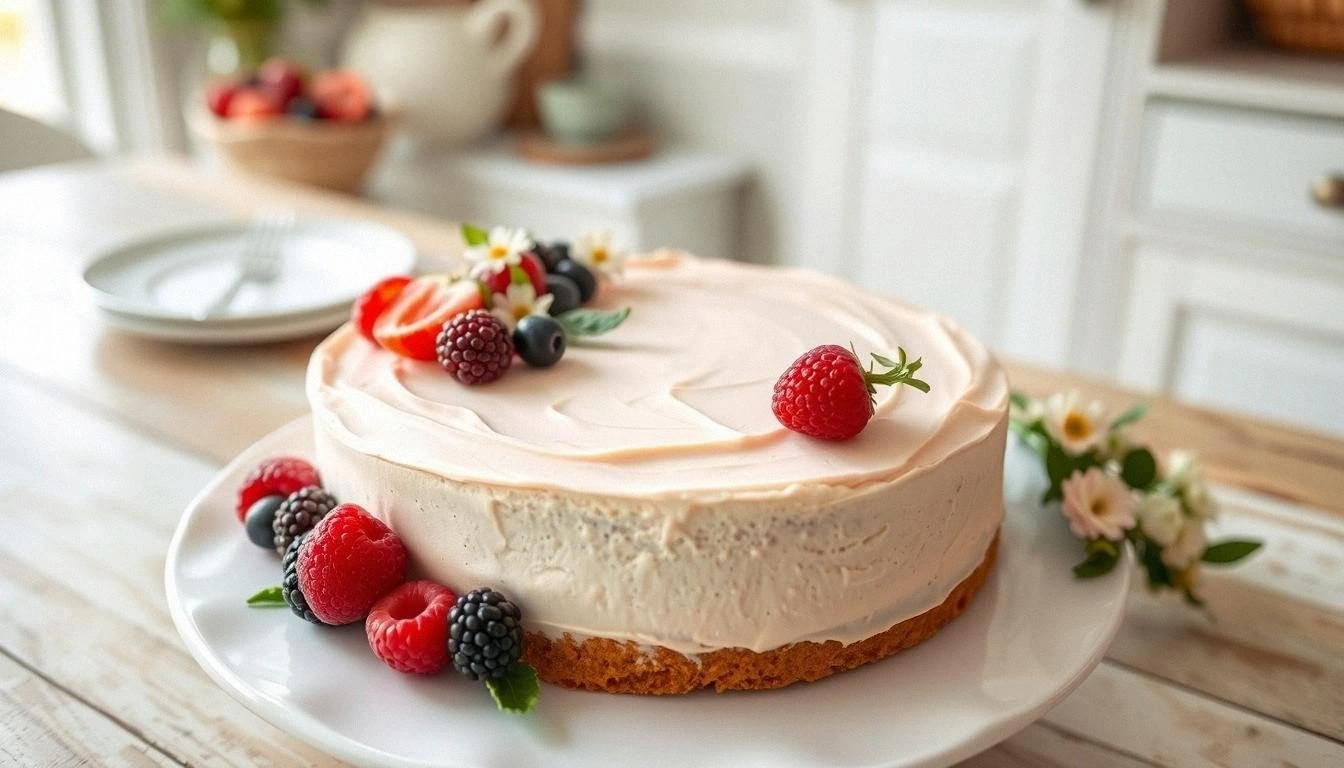
The Method — Step by Step
- Preheat and Prepare: Heat your oven to 325°F (163°C). Line a 9‑inch springform pan with parchment paper, then grease the paper lightly with butter or non‑stick spray. This simple prep ensures a clean release and a uniform crust. Don’t skip this step—it’s the foundation of a perfect cheesecake.
- Make the Crust: In a bowl, combine 1/4 cup all‑purpose flour, 2 tbsp melted butter, and a pinch of salt. Stir until the mixture resembles coarse crumbs. Press the dough firmly into the bottom of the pan, forming an even layer. Bake for 12 minutes, then let it cool slightly before adding the filling. The crust should be golden but not too dark.
- Blend the Cream Cheese: In a stand mixer, beat 2 cups of softened cream cheese on medium speed until smooth and creamy, about 2 minutes. This removes lumps and creates a silky base that won’t crack.
- Add Sugar and Vanilla: Gradually add 1 cup of granulated sugar, beating after each addition until the mixture is light and fluffy. Stir in 2 tsp of vanilla extract. The batter should be glossy and smooth. This step is crucial for achieving the right sweetness level.
- Incorporate Eggs: Add egg yolks one at a time, beating well after each addition. The batter should thicken slightly but remain pourable. Then fold in 4 egg whites, beaten to soft peaks, to give the cheesecake a light, airy structure. This delicate folding keeps the texture from becoming too dense.
- Finish with Dairy: Mix in 1 cup of heavy cream and 1 cup of sour cream, then fold in 1 tbsp of lemon zest and 2 tbsp of lemon juice. The citrus adds brightness, while the creams keep the filling moist and rich. Be careful not to overmix; you want a silky consistency.
- Pour and Bake: Pour the batter over the cooled crust, smoothing the top with a spatula. Tap the pan on the counter a few times to release any air bubbles. Bake for 45–50 minutes, or until the edges are set and the center still has a slight wobble. The top should have a subtle golden hue.
- Cool Slowly: Remove the cheesecake from the oven and let it cool in the pan on a wire rack for 1 hour. Then wrap the pan in foil and refrigerate for at least 4 hours, preferably overnight. Slow cooling prevents cracks and allows the flavors to meld.
- Glaze (Optional): Warm 1 tbsp of grape jelly or strawberry jam until it becomes pourable. Drizzle over the top, spreading it evenly. Let it set for 10 minutes before slicing. The glaze gives a glossy finish and a sweet contrast.
- Serve and Enjoy: Release the springform pan, slice with a warm, dry knife, and serve chilled. Pair with fresh berries or a drizzle of honey for an extra touch of elegance. Each bite is a burst of creamy, tangy, and slightly sweet flavor that will leave you craving more.
Insider Tricks for Flawless Results
The Temperature Rule Nobody Follows
Baking at a steady 325°F (163°C) is key. Many people double‑up the temperature to speed up baking, but this often leads to a cracked top and a dry interior. Keep the oven rack in the middle to ensure even heat distribution. If you’re using a convection oven, reduce the temperature by 25°F to avoid over‑baking.
Why Your Nose Knows Best
As the cheesecake bakes, the aroma will evolve from sweet to buttery. If you notice a strong, almost burnt scent, the oven is too hot. The scent is a reliable indicator of the perfect finish—soft, golden, and fragrant. Trust your nose; it’s the best judge of doneness.
The 5‑Minute Rest That Changes Everything
After you remove the cheesecake from the oven, let it sit in the pan for 5 minutes before placing it on the wire rack. This short rest allows the heat to redistribute evenly, preventing the edges from over‑cooking while the center cools. It’s a small step that yields a dramatic difference in texture.
The Butter‑Glazed Crust Trick
If you want a buttery crust that’s slightly crisp, brush melted butter over the crust after it cools. This gives it a golden sheen and a richer flavor that pairs beautifully with the creamy filling. It’s a simple addition that elevates the entire dessert.
The Chill‑Down Method
Once the cheesecake is fully cooled, wrap the pan in foil and refrigerate for at least 4 hours. This step ensures the filling sets properly and prevents cracks. If you’re short on time, you can use a 2‑hour chill, but the flavor integration will be less pronounced.
The Final Touch: Fresh Berries
Adding a handful of fresh berries on top of the glaze not only adds color but also a burst of freshness that cuts through the richness. Blueberries, raspberries, or a mix of seasonal fruits work best. This topping is optional but highly recommended for a balanced dessert.
Creative Twists and Variations
This recipe is a playground. Here are some of my favorite ways to switch things up:
Chocolate Swirl Delight
Fold 1/4 cup of melted dark chocolate into the batter after the eggs, creating a marbled effect. The chocolate adds depth and a bittersweet contrast to the sweet cream cheese. Serve with a dusting of cocoa powder for an extra touch.
Berry Burst Cheesecake
Add a layer of fresh berries between the crust and the batter, then top with a berry compote. The juicy berries provide a bright, tangy burst that complements the creamy filling. It’s perfect for a summer gathering.
Caramelized Banana Slice
Sauté sliced bananas in butter and brown sugar until caramelized. Spread them over the crust before pouring the batter. The sweet, buttery bananas add a tropical twist that pairs wonderfully with the lemon zest.
Espresso Infusion
Stir in 1 tbsp of strong espresso into the batter for a subtle coffee flavor. This works especially well when paired with a chocolate glaze. The espresso deepens the chocolate notes and adds an adult touch.
Almond Crumble Topping
Toast 1/2 cup of sliced almonds and sprinkle them over the top before glazing. The crunch adds texture and a nutty flavor that balances the richness. It’s an easy way to elevate a classic cheesecake.
Minty Freshness
Add a few fresh mint leaves into the batter or as a garnish. The mint’s coolness cuts through the sweetness, creating a refreshing finish. This variation is especially delightful during the warmer months.
Storing and Bringing It Back to Life
Fridge Storage
Wrap the cheesecake tightly in plastic wrap, then place it in an airtight container. Store in the refrigerator for up to 5 days. The cheesecake will remain moist and creamy, thanks to the high-fat content of the cream cheese.
Freezer Friendly
Wrap the cheesecake in two layers of plastic wrap, then place it in a freezer bag. It can be frozen for up to 2 months. When ready to serve, thaw overnight in the refrigerator to preserve the texture.
Best Reheating Method
To reheat, preheat your oven to 325°F (163°C). Place the cheesecake on a baking sheet and heat for 10–12 minutes until warmed through. Add a splash of water to the bottom of the pan to create steam, which helps keep the cheesecake moist and prevents it from drying out.