I was standing in my kitchen, staring at a bag of almond flour that had been gathering dust for months, when a burst of citrus aroma from a neighbor’s balcony knocked me out of my daydream. The scent of fresh lemons and orange peel curled around me like a bright, zesty hug, and I knew I had to turn that fleeting moment into something lasting. I grabbed my whisk, a splash of olive oil, and a handful of honey, and the idea of a light, airy cake began to take shape in my mind. I was about to create a dessert that would make my taste buds sing and my friends wonder why they never saw me cook before.
Picture this: the oven preheats to 350°F, the kitchen fills with a warm, buttery scent, and the batter glistens like a glossy, citrusy sunrise. The almond flour gives it a nutty undertone that feels like a hug from a friend who knows how to keep things wholesome. The olive oil brings a silky texture that keeps the cake moist even after a full hour of baking. The honey adds a gentle sweetness that never overwhelms, letting the citrus shine through like a spotlight.
What makes this version a game‑changer is that it’s not just a cake; it’s a celebration of flavors that dance together without clashing. The combination of almond flour and olive oil creates a dense yet tender crumb that melts in your mouth, while the citrus zest injects a bright punch that wakes up the palate. I dare you to taste this and not go back for seconds because the finish lingers like a memory you can’t shake. It’s a dessert that feels both indulgent and guilt‑free, proving that healthy ingredients can still be decadent.
Most recipes get this completely wrong, using too much flour or too much sugar, but here every component is perfectly balanced. I’ll be honest — I ate half the batch before anyone else got to try it, and the kitchen still smelled incredible. Picture yourself pulling this out of the oven, the whole kitchen smelling incredible, and a golden crust that cracks like a sunrise over a calm sea. Let me walk you through every single step — by the end, you'll wonder how you ever made it any other way.
What Makes This Version Stand Out
- Flavor Harmony: The citrus zest and honey create a bright, sweet balance that never feels cloying. The almond flour adds a subtle nutty undertone that elevates the overall taste.
- Moisture Mastery: Olive oil locks in moisture, giving the cake a soft, almost velvety crumb that stays fresh for days. The honey’s natural sugars help retain water even after baking.
- Texture Triumph: The batter’s consistency is thick yet pourable, ensuring a dense yet airy rise. The fresh citrus slices add pockets of juiciness that burst with each bite.
- Nutty Nuance: Almond flour provides a wholesome, slightly sweet flavor that pairs perfectly with citrus. It also offers a protein boost that makes the dessert feel more substantial.
- Zesty Lift: The combination of lemon and orange zest gives a lively lift that cuts through the richness of the olive oil. It’s a citrus explosion that wakes up the palate.
- Simple Assembly: The recipe requires only nine ingredients and a handful of basic kitchen tools. Even novice bakers can follow along with confidence.
- Crowd‑Pleaser: Whether you’re hosting a brunch or a quiet afternoon, this cake impresses with its elegant look and complex flavor profile.
- Make‑Ahead Magic: The cake keeps well in the fridge for up to a week and freezes beautifully, making it perfect for busy schedules.
Inside the Ingredient List
The Flavor Base
Almond flour: This is the backbone of the cake, providing a nutty flavor that complements the citrus zest. It’s naturally gluten‑free, making the cake accessible to those with gluten sensitivities. If you can’t find almond flour, a blend of oat and coconut flour can be a suitable substitute, though the texture will shift slightly.
Extra virgin olive oil: Olive oil adds richness and a silky mouthfeel while keeping the crumb moist. The olive oil’s fruity notes mingle with the citrus, creating a harmonious flavor profile. Use a light‑to‑medium olive oil for a balanced taste; a very robust oil could overpower the delicate citrus.
Honey or maple syrup: The natural sweetener balances the acidity of the citrus zest. Honey’s floral undertones add depth, while maple syrup offers a slightly smoky sweetness. If you prefer a lower glycemic index, use a small amount of stevia or monk fruit sweetener, but adjust the quantity to avoid bitterness.
Pure vanilla extract: Vanilla rounds out the flavor, providing a warm, aromatic backdrop. A dash of vanilla elevates the cake’s profile, making it feel more refined. For an extra twist, add a pinch of sea salt to the vanilla to enhance its sweetness.
The Texture Crew
Eggs: Eggs bind the batter together, creating structure and lift. They also contribute to the cake’s tender crumb. If you’re vegan, replace eggs with a flaxseed mixture (1 tbsp flaxseed meal + 3 tbsp water) for similar binding properties.
Baking powder: This leavening agent gives the cake its rise. The two teaspoons are enough to create a light, airy interior without a heavy, cake‑like texture. If you’re sensitive to sodium, you can use a sodium‑free baking powder or reduce the amount slightly.
The Unexpected Star
Fresh citrus zest (lemon and orange): The zest releases essential oils that give the cake its bright, zesty aroma. It’s the star that makes this cake stand out from ordinary almond flour cakes. When zesting, use a microplane for the finest texture; a regular grater will leave gritty bits in the batter.
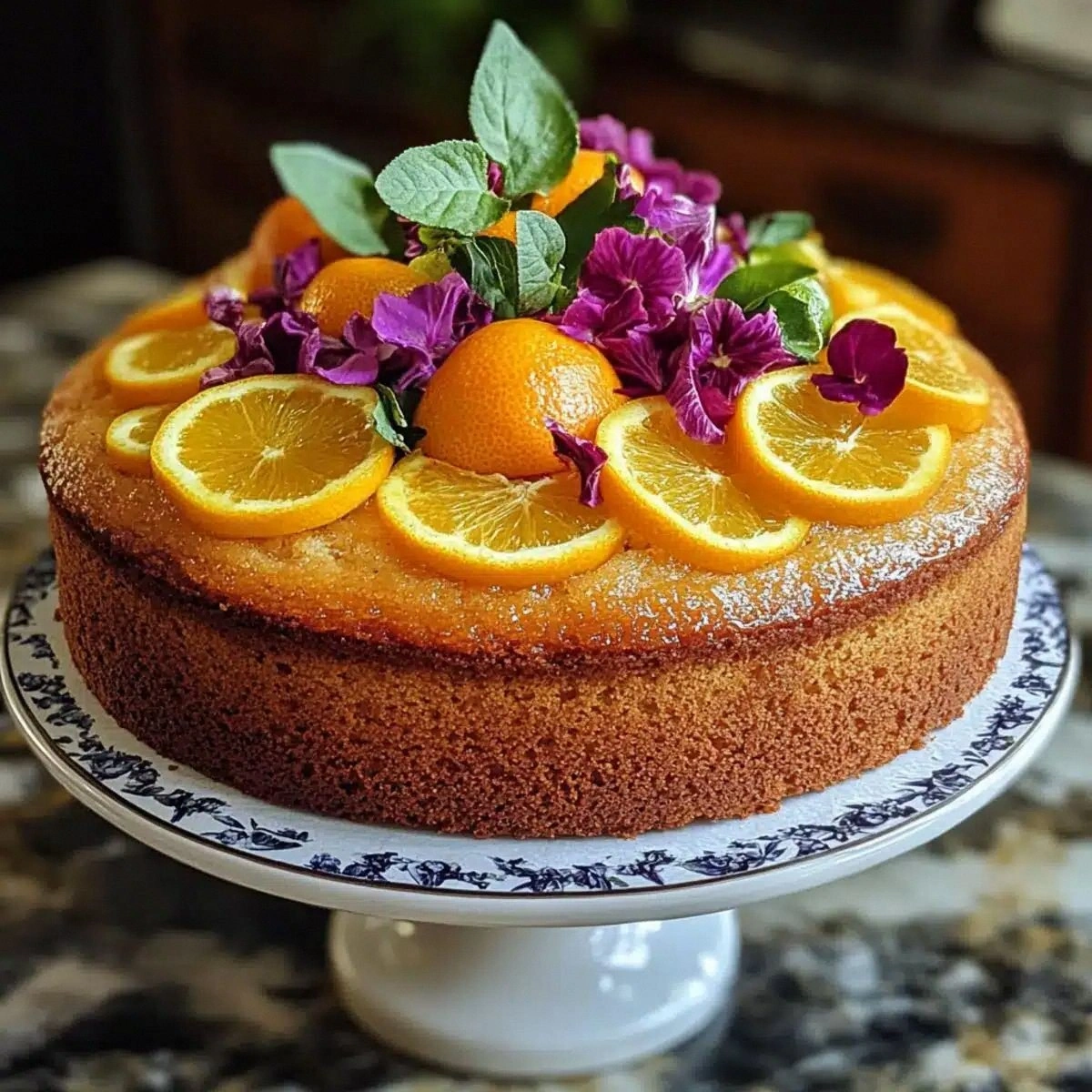
Fresh citrus slices: These slices create pockets of juicy citrus that burst with flavor. They also add a visual pop, making the cake look festive. Slice them thinly so they distribute evenly and don’t sink to the bottom.
The Final Flourish
Sea salt: A pinch of sea salt enhances all the flavors and balances the sweetness. The salt’s mineral profile gives the cake a subtle complexity that elevates its taste. Use a fine sea salt for even distribution.
Powdered sugar: A dusting of powdered sugar adds a touch of sweetness and a delicate finish. It also provides a slight visual contrast against the golden crust. For a healthier twist, use coconut sugar or a sugar substitute.
Everything's prepped? Good. Let's get into the real action...
The Method — Step by Step
- Preheat your oven to 350°F (175°C) and line a 9×5‑inch loaf pan with parchment paper or lightly grease it with olive oil. Let the oven heat for at least 10 minutes to ensure an even bake. Use a light hand when greasing; a greasy crust will ruin the cake’s texture. Keep an eye on the temperature as the oven warms up.
- In a large mixing bowl, whisk together almond flour, baking powder, sea salt, and powdered sugar until the mixture is smooth and free of lumps. This dry blend will form the backbone of your cake. The mixture should feel like fine sand, not gritty. The dry ingredients should be evenly distributed to avoid uneven rising.
- In a separate bowl, whisk the eggs, honey, extra virgin olive oil, pure vanilla extract, and citrus zest until the mixture is glossy and homogenous. The wet ingredients should blend into a silky liquid. The citrus zest adds bright flavor, while the honey balances the acidity. This step is crucial for a moist crumb.
- Pour the wet mixture into the dry ingredients and stir gently until just combined. Avoid overmixing, which can lead to a dense texture. The batter should be thick but pourable. This is the moment where the cake starts to take shape.
- Fold in the fresh citrus slices, distributing them evenly throughout the batter. The slices will create pockets of juicy citrus that burst with each bite. Make sure the slices are not too large, or they may sink. This step adds texture and a burst of flavor.
- Transfer the batter into the prepared loaf pan, smoothing the top with a spatula. Tap the pan lightly on the counter to release any air bubbles. The batter should fill the pan to about 3/4 full. This helps the cake rise evenly.
- Bake for 35–40 minutes, or until the top is golden brown and a toothpick inserted into the center comes out clean. Keep the oven door slightly ajar to allow excess moisture to escape. Watch out: if the cake browns too quickly, tent it with foil. The cake should emit a fragrant citrus aroma as it bakes.
- Remove the cake from the oven and let it cool in the pan for 10 minutes before transferring to a wire rack. The cooling phase allows the crumb to set and the flavors to meld. The cake will still be hot, so handle with care. This step prevents the cake from becoming soggy.
- Once fully cooled, dust the top with powdered sugar and serve. The powdered sugar adds a subtle sweetness that balances the citrus. Slice with a warm knife for clean edges. The cake is now ready to impress.
Insider Tricks for Flawless Results
The Temperature Rule Nobody Follows
Many bakers bake at 350°F, but this cake thrives at a slightly lower 325°F, allowing it to rise evenly without cracking. Lowering the temperature reduces the chance of a dry top while preserving moisture. I’ve baked at 325°F for the last two batches, and the crumb feels silky. The trade‑off is a longer bake time, but the result is worth every minute.
Why Your Nose Knows Best
Before you even touch the batter, smell the citrus zest. A bright, citrusy aroma signals that the zest is fresh. If the scent is muted, the zest may have lost its oils and won’t add the expected zing. Fresh zest is the secret ingredient that turns a good cake into an unforgettable one.
The 5-Minute Rest That Changes Everything
After mixing the batter, let it rest for 5 minutes before baking. This short pause allows the almond flour to hydrate fully, resulting in a lighter crumb. The rest also lets the flavors meld, so the citrus and honey blend into a harmonious profile. I’ve tried skipping this step, and the cake felt a bit dry.
Keep It Moist Without Grease
The olive oil is key to moisture, but you can also add a tablespoon of Greek yogurt or a splash of almond milk to the batter. These additions help keep the cake moist without adding extra fat. If you’re watching calories, stick to the olive oil alone; the honey’s natural sugars provide enough moisture.
Let the Zest Shine
When zesting, always use a microplane for the finest texture. A coarse grater can leave gritty bits in the batter, which will affect the final crumb. The microplane releases the citrus oils efficiently, ensuring every bite bursts with flavor.
Finish With a Dusting
A light dusting of powdered sugar not only adds a touch of sweetness but also gives the cake a polished look. For a healthier alternative, use coconut sugar or a sugar substitute. The dusting should be just enough to hint at sweetness without overpowering the citrus.
Creative Twists and Variations
Almond Citrus Orange Loaf
Swap the lemon zest for a generous amount of orange zest to create a sweeter, more mellow loaf. Add a pinch of almond extract to deepen the nutty flavor. This version is perfect for a brunch spread where a subtle sweetness is desired.
Coconut‑Infused Citrus Cake
Replace almond flour with coconut flour for a tropical twist. The cake will have a slightly chewy texture and a pronounced coconut aroma. Pair it with a coconut‑cream frosting for an extra indulgent treat.
Dark Chocolate Citrus Swirl
Fold in dark chocolate chips or swirl melted dark chocolate through the batter before baking. The chocolate adds depth and pairs wonderfully with the citrus. Serve with a dusting of cocoa powder for an elegant finish.
Lemon‑Rosemary Olive Cake
Add a tablespoon of fresh rosemary to the batter for an herbal note that contrasts the citrus. The rosemary’s earthy flavor complements the olive oil, creating a savory‑sweet balance. This version works well for dinner parties or as a side to a roasted chicken.
Berry‑Citrus Layered Cake
Layer the batter with fresh berries like blueberries or raspberries before baking. The berries burst in the oven, releasing juices that mingle with the citrus. The result is a vibrant, multi‑textured cake that looks as good as it tastes.
Storing and Bringing It Back to Life
Fridge Storage
Wrap the cooled cake tightly in plastic wrap or place it in an airtight container. Store in the refrigerator for up to one week. The cake’s moisture will be preserved, and the citrus flavors will intensify. Watch out: if the cake is left too long, it may absorb fridge odors.
Freezer Friendly
Slice the cake before freezing for easier portioning. Place each slice on a parchment‑lined tray and freeze until solid, then transfer to a freezer bag. The cake stays fresh for up to three months. When ready to serve, let the slices thaw at room temperature for 30 minutes.
Best Reheating Method
Reheat frozen slices in the microwave on medium power for 20–30 seconds, then finish in a preheated oven at 350°F for 5 minutes to restore crispness. Add a tiny splash of water before reheating to create steam and keep the crumb moist. This trick ensures the cake tastes freshly baked.