I remember the night my kitchen turned into a battlefield, the air thick with the scent of burnt garlic and a half‑cooked ramen packet that had been left too long in the microwave. The moment the steam curled up like a ghostly wisp, I swore I’d never again rely on a bag of instant noodles for dinner. Instead, I dove into the world of ramen as a serious chef, hunting for a recipe that would elevate the humble noodle into a bowl of comfort that could win over even the most skeptical palate. That quest birthed the version you’re about to discover—an Easy Ramen Noodle Soup that’s as simple as it is sensational.
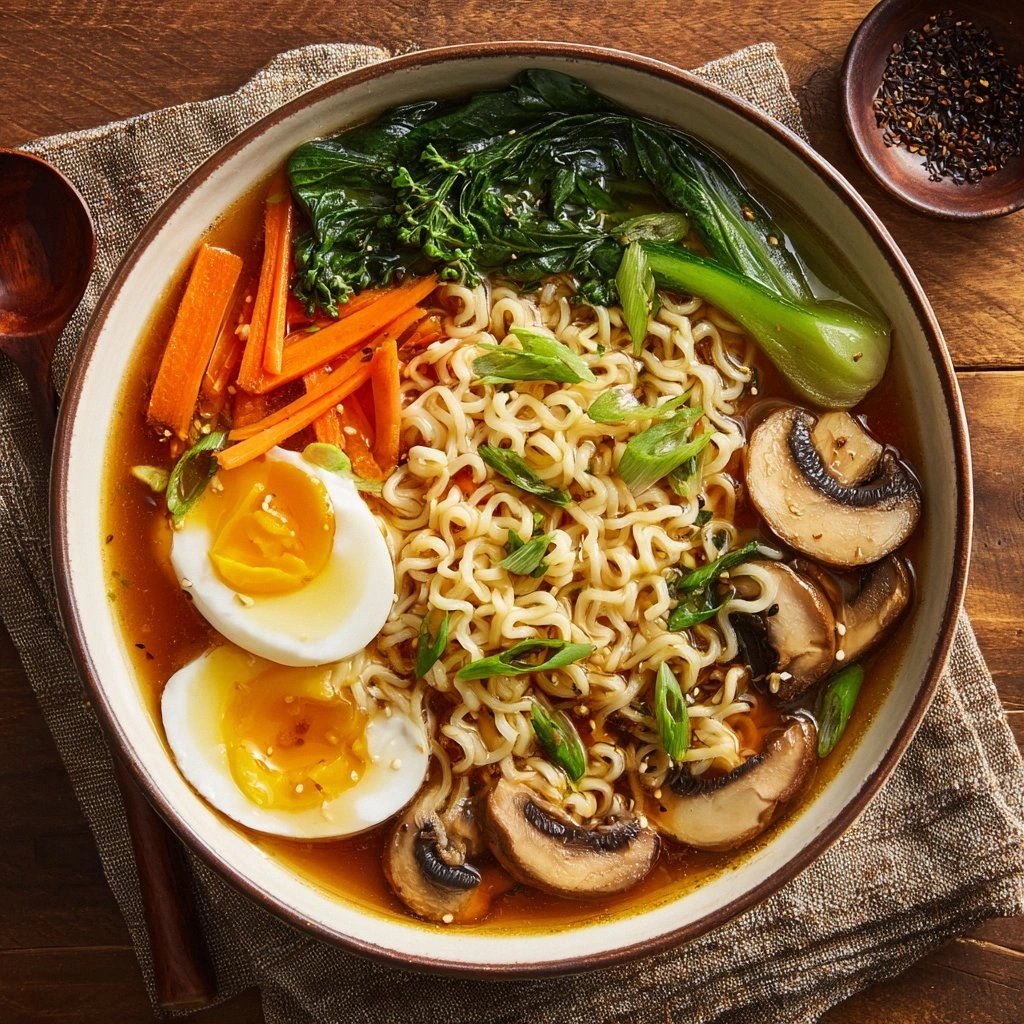
Picture this: a pot of broth simmering, the hiss of onions sautéing, a splash of miso that turns the liquid into a golden umami potion, and the gentle clatter of a spoon stirring in a perfectly soft‑boiled egg. The aroma rises, rich with toasted sesame, garlic, and a whisper of chili—so inviting it could make a seasoned foodie pause mid‑sentence. The sight of fresh scallions and a sprinkle of toasted sesame seeds adds a pop of color, while the texture of the noodles—neither too chewy nor too limp—creates a satisfying bite that feels like a hug in a bowl. Every element works in harmony, making this bowl of ramen more than just a meal; it’s an experience.
What sets this version apart isn’t just the ingredient list; it’s the way each component is layered to build depth and balance. I’ve trimmed the recipe down to its essentials so you can whip it up in less than an hour, yet each step is crafted to unlock flavors that would otherwise be lost in a generic instant noodle bowl. From the precise timing of the broth to the delicate finish of a soft‑boiled egg, every detail is honed to perfection. I dare you to taste this and not go back for seconds—once you’ve tried it, the original will feel like a distant memory.
This isn’t just another ramen recipe; it’s a declaration that you can create restaurant‑quality comfort food from the comfort of your own kitchen. The technique of simmering the broth with aromatics, the subtle addition of miso for depth, and the final flourish of toasted sesame seeds elevate the dish from ordinary to unforgettable. Picture yourself pulling this out of the stove, the whole kitchen smelling incredible, and friends gathering around the table, eyes wide with anticipation. Let me walk you through every single step—by the end, you’ll wonder how you ever made it any other way.
What Makes This Version Stand Out
- Flavor: A broth that balances savory, sweet, and umami notes, thanks to a blend of chicken stock, miso, and a touch of soy sauce. The result is a complex, layered taste that feels both comforting and sophisticated.
- Texture: Noodles cooked to al dente perfection—firm yet tender—paired with a silky egg yolk that coats the strands like velvet.
- Convenience: Every step can be completed in under 30 minutes, making it ideal for weeknight dinners or a last‑minute gathering.
- Ingredient Quality: Using fresh aromatics and a good‑quality miso elevates the dish, turning simple pantry staples into a gourmet experience.
- Visual Appeal: The bright green scallions, the golden broth, and the glossy egg create a bowl that looks as good as it tastes.
- Crowd‑Pleaser: Even the most skeptical eater will be won over by the balanced flavors and comforting warmth.
- Make‑Ahead Friendly: The broth can be prepared a day ahead, and the noodles can be cooked just before serving, ensuring maximum freshness.
- Versatility: Swap in tofu, shrimp, or any protein of choice without compromising the integrity of the dish.
Alright, let's break down exactly what goes into this masterpiece. And before we dive deeper, here’s a quick kitchen hack that will save you time and elevate the flavor.
Inside the Ingredient List
The Flavor Base
At the heart of this ramen is a broth that carries the soul of the dish. Start with 4 cups of high‑quality chicken stock; the richer the stock, the more depth you’ll feel in each sip. Add 2 tablespoons of soy sauce for that salty kick, and 1 tablespoon of miso paste for a mellow, earthy sweetness that lingers on the tongue. If you’re feeling adventurous, a teaspoon of rice vinegar can brighten the broth, cutting through the richness without overpowering it.
The aroma begins to unfurl when you introduce minced garlic and ginger. Two cloves of garlic, finely minced, bring a sharp, sweet undertone, while a one‑inch piece of ginger, also minced, adds a subtle heat and a citrusy brightness. Together, they form a fragrant foundation that elevates the broth from simple to sublime. Skipping either will leave the dish feeling flat and one‑dimensional.
For an extra layer of complexity, stir in 1 teaspoon of chili flakes. The heat is gentle enough to keep the dish approachable for all palates, yet it adds a subtle warmth that dances on the back of the throat. If you’re not a fan of heat, simply leave it out; the broth will still shine on its own.
Lastly, a splash of sesame oil—just one tablespoon—imbues the broth with a nutty aroma that lingers, making each spoonful a little more indulgent. The sesame oil’s subtlety ensures it doesn’t overpower the other flavors, but it’s a crucial component that ties everything together.
The Texture Crew
The noodles are the canvas of this dish. Use two packs of fresh ramen noodles, which you’ll cook in boiling water until they’re just al dente—about 2 to 3 minutes. Fresh noodles absorb the broth better than dried ones, giving each strand a silky, chewy bite that’s hard to replicate with instant varieties.
Soft‑boiled eggs are the star of the show. Boil the eggs for 6 minutes, then shock them in ice water to stop the cooking process. The yolk should be slightly runny, creating a rich, velvety center that contrasts beautifully with the broth’s clarity. The whites are firm enough to hold their shape, making each bite a delightful contrast of textures.
Vegetables add both nutrition and crunch. Slice one cup of shiitake mushrooms and one cup of bok choy or spinach. The mushrooms bring an earthy umami, while the bok choy adds a crisp, slightly sweet bite that brightens the dish. If you prefer a lighter version, swap bok choy for spinach and reduce the mushrooms to half a cup.
Scallions and toasted sesame seeds finish the ensemble. Chop a quarter cup of scallions for a fresh, oniony note, and sprinkle one tablespoon of toasted sesame seeds for a nutty crunch that echoes the sesame oil in the broth. These toppings elevate the dish visually and add a final burst of flavor.
The Unexpected Star
A small pinch of sugar—or a teaspoon of honey—balances the acidity of the vinegar and the saltiness of the soy sauce. This subtle sweetness prevents the broth from feeling overly sharp or bitter, creating a harmonious flavor profile that lingers pleasantly on the palate.
If you’re in the mood for a smoky twist, add a teaspoon of smoked sea salt or a splash of liquid smoke to the broth. This optional ingredient introduces a deep, savory undertone that pairs wonderfully with the miso and soy sauce. It’s a subtle nod to the smoky flavors of a grill, but without the need for a smoker.
Remember that every ingredient has a purpose. Skipping the miso, for instance, will strip the broth of its earthy depth, while omitting the sesame oil will leave it feeling flat. Each component is carefully chosen to build layers of flavor that culminate in a bowl of ramen that feels both comforting and refined.
Everything's prepped? Good. Let's get into the real action.
The Method — Step by Step
- Begin by heating a medium saucepan over medium heat. Add the sesame oil, then sprinkle in the dried chili flakes. Let them sizzle for 30 seconds until fragrant, then add the minced garlic and ginger. This step is crucial; the aromatics need to release their oils fully before the broth is added.
- Pour in the 4 cups of chicken stock, followed by 2 tablespoons of soy sauce and 1 tablespoon of miso paste. Stir until the miso dissolves completely, creating a smooth, golden broth. The color of the liquid is a good indicator—if it’s too pale, add a bit more miso.
- Add the sliced shiitake mushrooms and bok choy to the pot. Let the mixture simmer for 3 minutes, allowing the vegetables to soften while retaining their bright colors. The mushrooms should release their juices, enriching the broth.
- While the broth simmers, cook the ramen noodles in a separate pot of boiling water for 2 to 3 minutes, or until they’re just al dente. Drain and set aside, reserving a splash of the cooking water for later.
- In a small saucepan, bring 2 cups of water to a rolling boil. Carefully lower the eggs into the water using a slotted spoon. Boil for 6 minutes for a slightly runny yolk. Immediately transfer the eggs to a bowl of ice water to halt the cooking process.
- Slice the chilled eggs into halves or quarters, depending on your preference. The yolk should remain creamy and slightly runny, creating a silky contrast to the broth.
- Add the cooked noodles to the simmering broth, stirring gently to coat them evenly. If the broth seems too thick, add a splash of the reserved noodle water to reach the desired consistency. The noodles should absorb the flavors without becoming mushy.
- Turn off the heat and ladle the soup into bowls. Arrange the sliced eggs on top, then sprinkle with sliced scallions and toasted sesame seeds. Drizzle a tiny amount of rice vinegar for a bright, acidic finish.
- Serve immediately, allowing the broth to stay hot and the noodles to remain pleasantly chewy. Encourage guests to stir the soup before eating, ensuring every bite is infused with the savory broth and the silky egg.
- If you prefer a spicier kick, add a pinch of chili oil or a few drops of sriracha after the broth has been ladled. This final touch will transform the dish from comforting to fiery in an instant.
That's it—you did it! But hold on, I've got a few more tricks that'll take this to another level. Stick with me, and we’ll unlock the secrets that turn a good bowl into a great one.
Insider Tricks for Flawless Results
The Temperature Rule Nobody Follows
Many home cooks think that a high simmer is always best, but for ramen, a gentle low‑heat simmer preserves the delicate flavors and keeps the broth clear. Keep the pot just below boiling, and stir occasionally. This prevents the broth from developing a cloudy appearance and ensures the noodles stay tender.
Why Your Nose Knows Best
Before you add the miso, let the broth rest for a minute. The aroma will deepen, signaling that the flavors have blended. If the broth still smells too sharp, let it sit a bit longer; the scent will mellow, and the taste will balance.
The 5‑Minute Rest That Changes Everything
After you ladle the soup, let the bowl rest for 5 seconds before taking the first sip. This brief pause allows the broth to settle, letting the flavors fully marry. It’s a small but impactful step that elevates the entire experience.
Keep the Egg Centered
When slicing the boiled egg, use a sharp knife and a steady hand. A clean, even slice keeps the yolk intact and creates a beautiful, creamy center that contrasts with the broth. A jagged cut can cause the yolk to leak, ruining the visual appeal.
Add a Splash of Water Before Reheating
If you’re reheating leftover soup, add a splash of water or broth before microwaving. This prevents the broth from drying out and restores its silky texture. The noodles will also rehydrate, keeping them from becoming rubbery.
Creative Twists and Variations
This recipe is a playground. Here are some of my favorite ways to switch things up:
Spicy Sriracha Kick
Add a tablespoon of sriracha to the broth for a fiery punch. The heat will dance on the back of your throat, complementing the richness of the miso and the creaminess of the egg. Perfect for those who love a little heat.
Vegan Power Bowl
Swap the chicken stock for a vegetable broth, use tofu instead of eggs, and add sliced shiitake and spinach. The miso still provides umami, while the tofu adds protein. This version is hearty, healthy, and absolutely satisfying.
Seafood Sensation
Incorporate shrimp or scallops into the broth during the last minute of simmering. The seafood’s natural sweetness will mingle with the broth, creating a luxurious flavor profile. Serve with a squeeze of lime for an extra zing.
Kimchi Fusion
Stir in a handful of chopped kimchi for a tangy, fermented twist. The acidity cuts through the richness, while the spicy notes add depth. This version is a Korean‑inspired homage that will surprise and delight.
Miso‑Glazed Pork Belly
Slow‑cook pork belly in a miso glaze until it’s tender and caramelized. Slice the pork and nestle it on top of the noodles before serving. The savory pork adds a luxurious texture and a burst of flavor.
Storing and Bringing It Back to Life
Fridge Storage
Cool the soup completely before transferring it to an airtight container. Store in the refrigerator for up to 3 days. The broth will thicken slightly, so add a splash of water when reheating to restore its original consistency.
Freezer Friendly
Separate the broth from the noodles before freezing. Freeze the broth in a freezer‑safe container for up to 2 months. Reheat the broth on the stove, then add freshly cooked noodles just before serving to maintain texture.
Best Reheating Method
When reheating leftovers, add a tablespoon of water or broth to the pot, then heat on low until steaming. Stir occasionally to prevent sticking. The noodles will reheat quickly, and the broth will regain its silky texture.