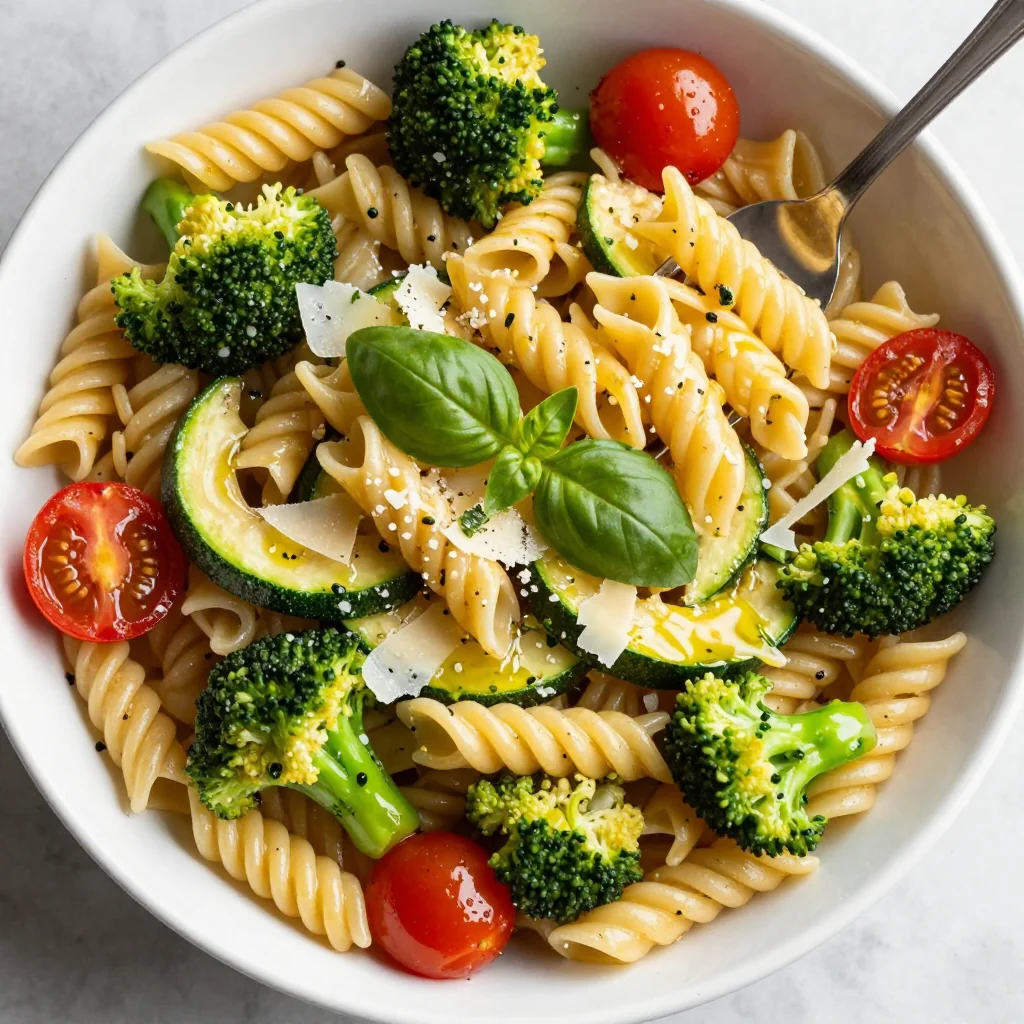
Love this? Pin it for later! 📌
What started as a desperate attempt to get more vegetables into my picky eaters has evolved into the most requested weeknight dinner in our rotation. The beauty of this recipe lies in its simplicity: perfectly al dente pasta tossed with an ever-changing rainbow of seasonal vegetables, all united by a light, garlicky sauce that tastes like spring in a bowl. In just 25 minutes, you can transform whatever vegetables are calling your name at the market—or lurking in your crisper drawer—into a restaurant-worthy meal that somehow feels both elegant and deeply comforting.
Why This Recipe Works
- One-Pot Wonder: The pasta cooks while the vegetables sauté, meaning dinner hits the table in under 30 minutes with minimal cleanup.
- Seasonally Adaptable: Swap vegetables based on what's fresh and affordable—this recipe is a master template, not a rigid rulebook.
- Kid-Approved Vegetables: The quick cooking method keeps vegetables bright and slightly crisp, winning over even vegetable-skeptical little ones.
- Light Yet Satisfying: Olive oil-based sauce coats every noodle without the heaviness of cream-based primavera versions.
- Meal-Prep Friendly: Components can be prepped ahead, making this perfect for busy weeknights or entertaining.
- Budget-Conscious: Uses inexpensive pasta as the base while stretching smaller amounts of premium vegetables.
- Vitamin-Packed: Each serving delivers 3-4 servings of vegetables without feeling like you're eating rabbit food.
Ingredients You'll Need
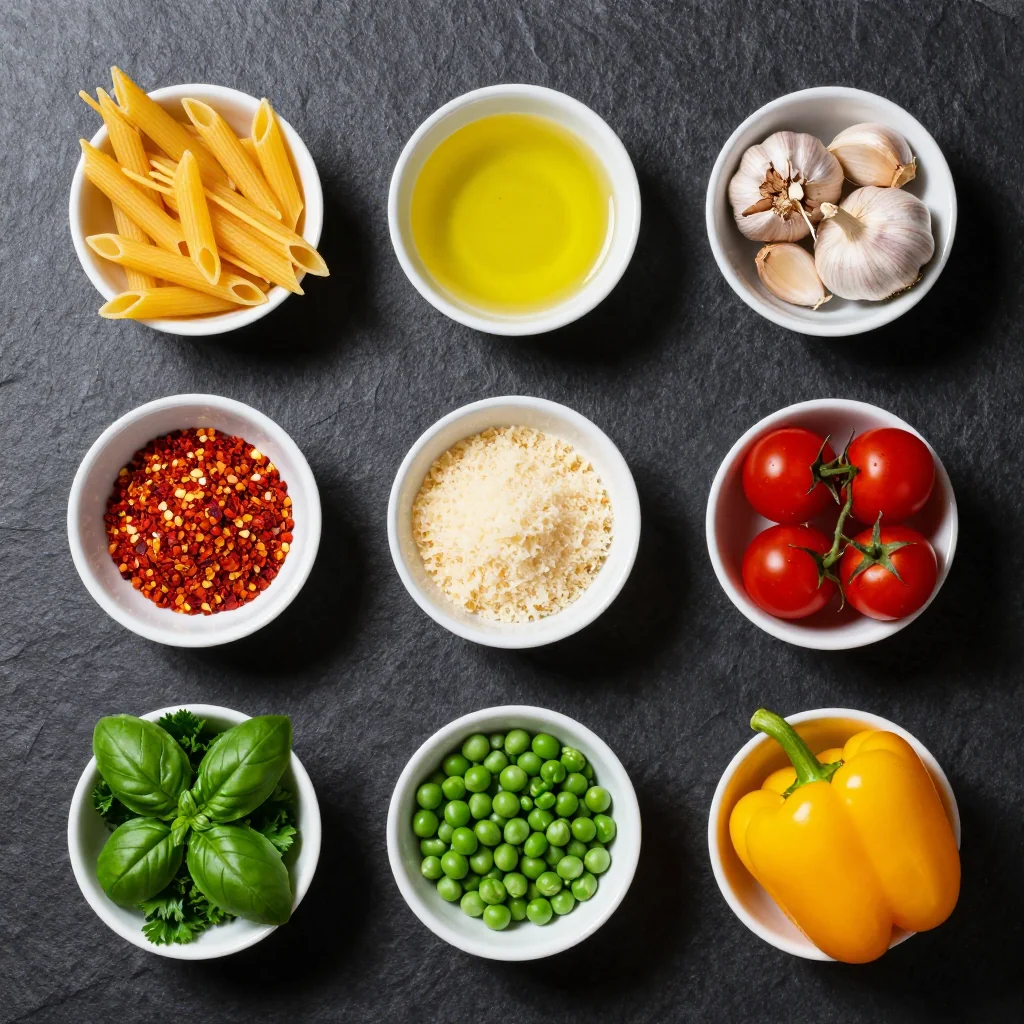
The secret to exceptional Pasta Primavera lies in the quality of your ingredients. When vegetables are treated with respect and cooked just enough to intensify their natural flavors, they need little more than good olive oil, aromatic garlic, and bright lemon to shine. Here's what to look for at the market:
Pasta Selection
While traditional primavera often uses long pasta, I've found that short pasta shapes capture the vegetables better—think penne, farfalle, or fusilli. Their nooks and crannies cradle the tiny bits of vegetables and aromatics, ensuring every bite is perfectly balanced. Look for bronze-cut pasta if available; the rough surface helps sauce adhere beautifully. Gluten-free brown rice or chickpea pasta works wonderfully here without compromising texture.
Spring Vegetables
The beauty of primavera lies in its flexibility, but certain vegetables create the quintessential spring experience. Asparagus should be bright green with tightly closed tips—avoid any with flowering tops or slimy spots. Bell peppers add sweetness; choose firm specimens with glossy skin. Sugar snap peas should snap crisply when bent, indicating freshness. For zucchini, smaller specimens have fewer seeds and denser texture.
Aromatics and Seasonings
Seek out garlic with firm, plump cloves free from green shoots, which indicate age and bitterness. Fresh basil should smell intensely aromatic with no dark spots. When selecting lemons, choose heavy fruits with thin, smooth skin—they'll be juicier than their thick-skinned counterparts. For the olive oil, a good-quality extra-virgin oil makes a noticeable difference; look for dark bottles that protect against light degradation.
Cheese and Protein Options
Traditional primavera includes Parmesan, but Pecorino Romano adds delightful sharpness. For vegetarian versions, ensure your cheese uses vegetable rennet. Pine nuts toast quickly and add luxurious richness, but toasted almonds or pumpkin seeds work for nut-free versions. To make this a complete meal, consider adding grilled chicken, shrimp, or white beans.
How to Make Easy Weeknight Pasta Primavera with Fresh Veggies
Prep Your Vegetables Strategically
Start by washing and drying all vegetables thoroughly—excess water will steam rather than sauté your vegetables. Snap the woody ends off the asparagus (they'll naturally break at the right spot), then cut into 1-inch pieces on the bias for elegant presentation. Halve the sugar snap peas diagonally, slice the bell pepper into thin strips, and cut the zucchini into half-moons. Mince the garlic finely and set aside with the cherry tomatoes (kept whole to prevent them from becoming mushy).
Start the Pasta Water
Fill your largest pot with 4 quarts of water, add 3 tablespoons of kosher salt (it should taste like the sea), and bring to a rolling boil over high heat. Properly salted water is crucial—it seasons the pasta from the inside out. While waiting for the boil, place a large skillet over medium heat for the vegetables.
Begin the Vegetable Symphony
Add 3 tablespoons of olive oil to the heated skillet, swirling to coat the surface evenly. When the oil shimmers but doesn't smoke, add the bell peppers and asparagus. Sauté for 3 minutes, stirring occasionally, until the vegetables begin to soften and develop light golden edges. The key is maintaining medium heat—too high and the vegetables will brown before cooking through; too low and they'll become soggy.
Add the Pasta to Boiling Water
Once your water reaches a rolling boil, add the pasta and stir immediately to prevent sticking. Cook according to package directions for al dente, stirring occasionally. Before draining, reserve 1 cup of the starchy pasta water—this liquid gold will help create a silky sauce that clings to every noodle and vegetable.
Layer in Remaining Vegetables
To the skillet with the partially cooked vegetables, add the zucchini and sugar snap peas. Season with 1/2 teaspoon salt and 1/4 teaspoon black pepper. Sauté for another 3 minutes, then add the garlic and cook for just 30 seconds until fragrant. Garlic burns quickly and becomes bitter, so have your tomatoes ready to add immediately.
Create the Light Sauce
Add the cherry tomatoes, 1/4 cup of the reserved pasta water, and the lemon zest to the skillet. The water will create steam to cook the tomatoes while picking up the flavorful browned bits from the pan bottom. Cook for 2 minutes until the tomatoes begin to soften and release their juices but still hold their shape.
Marry Pasta and Vegetables
Drain the pasta and immediately add it to the skillet with the vegetables. Add the lemon juice, remaining 2 tablespoons of olive oil, and half of the grated cheese. Toss vigorously with tongs for 1 minute, adding pasta water a tablespoon at a time until everything is glossy and well-coated. The pasta should look slightly saucy—it will continue to absorb liquid as it sits.
Final Touches and Serving
Remove from heat and stir in the fresh basil and toasted pine nuts. Taste and adjust seasoning with additional salt, pepper, or lemon juice as needed. Serve immediately in warmed bowls, topped with the remaining cheese and an extra drizzle of olive oil. Pass additional cheese at the table for those who like it extra cheesy.
Expert Tips
Temperature Control is Key
Maintain medium heat throughout cooking. High heat will brown vegetables before they cook through, while low heat makes them release water and become soggy. Your vegetables should sizzle gently when they hit the pan.
Pasta Water Magic
The starchy pasta water is your secret weapon for creating a silky sauce that clings to every noodle. Add it gradually—you can always add more, but you can't take it out once it's in.
Prep Timing Strategy
Start your pasta water first—it always takes longer than expected to boil. While waiting, prep your vegetables in order of cooking time, keeping each in separate piles for easy addition.
Color Considerations
Choose vegetables in a rainbow of colors for visual appeal. The contrast between green asparagus, red peppers, yellow squash, and purple onion makes the dish as beautiful as it is delicious.
Fresh Herb Timing
Add delicate herbs like basil at the very end to preserve their vibrant color and flavor. Hardier herbs like thyme or rosemary can be added earlier with the vegetables.
Vegetable Size Matters
Cut vegetables into sizes proportional to your pasta shape—small penne pairs well with diced vegetables, while bowties work beautifully with thin vegetable strips.
Variations to Try
Autumn Harvest Version
Swap spring vegetables for butternut squash cubes, Brussels sprout leaves, and kale. Add sage instead of basil and finish with toasted hazelnuts for a cozy fall meal.
seasonalProtein-Packed Power Bowl
Add a can of drained white beans or grilled chicken breast during the final tossing step. This transforms the side dish into a complete, satisfying meal.
high-proteinCreamy Without the Cream
Stir in a spoonful of mascarpone or Greek yogurt with the pasta water for a creamy version that's still lighter than traditional cream-based primavera.
indulgentSpicy Mediterranean Twist
Add red pepper flakes with the garlic, swap basil for oregano, and include Kalamata olives and sun-dried tomatoes. Finish with feta instead of Parmesan.
spicyStorage Tips
Refrigeration Guidelines
Store cooled leftovers in an airtight container for up to 3 days. The vegetables will continue to soften, so this is best enjoyed fresh. Reheat gently with a splash of water or broth to restore moisture.
Freezing Instructions
While pasta primavera can be frozen, the vegetables will lose their crisp texture. If you must freeze, undercook the vegetables slightly and freeze in portions for up to 2 months. Thaw overnight in the refrigerator.
Make-Ahead Components
Wash and chop vegetables up to 3 days ahead, storing each type in separate containers. Grate cheese and toast nuts up to a week ahead. This reduces weeknight cooking time to just 15 minutes.
Reviving Leftovers
Transform leftovers into a delicious pasta salad by adding a splash of vinaigrette and serving cold. Or sauté in a skillet until hot and top with a fried egg for a quick breakfast hash.
Frequently Asked Questions
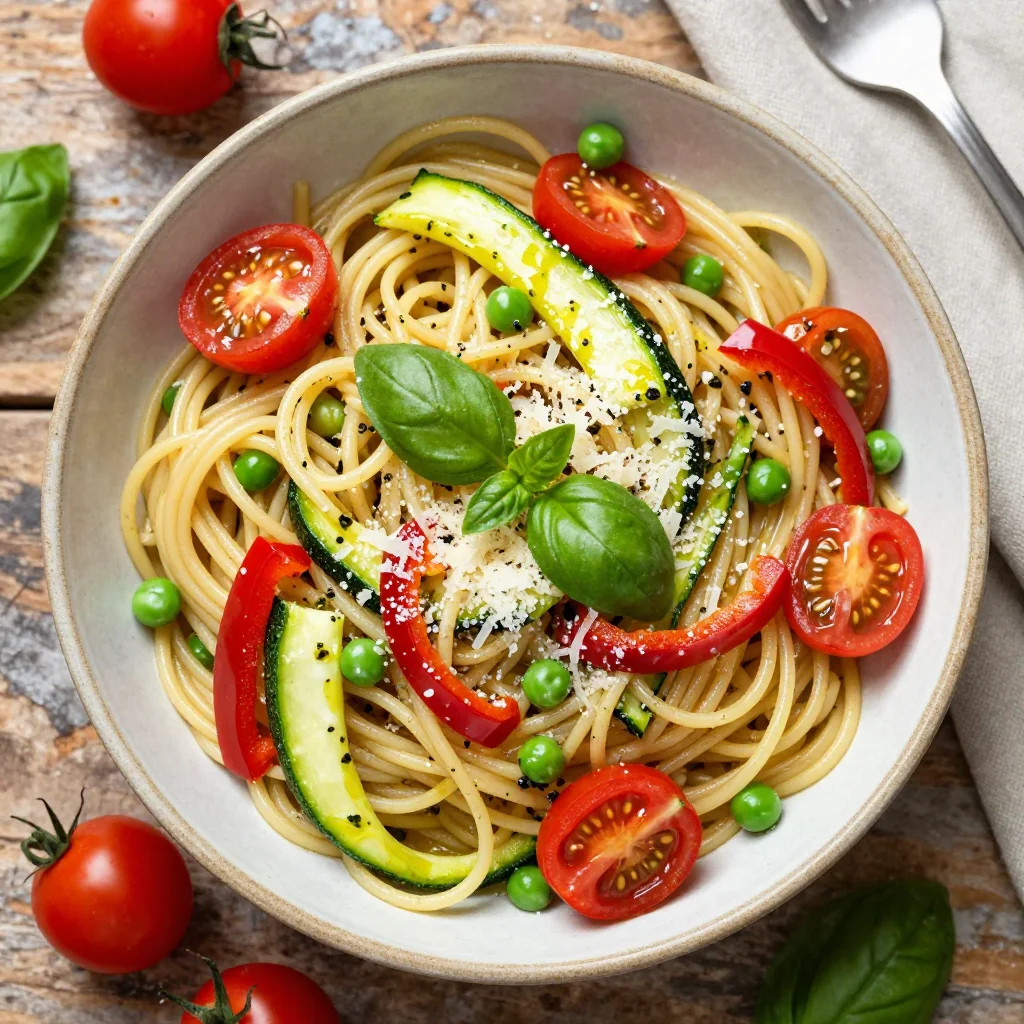
Easy Weeknight Pasta Primavera with Fresh Veggies
Ingredients
Instructions
- Prep vegetables: Wash, dry, and cut all vegetables as directed. Keep separate for even cooking.
- Start pasta water: Bring 4 quarts salted water to boil in a large pot.
- Sauté vegetables: Heat 2 tablespoons oil in a large skillet over medium heat. Add bell peppers and asparagus; cook 3 minutes.
- Add pasta: Cook pasta in boiling water until al dente. Reserve 1 cup pasta water before draining.
- Continue vegetables: Add zucchini and snap peas to skillet; cook 3 minutes. Add garlic; cook 30 seconds.
- Create sauce: Add tomatoes, 1/4 cup pasta water, and lemon zest. Cook 2 minutes.
- Combine and serve: Add drained pasta, lemon juice, remaining oil, and half the cheese. Toss with pasta water as needed. Top with basil, pine nuts, and remaining cheese.
Recipe Notes
For best results, serve immediately. Vegetables will continue to soften when stored. Reheat gently with a splash of water or broth.