The kitchen had been a battlefield that night. I was chasing a late‑night craving for something sweet, something that would make the clock stop and the oven light glow like a promise. I stared at the pantry, eyes darting from the jar of brown sugar to the block of butter, then to the ripe pears that had been sitting on the counter like silent witnesses. That moment of culinary desperation turned into a revelation: what if I could combine the comforting warmth of ginger with the mellow sweetness of pears, all wrapped in a caramelized glaze that would melt on the tongue? I was about to write the recipe that would become my go‑to dessert for any occasion.
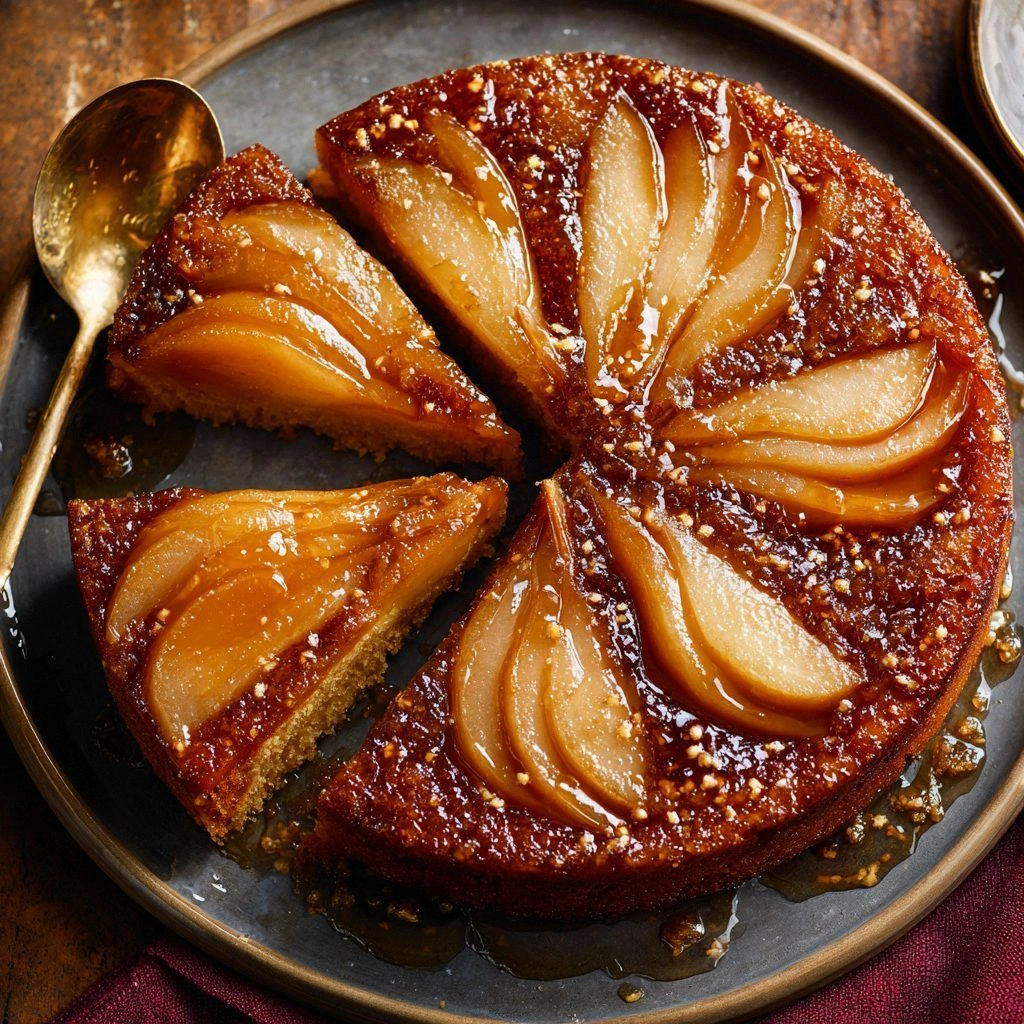
Picture this: a golden, glossy top of pears, each slice glistening with a sugary glaze that has the faintest hint of toasted ginger. The aroma that rises from the pan is a heady blend of cinnamon and butter, like a warm hug that wraps the whole house. When you lift the cake out of the pan, the pears sit proudly at the center, their skins slightly caramelized, their flesh soft and juicy. The first bite delivers a burst of sweet, spiced flavor, followed by a gentle crumb that melts in your mouth. The texture is a delicate balance of moist cake and crisp edges, a harmony that makes every forkful a moment of pure joy.
Most people think an upside‑down cake is just a nostalgic throwback, but this version is a game‑changer. The secret lies in the combination of fresh ginger and ripe pears, plus a touch of brown sugar that caramelizes into a glossy glaze. I dare you to taste this and not go back for seconds—your taste buds will be begging for more. The result is a dessert that feels both comforting and sophisticated, a true crowd‑pleaser for family gatherings, holiday parties, or a quiet evening at home.
What sets this recipe apart is that it doesn’t rely on pretzels or nuts; the natural sweetness of the pears and the warmth of ginger do all the heavy lifting. The method is straightforward, yet each step is designed to elevate flavor and texture. From the initial butter glaze that creates a caramelized base to the precise folding of the batter, every detail is intentional. By the end of this guide, you’ll wonder how you ever made an upside‑down cake any other way.
What Makes This Version Stand Out
- Flavor Fusion: The marriage of fresh ginger and ripe pears delivers a depth of flavor that’s both sweet and spicy, far beyond the usual vanilla‑or‑fruit combinations.
- Texture Perfection: A moist, tender crumb paired with caramelized pear edges creates a contrast that feels luxurious with every bite.
- Simple Technique: No need for elaborate piping or frosting; the glaze is made directly in the pan, saving time and effort.
- Versatile Appeal: This cake satisfies both sweet lovers and those who enjoy a hint of spice, making it perfect for any crowd.
- Ingredient Quality: Using fresh pears and real ginger rather than powdered substitutes elevates the overall taste.
- Make‑Ahead Friendly: The cake can be assembled a day in advance and baked just before serving, making it ideal for busy schedules.
- Visual Impact: The glossy pear glaze and golden crust create a striking presentation that impresses even the most discerning guests.
- Balanced Sweetness: The brown sugar glaze adds a subtle caramel note without overpowering the fruit’s natural sweetness.
Alright, let’s break down exactly what goes into this masterpiece…
Inside the Ingredient List
The Flavor Base
All-purpose flour, the backbone of the cake, provides structure without overpowering the delicate flavors. A 2‑cup measure ensures a light, airy crumb. If you prefer a gluten‑free version, swap it for a 1:1 blend of rice flour and cornstarch; just keep the ratio the same to maintain the batter’s consistency.
Granulated sugar is the sweet heart of the batter, but the real star is the brown sugar used for the glaze. Brown sugar’s molasses content brings a subtle caramel undertone that complements the ginger’s warmth. If you’re watching your sugar intake, you can halve the granulated sugar and replace the rest with a sugar substitute that measures cup‑for‑cup.
The Spice Crew
Ground ginger is the soul of this cake. Two teaspoons of freshly ground ginger give a sharp, aromatic punch that cuts through the sweetness. If you can’t find fresh ginger, a tablespoon of powdered ginger will work, but the flavor will be slightly muted. Ground cinnamon adds a gentle warmth that balances the sharpness of ginger; one teaspoon is enough to round out the profile.
Baking powder and baking soda are the leavening agents that lift the batter. Together they create a tender rise and help the cake achieve a slightly golden top. The small amounts (1 tsp baking powder, ½ tsp baking soda) keep the cake from becoming too airy, preserving its moist, cake‑like texture.
The Unexpected Star
Pears are the unexpected hero. Two ripe pears, peeled, cored, and sliced into ¼‑inch thick rounds, provide a juicy, slightly tart counterpoint to the sweet glaze. Pears release their natural sugars as they bake, creating a subtle caramelization that deepens the flavor. If pears are out of season, you can use apples or peaches; just adjust the cooking time slightly to ensure they remain tender.
The Final Flourish
Butter is the key to a moist crumb and a rich glaze. Half a cup of melted butter, combined with the brown sugar glaze, creates a buttery base that melts into the pears. The remaining ¼ cup of butter, melted and poured over the pears before baking, seals in moisture and adds a golden sheen. Eggs bind the batter together; two large eggs give structure without making the cake dense. Milk adds moisture and helps dissolve the sugars, while vanilla extract rounds out the flavor profile with a subtle floral note.
Everything’s prepped? Good. Let’s get into the real action…
The Method — Step by Step
- Step 1 – Prep the Pan: Grease a 9‑inch round cake pan with ¼ cup melted butter, ensuring every corner is coated. Sprinkle a tablespoon of flour over the butter, tapping out the excess. This creates a non‑stick surface that also adds a light dusting of flour to the glaze. As the butter melts, it releases a subtle aroma that signals the beginning of something delicious.
- Step 2 – Assemble the Pears: Arrange the sliced pears in a single layer over the buttered base, slightly overlapping for a rustic look. Drizzle 1½ tablespoons of brown sugar evenly over the pears, then add a tablespoon of ground ginger. This layering sets the stage for a caramelized glaze that will cling to the fruit during baking. If you’re feeling adventurous, sprinkle a pinch of sea salt to enhance the sweetness.
- Step 3 – Make the Batter: In a large bowl, whisk together 2 cups flour, 1 tsp baking powder, ½ tsp baking soda, and ½ tsp salt. In a separate bowl, combine 1½ cups granulated sugar, 2 tsp ground ginger, and 1 tsp ground cinnamon. Beat the eggs and 1 cup milk until frothy, then add melted butter and vanilla. Gradually fold the dry ingredients into the wet mixture, stirring until just combined; over‑mixing can make the cake tough.
- Step 4 – Combine Pears and Batter: Gently pour the batter over the pears, letting it seep down and cover the fruit. The batter should rise to the top, creating a glossy dome of cake. This is the moment of truth: the batter’s thickness will dictate how fluffy the cake becomes. If you notice the batter pooling, use a spatula to spread it gently.
- Step 5 – Bake: Preheat the oven to 350°F (175°C). Place the pan on the middle rack and bake for 30 minutes. The cake should rise to a golden crown, and the pears will begin to caramelize, releasing their juices. Check the internal temperature with a thermometer; it should read 190°F (88°C) for a fully set cake.
- Step 6 – Flip the Cake: Let the cake cool in the pan for 5 minutes, then run a knife around the edges to loosen. Place a large plate over the pan, flip both over, and slide the cake onto the plate. The pears will now sit at the top, glistening in the glaze. This step is pure magic; the visual impact is worth every second of patience.
- Step 7 – Serve: Slice the cake with a serrated knife to preserve the structure of the pears. Serve warm or at room temperature; the glaze remains glossy and the flavor peaks when the cake is still slightly warm. A dusting of powdered sugar adds a subtle finish, but it’s optional.
- Step 8 – Final Touches: For an extra layer of decadence, drizzle a thin ribbon of honey over the top before serving. Honey adds a floral sweetness that pairs beautifully with ginger. Alternatively, sprinkle a few crushed pistachios for a nutty crunch. These finishing touches elevate the cake from great to unforgettable.
That's it— you did it. But hold on, I've got a few more tricks that'll take this to another level. Stick with me, and you'll master the art of the perfect upside‑down cake.
Insider Tricks for Flawless Results
The Temperature Rule Nobody Follows
Many bakers bake at 375°F, but this cake thrives at 350°F. The lower temperature allows the pears to caramelize slowly, creating a glossy glaze without burning the sugars. If you’re using a convection oven, reduce the temperature by 25°F to account for the fan’s extra heat. This trick ensures a consistent rise and a beautiful golden crust.
Why Your Nose Knows Best
Close your eyes and sniff the batter as it mixes. A sweet, spicy aroma indicates the ginger and brown sugar are well incorporated. If the scent feels flat, add a pinch more ginger or a splash of vanilla; the aroma is your instant flavor gauge. This sensory check saves you from a bland cake.
The 5-Minute Rest That Changes Everything
After baking, let the cake rest for exactly five minutes before flipping. This brief pause allows the caramelized sugars to set, preventing them from running off the top during the flip. A common mistake is flipping immediately, which can cause a soggy, uneven glaze. Patience pays off with a flawless presentation.
Use Fresh Pears, Not Canned
Fresh pears hold their shape better during baking, resulting in a cleaner look. Canned pears can become mushy and release excess liquid, diluting the glaze. If fresh pears are out of season, look for pears that are firm but slightly soft—like Bosc or Bartlett—so they caramelize nicely.
The Sweet‑Spice Ratio Trick
If you prefer a sweeter cake, increase the brown sugar glaze by a tablespoon. For a spicier kick, add an extra half teaspoon of ground ginger. Balance is key; too much sugar can mask the ginger, while too much spice can overpower the pears. Experiment in small batches to find your sweet spot.
Creative Twists and Variations
This recipe is a playground. Here are some of my favorite ways to switch things up:
Citrus Zest Twist
Add a teaspoon of orange zest to the batter for a bright, citrusy note that cuts through the sweetness. The zest pairs beautifully with ginger, creating a refreshing flavor profile. This version is perfect for spring or summer gatherings.
Almond Butter Swirl
Fold ¼ cup of almond butter into the batter before pouring over the pears. The nutty flavor adds depth, and the butter’s oils keep the cake moist. This variation is ideal for those who love a nutty undertone.
Chocolate Drizzle Finish
After flipping, drizzle melted dark chocolate over the top. The bittersweet chocolate balances the ginger’s spice and the pears’ sweetness. A dusting of sea salt completes the flavor profile, making it a showstopper.
Caramel Apple Version
Replace pears with thinly sliced apples and add a pinch of nutmeg. The apple’s natural tartness complements the ginger, and the nutmeg adds warmth. This version is a classic autumn favorite.
Pistachio Crunch
Sprinkle ¼ cup chopped pistachios over the glaze before baking. The pistachios add a crunchy texture and a subtle nutty flavor that contrasts with the soft pears. This twist is great for a festive presentation.
Storing and Bringing It Back to Life
Fridge Storage
Cool the cake completely, then cover tightly with plastic wrap and store in the refrigerator for up to three days. The glaze remains glossy, and the cake stays moist. When you’re ready to serve, let it sit at room temperature for 10 minutes to soften slightly.
Freezer Friendly
Wrap the cake in parchment paper, then place in a freezer bag. Freeze for up to two weeks. To thaw, let the cake sit in the refrigerator overnight, then warm it in a 300°F oven for 10 minutes. The glaze will regain its sheen, and the pears will stay juicy.
Best Reheating Method
Reheat the cake in a 300°F oven for 8–10 minutes, or until warmed through. Add a splash of milk or a drizzle of honey before reheating; the liquid steams the cake back to a moist, tender state. This trick ensures the cake doesn’t dry out during storage.