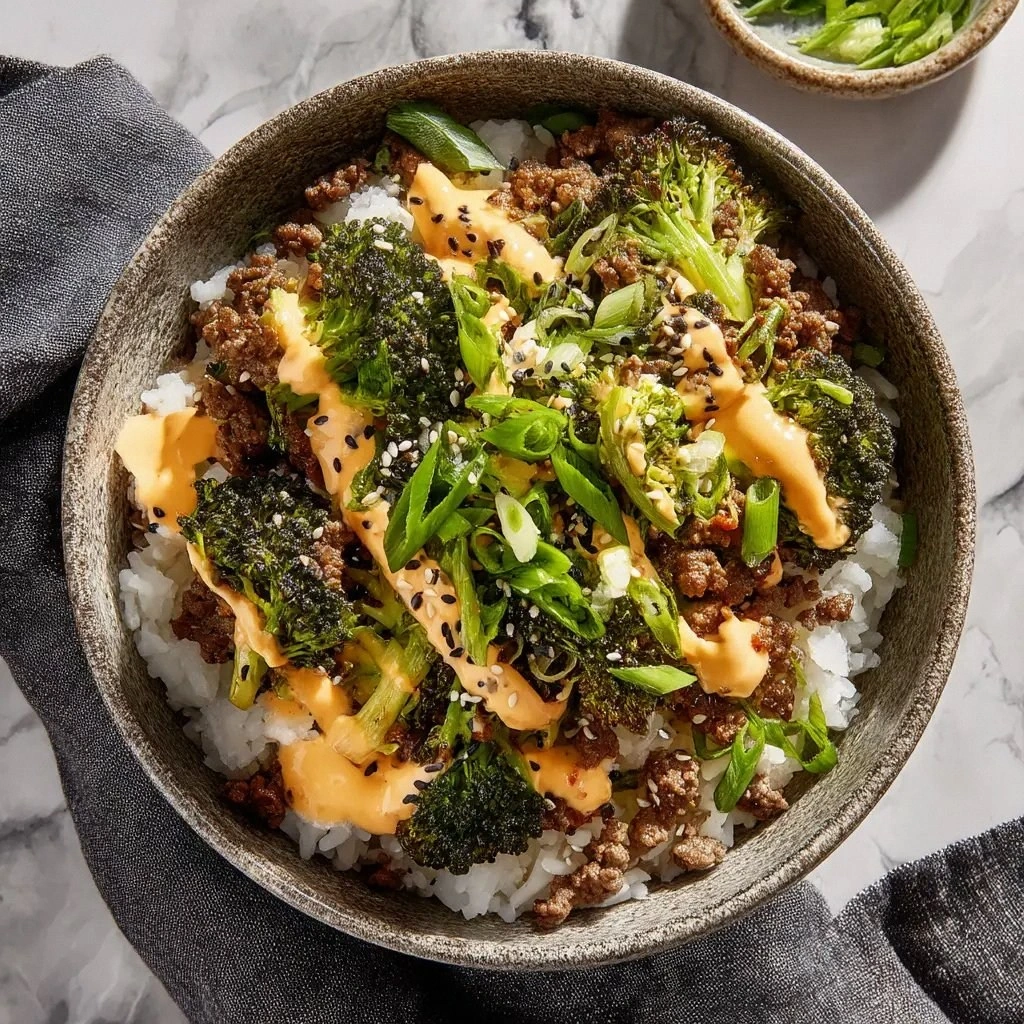
I was staring at the fridge one rainy Tuesday, feeling like a culinary detective with a crime scene of half‑cooked rice, a bag of frozen broccoli, and a pound of ground beef that had been sitting in the back of the freezer for weeks. The only thing that could salvage the evening was a recipe that promised a symphony of flavors in under thirty minutes. I flipped through my recipe book, found a bland stir‑fry, and then remembered the night I accidentally over‑cooked the beef in a pan that had been too hot, leaving the edges charred like a burnt toast. That disaster was my catalyst for creating a dish that would never repeat that mistake again. The result is a bowl that sings with umami, crispness, and a hint of sweetness that lingers on the palate.
Picture this: a sizzling pan, the aroma of garlic and ginger dancing with the rich scent of soy sauce, the sound of broccoli snapping as it hits the hot oil, and the gentle clink of a wooden spoon. The texture is a delightful contrast—tender, juicy beef, crisp broccoli florets, and fluffy rice that holds the sauce like a sponge. Every bite delivers a burst of savory depth, a subtle honey glaze that coats the ingredients like velvet, and a sesame finish that leaves a warm, nutty aftertaste. I dare you to taste this and not go back for seconds; the sauce will cling to your tongue, and you'll find yourself reaching for more. This is hands down the best version you'll ever make at home, and it’s simple enough for a weekday night yet impressive enough for guests.
If you've ever struggled with the classic ground beef and broccoli, you're not alone—most recipes get this completely wrong by over‑cooking the veggies or under‑seasoning the sauce. I’ve been there, watching my broccoli turn mushy, my beef lose its bite, and my rice end up a soggy mess. The secret to this dish is a balance of textures and a sauce that coats the ingredients like a silk scarf, not a glaze that clumps. The trick is to cook the beef first, then deglaze the pan with a splash of liquid, add the broccoli, and finish with the sauce and a quick stir. This method keeps everything bright, flavorful, and ready to serve in a flash. Picture yourself pulling this out of the stove, the whole kitchen smelling incredible, and feeling the satisfaction of a meal that’s both comforting and exciting.
Let me walk you through every single step—by the end, you'll wonder how you ever made it any other way. The journey starts with a simple prep list that ensures you have every component ready to go. The next part? The sauce, a marriage of sweet and savory that will make your taste buds dance. Then comes the beef, the star of the show, cooked to perfection with a hint of caramelization. Followed by the broccoli, which stays crisp and vibrant thanks to a quick blanch. Finally, the rice, which absorbs the sauce and becomes a fluffy base that holds everything together. Ready? Let's dive in.
What Makes This Version Stand Out
- Flavor: The sauce blends low‑sodium soy, honey, and rice vinegar into a glossy glaze that coats every grain of rice and every bite of beef. The result is a harmonious balance of salty, sweet, and tangy notes that dance on the tongue.
- Texture: The broccoli stays crisp, the beef remains juicy, and the rice absorbs the sauce without becoming mushy. Each bite delivers a satisfying contrast that keeps the dish from feeling one‑dimensional.
- Simplicity: With only twelve ingredients and a single pan, this recipe fits into a busy schedule while still delivering a restaurant‑style flavor profile.
- Uniqueness: The addition of toasted sesame oil and sesame seeds gives the dish an aromatic depth that sets it apart from standard stir‑fries.
- Crowd Reaction: Friends who’ve tried this rave about how the sauce “sticks to everything” and how it’s the perfect comfort food after a long day.
- Ingredient Quality: Using low‑sodium soy and fresh ginger ensures that the flavor comes from the ingredients themselves rather than excess salt.
- Cooking Method: The technique of deglazing the pan before adding the sauce locks in flavor and prevents sticking.
- Make‑ahead Potential: The dish can be prepped ahead and reheated without losing its vibrant flavor, making it ideal for meal prep.
Alright, let's break down exactly what goes into this masterpiece. The following sections will guide you through the ingredient selection, the cooking process, and some insider tips that elevate the dish to perfection.
Inside the Ingredient List
The Flavor Base
The low‑sodium soy sauce is the backbone of the sauce, providing umami without drowning the dish in salt. Its subtle depth is essential; using a regular soy sauce would make the dish overly salty. If you’re watching sodium, consider a soy sauce labeled “low‑sodium” or “reduced‑sodium.” Skipping it would leave the sauce flat and the beef under‑seasoned.
Honey adds a natural sweetness that balances the acidity of the rice vinegar. The honey’s floral undertones complement the sesame oil and give the sauce a silky finish. If you’re avoiding honey, a touch of maple syrup works as a good substitute, though it will shift the flavor slightly toward maple.
Rice vinegar brings brightness and a subtle tartness that cuts through the richness of the beef. It’s a key component for achieving that “bright, clean” finish that keeps the dish from feeling greasy. A good quality rice vinegar is essential; avoid cheap, overly acidic varieties that can dominate the flavor.
Toasted sesame oil is a game‑changer, adding a nutty aroma that elevates the entire dish. It’s a small amount, but its flavor is intense; use it sparingly to avoid overpowering the other ingredients. If you’re out of sesame oil, a dash of toasted coconut oil can mimic the nutty profile, though the taste will be slightly different.
The Texture Crew
Garlic is the aromatic foundation that gives the dish its signature depth. Freshly minced garlic releases more flavor than pre‑minced or powdered garlic. If you’re allergic or sensitive, you can reduce the amount to one clove, but the dish will be slightly milder.
Fresh ginger adds a bright, peppery bite that complements the garlic. It also helps to keep the beef from becoming too greasy by cutting through the fat. If you don’t have fresh ginger, a tablespoon of ginger paste can serve as a reasonable substitute.
Cornstarch is the thickening agent that gives the sauce a glossy coat. It also helps the sauce cling to the rice and beef. If you’re gluten‑free, you can use arrowroot or tapioca starch; just remember to mix it with a little cold water before adding to the sauce.
The Unexpected Star
Avocado oil is used for cooking the beef because of its high smoke point and neutral flavor. It allows the meat to brown nicely without imparting an oily taste. If you don’t have avocado oil, canola or grapeseed oil works well; just avoid butter or olive oil, which can burn at high heat.
Sesame seeds finish the dish with a subtle crunch and nutty flavor. Toast them lightly in a dry pan before adding for maximum aroma. If you’re allergic, you can omit them or substitute with pumpkin seeds for a different crunch.
The Final Flourish
Sliced green onions add a fresh, sharp contrast that brightens the dish. They’re best added at the end to preserve their crispness and color. If you prefer a milder onion flavor, use scallions or a small amount of chives.
Everything's prepped? Good. Let's get into the real action.
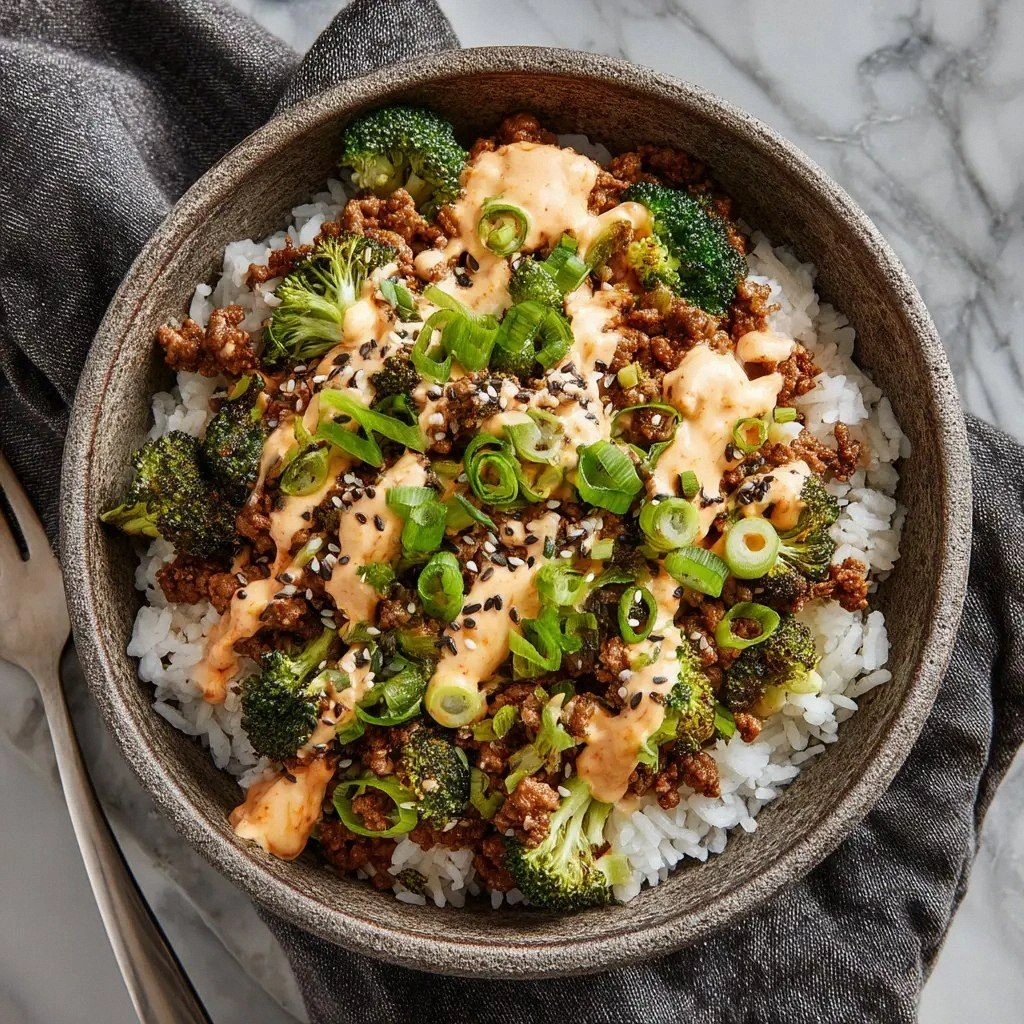
The Method — Step by Step
- Heat the pan: Place a large skillet over medium‑high heat and pour in the avocado oil. Watch for a gentle shimmer; that’s the sign it’s ready. Once the oil glistens, add the ground beef in a single layer. Let it sear for a minute before stirring. The goal is to develop a golden crust on one side before flipping. This step locks in juices and adds a caramelized flavor that will carry through the dish.
- Season the beef: Sprinkle the minced garlic and ginger over the browned meat. Stir quickly so the aromatics release their fragrance without burning. The garlic should turn a light golden hue, indicating it’s ready. Add a pinch of salt to enhance the beef’s natural flavor. Keep the heat steady; if the pan gets too hot, the garlic will burn and create bitterness. This is the moment of truth for the flavor foundation.
- Deglaze and combine: Pour a splash of soy sauce over the beef, scraping up any browned bits from the pan. The deglazing step lifts the savory bits into the sauce, creating depth. Let it bubble for 30 seconds, then add the broccoli florets. The broccoli should be added in a single layer to steam evenly. Stir gently, ensuring the broccoli gets coated with the savory liquid. The broccoli will start to soften, but keep it crisp for the final bite.
- Add the sauce: Pour the pre‑whisked sauce over the beef and broccoli. The mixture should sizzle immediately, creating a glossy glaze. Stir constantly for 2 minutes until the sauce thickens and coats the ingredients. The cornstarch will create a silky texture that clings to the rice and meat. Taste for seasoning; add a pinch of salt if needed. The sauce should be thick enough to coat but still pourable.
- Introduce the rice: Add the cooked rice to the pan, breaking up any clumps with a spatula. Fold the rice into the sauce until every grain is coated. The rice should absorb the sauce but remain fluffy. Stir gently to prevent the rice from sticking to the bottom. The aroma will intensify, filling the kitchen with a savory, sweet scent. This step ensures the rice becomes the vehicle for the flavors.
- Finish with sesame: Sprinkle the toasted sesame seeds over the mixture. Toss lightly to distribute them evenly. The seeds add a subtle crunch and a nutty aroma that complements the sesame oil. They also provide a visual pop of color against the green broccoli. Let the dish sit for a minute to allow the flavors to meld. The sesame seeds will settle at the bottom, ready to be sprinkled on top.
- Garnish: Add the sliced green onions as a final touch. They bring a fresh, sharp bite that balances the richness. Toss them in gently; you don’t want them to wilt. The bright green color adds a pop of visual appeal. This final garnish is the finishing flourish that turns a simple bowl into a gourmet experience.
- Plate and serve: Ladle the dish into bowls, ensuring each bowl gets a balanced mix of beef, broccoli, and rice. Garnish with a few extra sesame seeds if desired. Serve hot, and watch the steam rise like a cloud of savory perfume. The dish is best enjoyed immediately, but it also holds up well for a quick reheat. This is the moment when all the effort pays off, and the kitchen smells like a restaurant.
That's it — you did it. But hold on, I've got a few more tricks that'll take this to another level.
Insider Tricks for Flawless Results
The Temperature Rule Nobody Follows
Many cooks lower the heat too soon, causing the beef to steam instead of sear. Keep the skillet at medium‑high for the first 3 minutes of cooking the meat. This high heat caramelizes the surface, creating a deep flavor that’s impossible to replicate with low heat. If you’re using a cast‑iron pan, pre‑heat it for at least 5 minutes before adding oil. The pan should be hot enough that a splash of oil creates a brief hiss.
Why Your Nose Knows Best
Before adding the broccoli, give the pan a quick sniff. The aroma of browned beef and garlic should be rich and inviting. If the smell feels flat, you’re probably under‑seasoned or the pan isn’t hot enough. Adjust by adding a pinch more salt or letting the beef cook a bit longer. Your nose is a reliable guide; trust it to tell you when the flavors are just right.
The 5‑Minute Rest That Changes Everything
After the sauce has thickened, let the dish rest for 5 minutes off the heat. This pause allows the sauce to settle and the flavors to meld. The rice will continue to absorb the sauce, resulting in a richer, more cohesive bite. During this time, you can prepare any side or set the table. The rest also prevents the sauce from drying out when you reheat.
The Quick Blanch for Broccoli
If you want a crunchier broccoli, blanch it for 30 seconds before adding it to the pan. Boil the florets for 30 seconds, then plunge them into ice water to stop the cooking process. This technique keeps the bright green color and crisp texture. It’s a quick step that makes a noticeable difference in the final bite.
The One‑Pan Wonder
Using a single skillet simplifies cleanup and speeds up cooking time. However, it also requires careful timing. Keep a timer handy and move ingredients in stages, as described in the method. If you’re cooking for a crowd, consider using two pans simultaneously: one for the beef and one for the rice. This allows each component to finish at the same time without waiting.
Creative Twists and Variations
This recipe is a playground. Here are some of my favorite ways to switch things up:
Spicy Sriracha Kick
Add a tablespoon of Sriracha to the sauce for a spicy, sweet punch. The heat will contrast nicely with the honey’s sweetness. Reduce the honey slightly to balance the extra spice. This variation is perfect for those who love a little heat in their meals.
Miso Marvel
Swap the soy sauce for 2 tablespoons of white miso paste. Add a splash of water to thin it out. The miso will lend a fermented, earthy depth that elevates the dish. This version pairs wonderfully with a side of pickled ginger.
Thai Coconut Twist
Replace the rice vinegar with coconut aminos and add a tablespoon of coconut milk. The result is a creamy, tropical flavor profile that feels like a Thai curry. Keep the rest of the ingredients unchanged for balance. Serve over jasmine rice for an extra aromatic touch.
Vegan Version
Use plant‑based ground “beef” or crumbled tempeh. Swap avocado oil for a neutral‑flavored oil like sunflower. Ensure your soy sauce is gluten‑free. The dish remains hearty and flavorful, just with a plant‑based twist.
Pasta Fusion
Cook spaghetti or linguine instead of rice. Toss the pasta with the sauce and beef just before serving. The noodles will soak up the glaze, creating a comforting pasta dish. Sprinkle extra sesame seeds for crunch.
Breakfast Bowl
Swap the rice for quinoa or scrambled eggs. Add a pinch of turmeric for color and a boost of antioxidants. This breakfast version offers a protein‑rich, savory start to your day. Top with a fried egg for an extra indulgence.
Storing and Bringing It Back to Life
Fridge Storage
Store the dish in an airtight container for up to 3 days. The sauce may thicken slightly, so keep it in a container that can accommodate expansion. When ready to eat, let it sit at room temperature for 15 minutes to bring back its original consistency. The flavors will still be vibrant and satisfying.
Freezer Friendly
You can freeze the dish for up to 2 months. Portion into freezer‑safe bags, removing as much air as possible. Thaw overnight in the refrigerator before reheating. The rice may become a bit softer, but the sauce will re‑coalesce when warmed.
Best Reheating Method
Reheat in a skillet over medium heat, adding a splash of water or broth to keep it moist. Stir frequently to prevent sticking. Once heated through, sprinkle a little fresh green onion for a burst of freshness. Reheated properly, the dish will taste almost as good as fresh.