Love this? Pin it for later! 📌
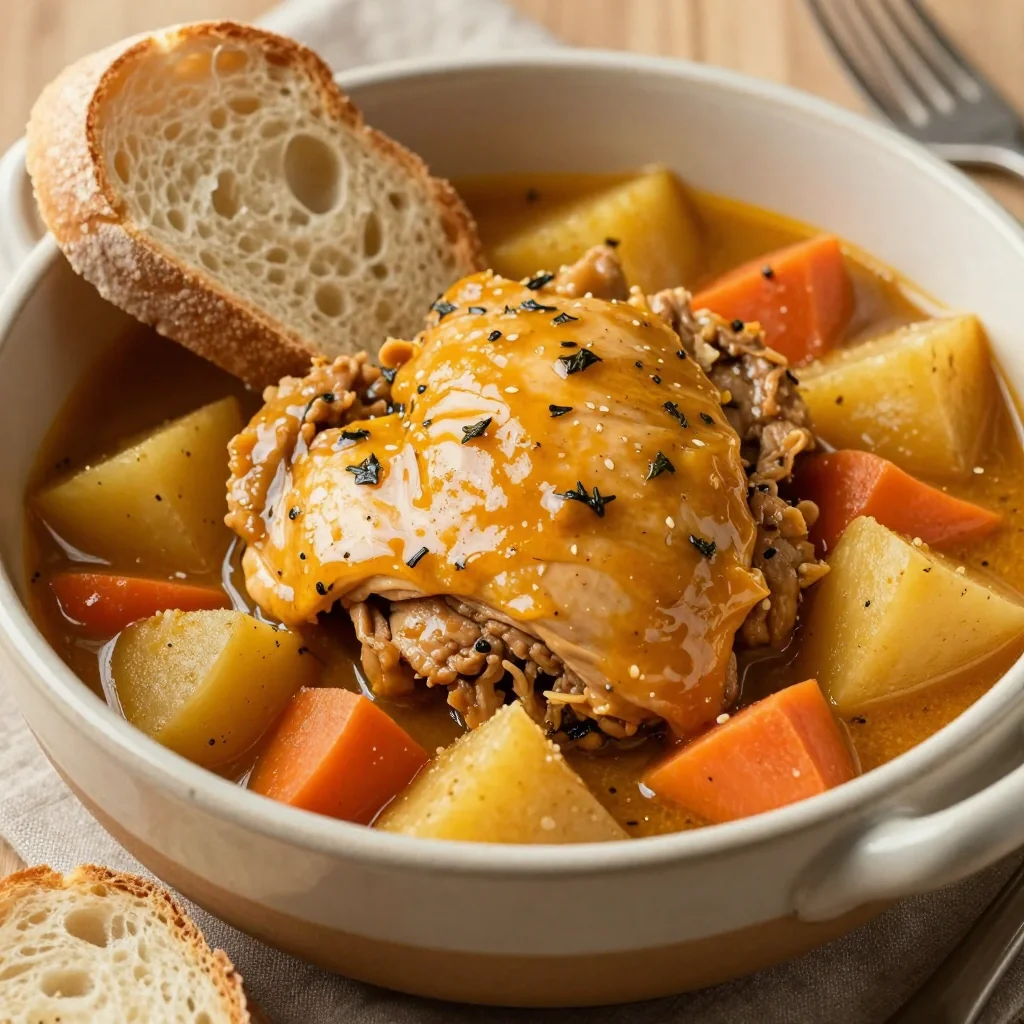
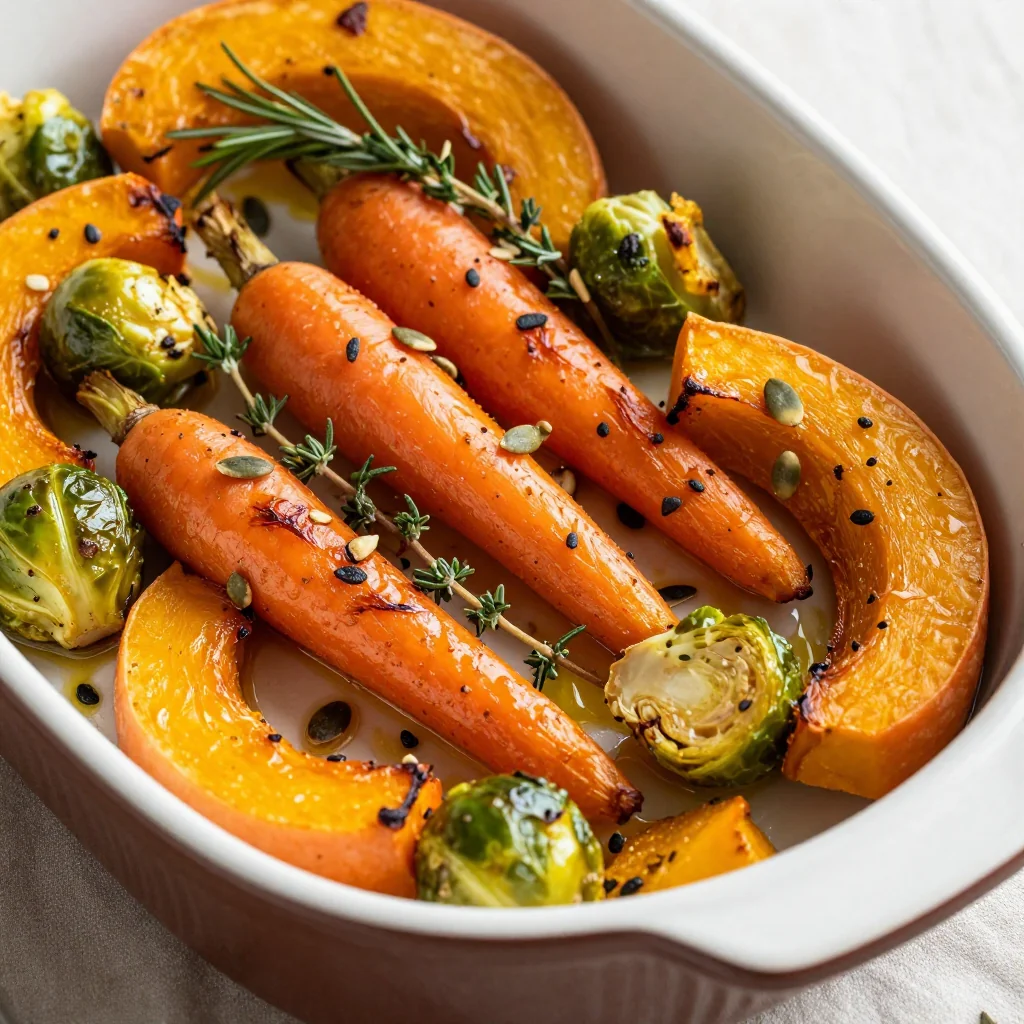
Every January, after the confetti settles and the last cookie disappears from the tin, I find myself craving something that feels like a reset without tasting like punishment. Two winters ago, while juggling a newborn, a toddler, and a Whole30 commitment, I invented this roasted winter-vegetable casserole out of sheer desperation for a meal that could multitask as breakfast, lunch, or dinner, feed the whole crew, and still leave me with enough leftovers to survive the week. It was supposed to be a stop-gap, but the first bite—caramelized edges of butternut squash, earthy Brussels sprouts, and sweet-tart cranberries baked into a silky custard—made me close my eyes and say “thank you” out loud. My toddler asked for seconds, my husband packed it for work, and I sliced chilled squares at 6 a.m. straight from the fridge like the sleep-deprived superhero I was pretending to be. Now it’s our February ritual: we make two pans on Sunday, and the house smells like rosemary and possibility until Friday. If you need a dish that feels like a warm blanket yet still fits your Whole30 goals, this is the one.
Why This Recipe Works
- One pan, endless meals: Roast, blend, bake—then portion into breakfast wedges, lunch boxes, or dinner sides.
- Whole30 compliant: No dairy, grains, legumes, or added sugars—just real food that tastes decadent.
- Seasonal superstar: Uses inexpensive winter produce you’ll find on every grocery-store end cap.
- Freezer-friendly: Bake, cool, slice, and freeze squares with parchment between for up to 3 months.
- Hidden veggies: Even sprout-skeptics devour the greens when they’re surrounded by caramelized squash.
- Protein boost: Eggs and almond milk create a custard that delivers 14 g protein per slice.
- Customizable spices: Swap rosemary for curry powder or cinnamon to change the vibe without rewriting the recipe.
Ingredients You'll Need
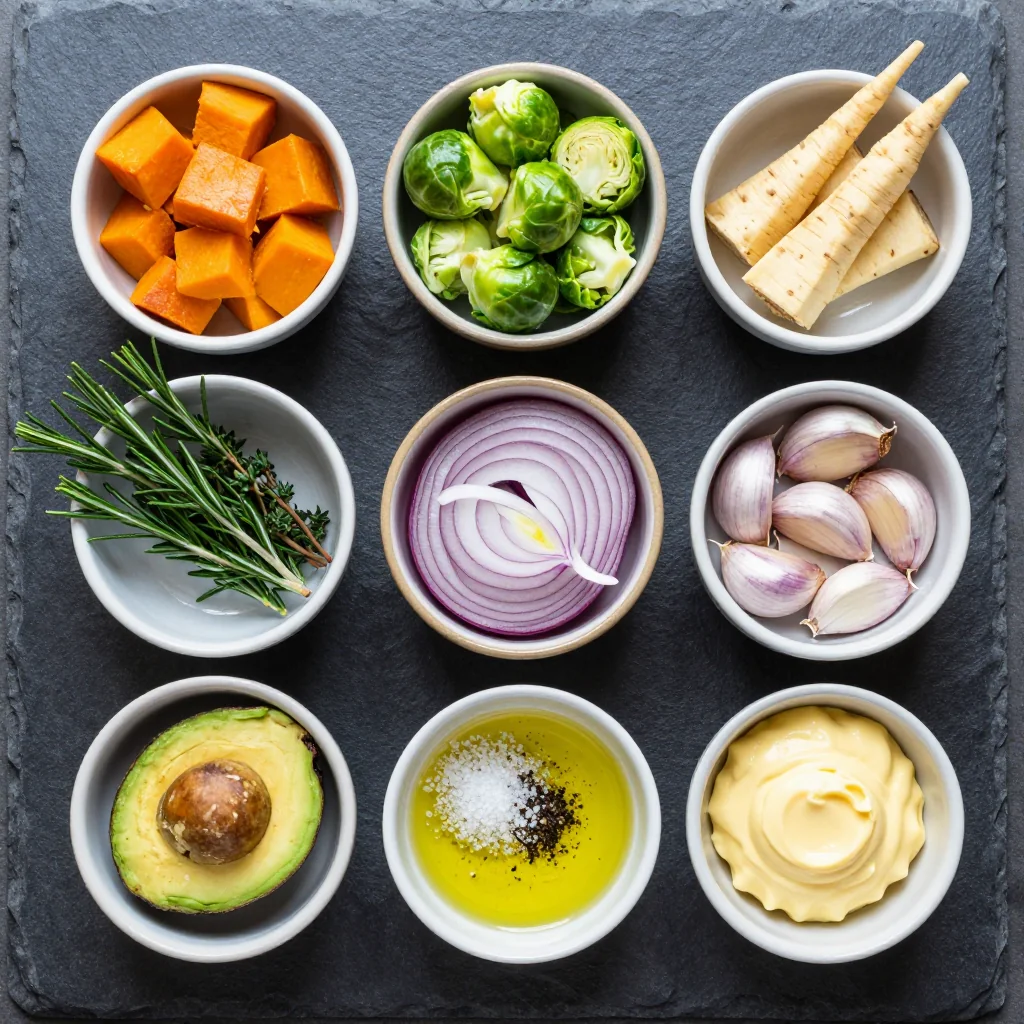
Quality ingredients are the quiet heroes of any Whole30 casserole. When winter produce is at its peak, nature does the heavy lifting on flavor, so your job is simply not to get in the way.
Butternut squash: Look for matte, beige skin with no green streaks; it should feel heavy for its size. Peeled and cubed, it roasts into candy-sweet nuggets that balance the savory custard. If you’re short on time, many stores sell pre-cubed squash; just pat it dry so it caramelizes instead of steams.
Brussels sprouts: Smaller, tightly closed sprouts are sweeter. Trim the woody ends, then slice them thin so they melt into the filling rather than standing out like tiny cabbages.
Red onion: Its natural sugars concentrate in the oven, giving you that jammy sweetness without breaking Whole30 rules. Yellow onion works, but the color contrast is prettier with red.
Cranberries: Fresh or frozen, they pop into tart bursts that cut through the richness. If you only have dried, make sure they’re unsweetened; otherwise omit—no sugar allowed here.
Extra-virgin olive oil: A robust, peppery oil helps the vegetables brown and carries fat-soluble vitamins. Use enough; this is not the time to fear healthy fats.
Eggs: Pasture-raised if the budget allows; the yolks are sunset-orange and create a custard that slices cleanly. Room-temperature eggs whisk more smoothly, so pull them out first.
Unsweetened almond milk: I make my own by blending 1 cup soaked almonds with 4 cups water, then straining; store-bought is fine as long as it’s carrageenan-free. Coconut milk (from the carton, not can) is an equally creamy swap.
Garlic & rosemary: Winter aromatics that perfume the whole house. Fresh rosemary is worth it; dried is more pine-needle than pine-forest. Smash the garlic cloves, then mince with salt to create a paste that disappears into the custard.
Smoked paprika & nutmeg: Smoked paprika gives depth without liquid smoke; nutmeg is the whisper of warmth that makes vegetables taste like pie—without the pie.
Almond flour: Just enough to bind and create a delicate crust on top. Blanched is prettier, but meal works in a pinch.
Sea salt & black pepper: Don’t be shy; under-seasoned vegetables taste like punishment.
How to Make Healthy Whole30 Roasted Winter Vegetable Casserole for Family Meal Prep
Heat the oven and prep your sheet pans
Preheat the oven to 425 °F (220 °C). Line two large rimmed baking sheets with parchment—rimmed so the squash cubes don’t parachute onto the oven floor. Position one rack in the upper third and one in the lower third for even browning.
Chop vegetables uniformly
Peel, seed, and cube the butternut into ¾-inch pieces—small enough to roast quickly, large enough to stay chunky in the casserole. Trim Brussels sprouts, remove any yellow outer leaves, and slice them ⅛-inch thick so they separate into delicate ribbons. Halve the red onion, then cut each half into ½-inch wedges, keeping the root intact so the petals stay together.
Toss with oil & seasonings
Pile the vegetables onto the prepared sheets. Drizzle 3 Tbsp olive oil over each sheet, then sprinkle 1 tsp salt, ½ tsp pepper, ½ tsp smoked paprika, and the minced rosemary. Toss with your hands until every surface glistens; oil is what carries flavor and ensures caramelization. Spread into a single layer—crowding causes steam, and steam is the enemy of golden edges.
Roast until edges char
Slide both sheets into the oven. Roast 15 minutes, then swap racks and rotate pans 180° for even browning. Continue roasting 10–15 minutes more, until the squash is bronzed at the corners and the sprouts have lacy, dark green fringes. You want color; color equals flavor. Remove and let cool 5 minutes so they don’t scramble the egg custard later.
Lower oven & grease casserole
Reduce oven to 375 °F (190 °C). Lightly brush a 9×13-inch ceramic or glass baking dish with olive oil. Ceramic retains heat gently and prevents the custard from overcooking at the edges.
Whisk the custard base
In a large bowl, whisk eggs until homogenous and slightly frothy—this incorporates air for a lighter texture. Whisk in almond milk, garlic paste, ½ tsp salt, ¼ tsp pepper, and a pinch of nutmeg. The mixture should taste slightly over-seasoned; it will dilute once baked with the vegetables.
Combine vegetables & cranberries
Scrape the roasted vegetables into the casserole dish; add cranberries and gently toss so the tart jewels are evenly distributed. The residual heat will start to soften them.
Pour custard & top with almond flour
Slowly drizzle the custard over the vegetables, stopping to let it seep into crevices. Gently shake the dish to eliminate air pockets. Sprinkle almond flour across the surface; it will toast into a delicate, nutty crust.
Bake until puffed and golden
Slide the dish into the center of the 375 °F oven. Bake 28–32 minutes, until the custard is set at the edges but still jiggles slightly in the center when shaken. Over-baking causes rubbery eggs, so pull it early; carry-over heat will finish the job. A knife inserted 2 inches from the edge should come out clean.
Cool & slice for meal-prep
Let the casserole rest 10 minutes; this sets the custard and makes slicing neat. Use a sharp knife to cut 12 squares, or 8 generous rectangles if you’re feeding teenagers. Serve warm, room temp, or cold—flavors marry overnight.
Expert Tips
High-heat roast first
Starting at 425 °F drives off moisture and creates fond on the pan—those browned bits equal free flavor bombs.
Pat vegetables dry
Even a little surface moisture will steam instead of brown. Use a clean kitchen towel to blot after cubing.
Room-temp eggs
Cold eggs tighten when they hit hot vegetables, creating tiny rubbery pockets. Place eggs in warm water for 5 minutes while the veggies roast.
Color equals caramelization
Don’t stop at pale gold; wait for deep mahogany edges. That color is hundreds of Maillard-reaction flavor compounds.
Double the batch
Two pans roast just as easily as one. Freeze the second casserole unbaked; thaw overnight and bake 5 extra minutes.
Overnight flavor boost
Bake on Sunday, refrigerate overnight, and Monday’s squares taste even more cohesive—great for grab-and-go breakfasts.
Variations to Try
-
Curried sweet-potato version
Swap butternut for orange sweet potatoes, rosemary for 1 Tbsp curry powder, and cranberries for chopped apricots (unsweetened).
-
Green veggie medley
Use broccoli florets and zucchini rounds; add ½ cup chopped kale and reduce almond milk by ¼ cup to compensate for moisture.
-
Smoky bacon boost
Fold in 4 slices sugar-free turkey bacon, crumbled, for a salty crunch that keeps it Whole30.
-
Nut-free topping
Replace almond flour with ¼ cup toasted sunflower-seed meal mixed with 1 Tbsp nutritional yeast for cheesy flavor.
-
Tex-Mex twist
Sub smoked paprika for chipotle powder, add 1 cup roasted bell-pepper strips, and finish with fresh cilantro instead of rosemary.
-
Mini muffin meal bites
Bake the mixture in a greased mini-muffin tin at 350 °F for 18 minutes—perfect pop-in-your-mouth snacks for kids.
Storage Tips
Refrigerator: Cool the casserole completely, then cover tightly with foil or transfer to airtight containers. It keeps 5 days without texture degradation. For best flavor, reheat squares in a 325 °F oven for 10 minutes; microwaving works but softens the crust.
Freezer: Wrap individual squares in parchment, then foil, and freeze up to 3 months. Thaw overnight in the fridge, or reheat straight from frozen—cover with foil and bake 25 minutes at 325 °F, removing the foil for the last 5 to crisp the top.
Make-ahead raw: Roast the vegetables up to 3 days early; store chilled. Whisk the custard the night before and refrigerate separately. Assemble and bake in the morning for a week-day brunch without the 6 a.m. chopping.
Lunchbox safety: Pack chilled squares in an insulated bag with an ice pack. They’re safe at room temp for 4 hours, so they survive commutes and school backpacks.
Frequently Asked Questions
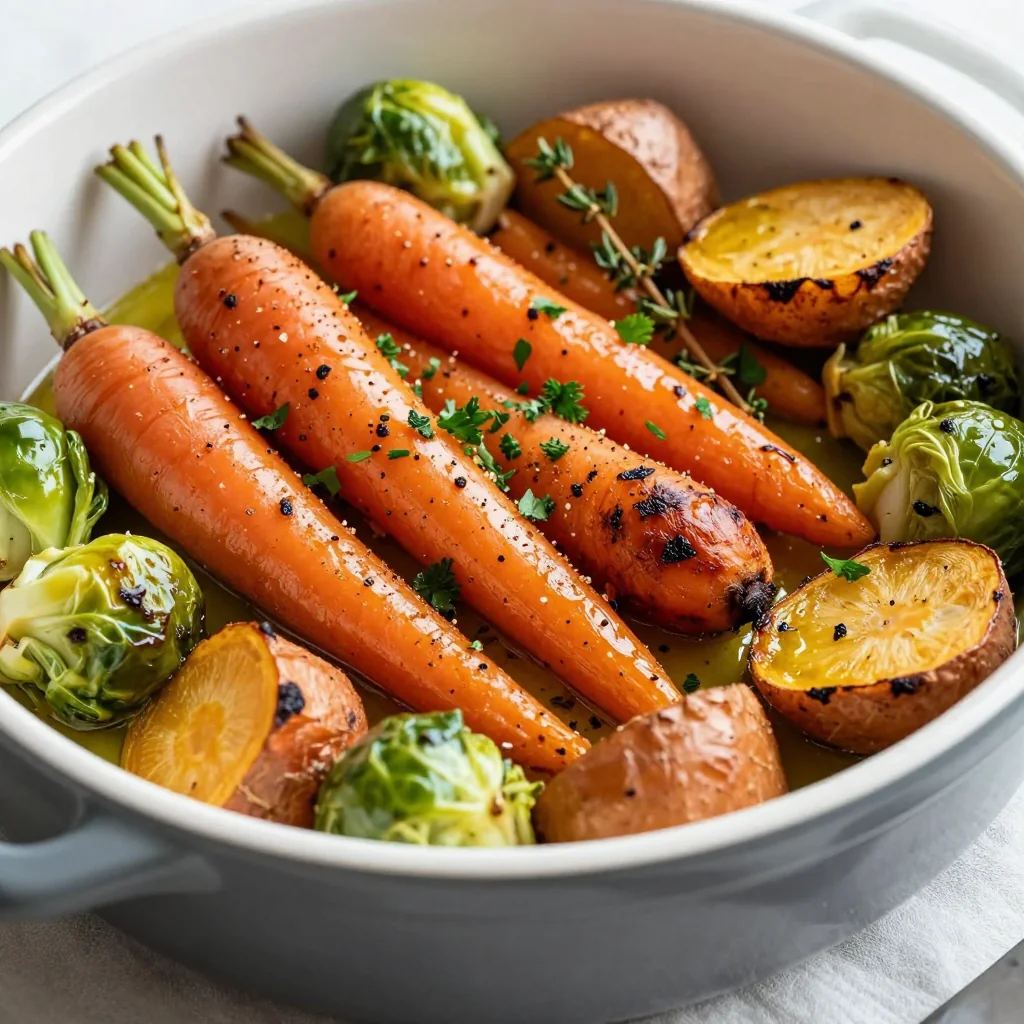
healthy whole30 roasted winter vegetable casserole for family meal prep
Ingredients
Instructions
- Roast vegetables: Preheat oven to 425 °F. Toss squash, sprouts, and onion with 5 Tbsp oil, rosemary, paprika, 1 tsp salt, and ½ tsp pepper on two parchment-lined sheets. Roast 25–30 min, swapping racks halfway, until browned.
- Prep custard: Lower oven to 375 °F. Whisk eggs, almond milk, garlic, ½ tsp salt, ¼ tsp pepper, and nutmeg.
- Assemble: Transfer vegetables to a greased 9×13-inch dish; stir in cranberries. Pour custard over; sprinkle almond flour.
- Bake: 28–32 min, until edges puff and center jiggles slightly. Cool 10 min before slicing into 8 squares.
- Store: Refrigerate up to 5 days or freeze up to 3 months.
Recipe Notes
For extra protein, fold in 2 cups shredded cooked chicken before baking. Want a crispy top? Broil for 1–2 minutes at the end, watching closely.