Introduction
Picture this: I was standing in a cramped kitchen, surrounded by a mountain of raw zucchini, when my phone buzzed with a frantic text from a friend who’d just had a disastrous takeout order. The dish was bland, soggy, and utterly forgettable. I stared at the green spears, feeling a sudden surge of culinary rebellion. The idea hit me like a lightning bolt—why not turn those ordinary veggies into a sizzling, sweet‑savory masterpiece that would outshine any restaurant version?
As I sliced the zucchini, the crisp snap echoed through the air, a sound that promised something extraordinary. The aroma of fresh greens mingled with the faint scent of soy sauce already simmering in the pan, a duet that began to dance on my senses. I could almost taste the caramelized edges, the subtle sweetness of mirin, and the sharp bite of ginger. The heat from the stove crackled, turning the kitchen into a small, intimate theater where every sizzling sound was a cue to the drama unfolding.
What sets this version apart from the countless “hibachi zucchini” recipes you’ll find online is its deliberate balance of sweetness and umami, its crisp texture that refuses to become mushy, and the way it elevates a humble vegetable into a star of the plate. I’ve spent hours tweaking the sauce ratio, experimenting with the heat of the skillet, and discovering that a quick sear locks in flavor like a secret handshake. The result is a dish that’s not just a side but a showstopper that can double as a main when you’re in a pinch.
And there’s a twist you won’t expect: a splash of toasted sesame oil at the very end that turns the glaze into a glossy, fragrant finish, plus a subtle kick from a touch of crushed red pepper flakes that makes the dish feel alive. Ready to see how I pulled this together? Let me walk you through every single step—by the end, you’ll wonder how you ever made it any other way.
What Makes This Version Stand Out
- Flavor: The sauce is a symphony of sweet mirin, salty soy, and a hint of garlic that coats each zucchini slice like velvet. The balance leans slightly sweeter than typical hibachi, making it accessible to all palates.
- Texture: The zucchini is sautéed at high heat, creating a caramelized crust while the interior stays crisp, like a crunchy candy shell that melts in your mouth.
- Speed: In just 30 minutes, you’re serving a dish that feels gourmet. No slow simmering or elaborate prep—just quick sear and glaze.
- Versatility: It works as a side, a topping for rice bowls, or a protein‑less main. The recipe adapts to whatever you have on hand.
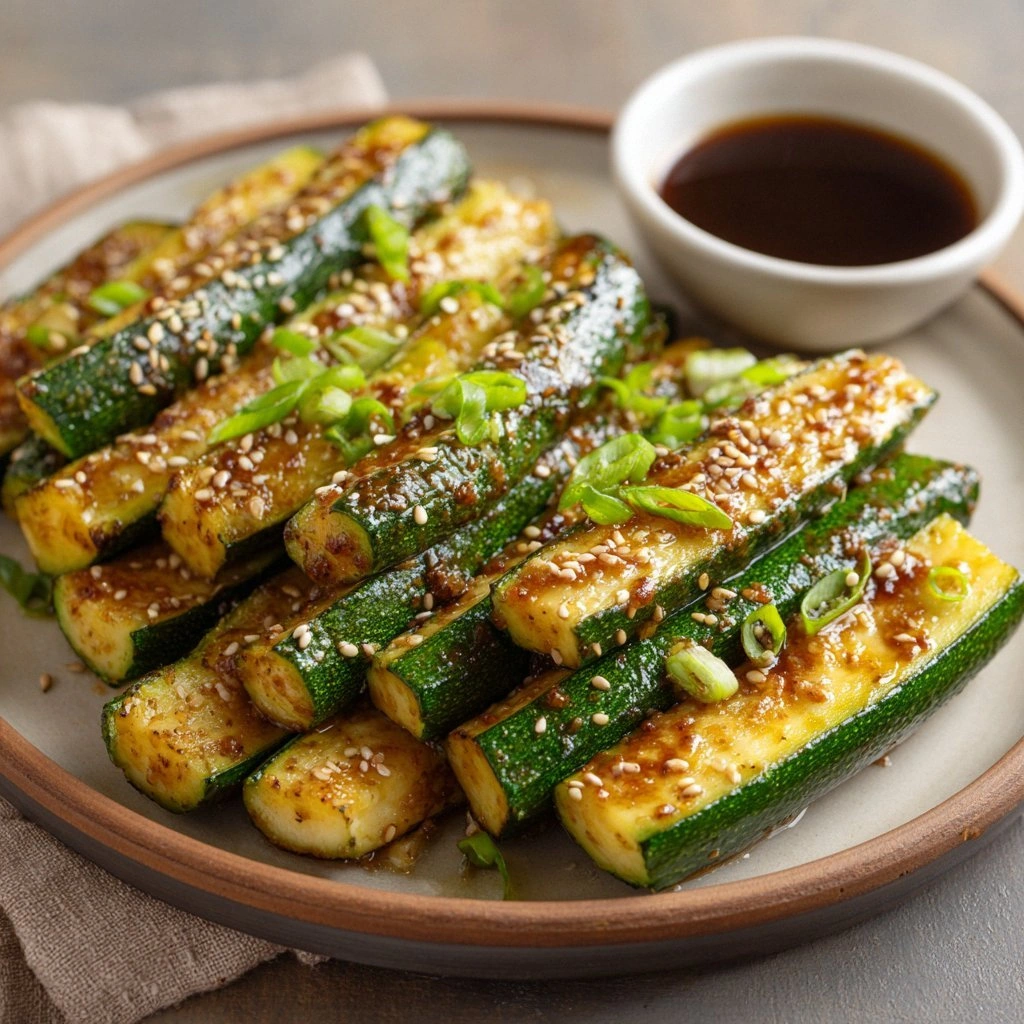
- Visual Appeal: The glossy glaze and toasted sesame seeds give it a restaurant‑level finish that will impress even the most skeptical diners.
- Health: Low in fat, high in veggies, and the sweet elements come from natural sources like mirin and fresh zucchini, not artificial sugar.
- Make‑ahead Friendly: The sauce can be pre‑made, and the zucchini can be cooked a few hours early, then reheated without losing crunch.
- Ingredient Quality: Using fresh, organic zucchini and high‑quality soy sauce makes a noticeable difference in flavor depth.
Alright, let’s break down exactly what goes into this masterpiece…
Inside the Ingredient List
The Flavor Base
At the heart of this dish lies a sauce that is both sweet and savory. The soy sauce provides the umami backbone, while the mirin adds a gentle sweetness that caramelizes beautifully. Sugar, used sparingly, rounds out the flavors and gives the glaze its glossy finish. Together, these components create a sauce that coats each zucchini slice like a velvet ribbon.
Skipping any of these will change the dish’s personality. Without soy, the sauce loses depth; without mirin, the glaze feels flat; without sugar, the caramelization is muted. Each ingredient is essential to the final flavor profile, and the proportions are finely tuned for maximum impact.
Swapping soy for tamari is a great option for those avoiding wheat, and a dash of honey can replace sugar if you prefer a more natural sweetener. If you’re in a pinch, a tablespoon of hoisin sauce can double as a sweet, savory base, though the texture will shift slightly.
When shopping, look for a low‑sodium soy sauce to keep the dish balanced. The mirin should be genuine, not imitation, to preserve its subtle sweetness and depth. A high‑quality sugar—white or brown—works best for the glaze’s caramelized look.
The Texture Crew
Zucchini is the star, sliced into thin, uniform strips to ensure even cooking. Thin slices allow the heat to penetrate quickly, creating a crisp exterior while the interior remains tender. The cut should be about 1/8 inch thick, which is the sweet spot for both texture and flavor absorption.
Using a mandoline slicer speeds up the process and guarantees uniformity, but a sharp knife works just fine if you’re careful. The uniformity is key; uneven slices lead to uneven cooking and a less satisfying bite.
If you prefer a slightly softer texture, you can blanch the zucchini before searing. However, this will reduce the crispness that is integral to the dish’s appeal.
When selecting zucchini, choose firm, bright green specimens with smooth skins. Avoid those with yellow spots or soft patches, as they will release excess moisture and hinder the searing process.
The Unexpected Star
Cracked red pepper flakes are the secret ingredient that gives the dish a subtle, lingering heat. They are added at the end to preserve their aroma and to keep the dish from becoming overwhelmingly spicy.
Without the pepper flakes, the dish feels sweet and savory but lacks that final zing that makes it memorable. The flakes also add a pop of color, making the dish visually exciting.
For a milder version, reduce the amount of red pepper flakes or replace them with a pinch of smoked paprika. If you love heat, you can double the flakes and add a splash of sriracha for an extra kick.
When handling pepper flakes, a quick pinch and a quick toss into the pan ensures even distribution without overpowering the dish.
The Final Flourish
To finish, toasted sesame oil and toasted sesame seeds add a nutty aroma and a subtle crunch that elevates the dish. The sesame oil’s toasted flavor complements the sweet glaze, while the seeds provide a textural contrast.
Green onions, thinly sliced, add a fresh, sharp note that cuts through the richness of the glaze. They also bring a pop of color that brightens the plate.
Salt and pepper are added to taste at the end, ensuring the seasoning is perfectly balanced. A pinch of salt enhances the sweetness, and a dash of black pepper adds a gentle warmth.
When adding the final touches, do so just before serving. This preserves the freshness of the green onions and the crunch of the sesame seeds.
Everything's prepped? Good. Let's get into the real action...
The Method — Step by Step
- Heat a large non‑stick skillet over medium‑high heat until it shimmers. Add 1 tablespoon of sesame oil, letting it swirl around the pan. The oil should heat to a temperature where a drop of water sizzles instantly. This preheat ensures the zucchini gets a perfect sear. The sizzling sound is the first hint that your dish is about to shine.
- Add the zucchini strips in a single layer, avoiding overcrowding. Sauté for 2–3 minutes on each side until golden brown and slightly caramelized. Flip only once to maintain the crisp edges. The goal is a crispy exterior with a tender interior. Keep an eye on the heat to avoid burning.
- While the zucchini cooks, combine 2 tablespoons soy sauce, 1 tablespoon mirin, 1 tablespoon sugar, 1 minced garlic clove, and 1 teaspoon grated ginger in a small bowl. Whisk until the sugar dissolves. This sauce will be the flavor backbone of the dish.
- When the zucchini is nearly done, pour the sauce over the pan. Stir to coat each slice evenly. Let it simmer for 1–2 minutes until it thickens slightly. The glaze should coat the zucchini like a glossy coat of paint. The aroma will intensify, signaling readiness.
- Add a pinch of crushed red pepper flakes to the pan, stirring for 30 seconds. The heat should be gentle, just enough to release the aroma. This step adds a subtle kick without overpowering the sweetness.
- Remove the pan from heat and drizzle 1 teaspoon of toasted sesame oil over the zucchini. Toss gently to coat. The oil adds a nutty finish that elevates the glaze. It also gives the dish a subtle sheen.
- Finish by sprinkling 2 tablespoons toasted sesame seeds and 1/4 cup sliced green onions. Toss again to distribute evenly. The seeds add crunch, while the onions add freshness. Plate immediately for the best texture.
- Serve hot over steamed rice or quinoa for a balanced meal. The dish pairs beautifully with a side of miso soup or a fresh cucumber salad. If you’re in a hurry, it also works as a quick stir‑fry.
That’s it — you did it. But hold on, I've got a few more tricks that'll take this to another level…
Insider Tricks for Flawless Results
The Temperature Rule Nobody Follows
Many cooks lower the heat too early, causing the zucchini to steam rather than sear. Keep the heat high until the first golden crust forms. This lock‑in technique preserves the crunch and caramelization.
Why Your Nose Knows Best
Smell the sauce before adding it to the pan. If it smells too sharp, let it sit for a minute to mellow. Your nose is a reliable guide to the dish’s readiness.
The 5‑Minute Rest That Changes Everything
After cooking, let the zucchini rest for 5 minutes. The residual heat continues to cook the interior, ensuring even doneness without overcooking the edges. This simple pause improves texture.
Keep It Dry
Pat the zucchini dry with a paper towel before cooking. Moisture is the enemy of crispness; a dry surface sears beautifully.
Use the Right Pan
A heavy‑bottomed pan distributes heat evenly, preventing hot spots that burn the zucchini. A non‑stick surface is fine, but a cast iron gives a deeper sear.
Don’t Rush the Sauce
Let the sauce reduce slowly; rushing it causes bitterness. Patience is key to a silky glaze.
Creative Twists and Variations
This recipe is a playground. Here are some of my favorite ways to switch things up:
Spicy Korean Twist
Swap the soy sauce for Korean gochujang and add a splash of rice vinegar. The result is a spicy, tangy glaze that pairs well with grilled tongs. Perfect for a night when you crave something bold.
Vegan Protein Boost
Add cubed tofu or tempeh to the pan after the zucchini. The tofu absorbs the glaze, making a hearty, plant‑based main dish.
Crunchy Crunch
Top the finished dish with crushed roasted peanuts or cashews. The nutty crunch adds a delightful contrast to the silky glaze.
Herb‑Infused
Stir in a handful of fresh basil or cilantro before serving. The herbs add brightness and a fresh aroma that lifts the dish.
Gluten‑Free Option
Use tamari instead of soy sauce and skip the sesame seeds if you’re sensitive. The flavor stays intact while keeping the dish gluten‑free.
Storing and Bringing It Back to Life
Fridge Storage
Store leftovers in an airtight container for up to 3 days. The glaze can thicken, so reheat gently over low heat, adding a splash of water to loosen it back into a glossy sauce.
Freezer Friendly
Freeze in a single‑layer tray, then transfer to a freezer bag. It stays good for up to 2 months. Thaw overnight in the fridge before reheating.
Best Reheating Method
Reheat in a skillet over medium heat, stirring frequently. Add a teaspoon of water or broth to keep the glaze from drying out. The dish will regain its original texture and flavor.
Remember: a tiny splash of water before reheating steams the zucchini back to perfection, restoring the crisp edges and glossy finish.