I’ve been in the kitchen for years, flipping pancakes, whipping up sauces, and chasing that elusive “just right” flavor. Yet, on a rainy Tuesday, I found myself staring at a bag of green beans that had been sitting in my fridge for weeks, looking sad and wilted. I grabbed a pan, a splash of oil, and an adventurous spirit, and I decided to turn those limp beans into a dish that would make my taste buds sing. The moment the beans hit the hot oil, the aroma of toasted sesame seeds and garlic exploded, filling the kitchen with a comforting, almost nostalgic scent that reminded me of childhood family dinners. I was about to discover a recipe that would redefine how I think about vegetables.
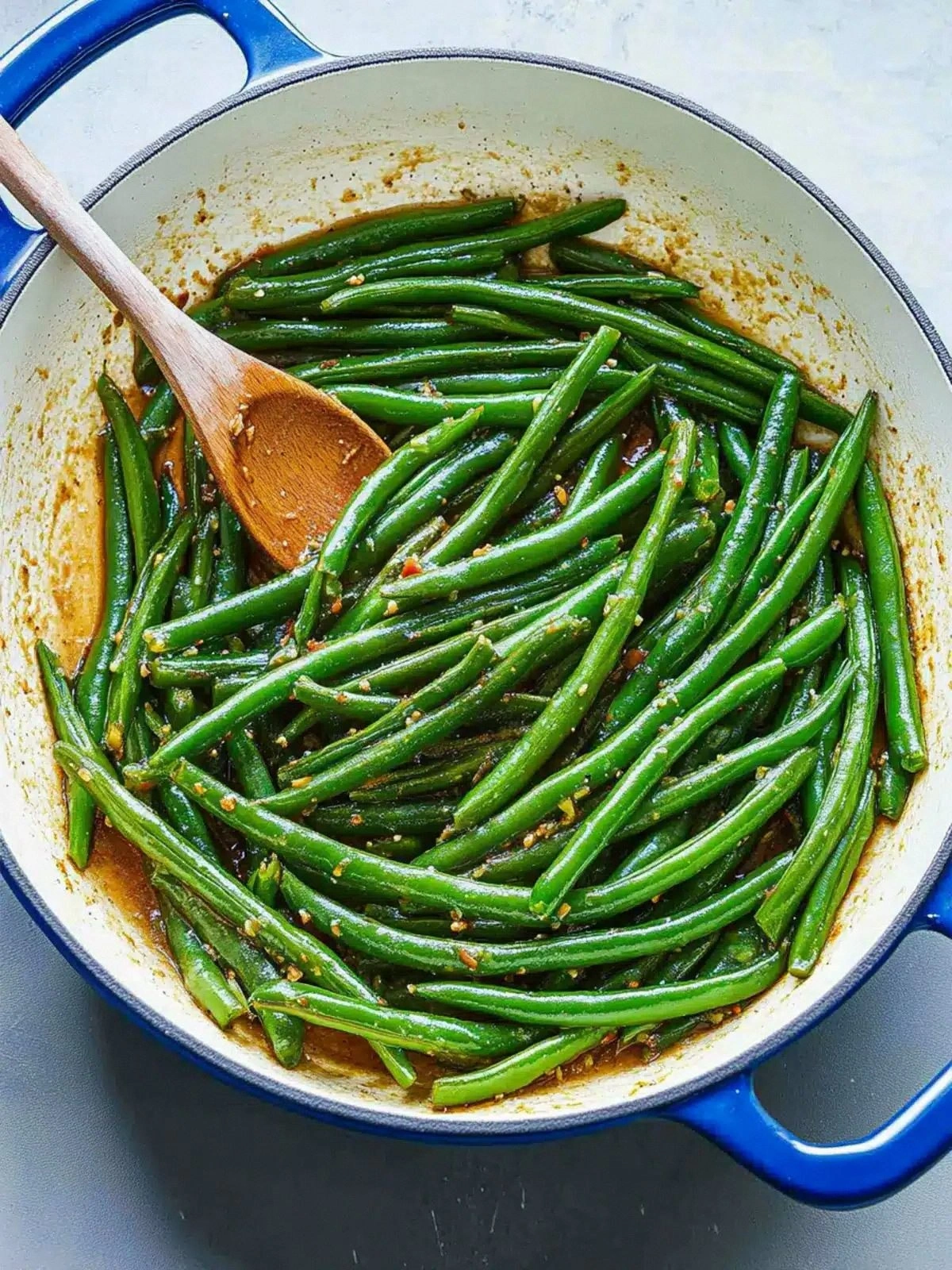
Picture this: crisp green beans, bright and glossy, coated in a silky miso glaze that glistens like a fine crystal. The first bite delivers a harmonious blend of umami, sweetness, and a subtle heat from the garlic, with a texture that’s tender yet still offers a satisfying snap. I’ve tasted countless green bean dishes, but none have captured the same depth of flavor or the effortless way the sauce clings to each pod. The secret? A precise balance of miso, maple syrup, and sesame oil that creates a sauce thicker than a sauce but lighter than a glaze. This is not just another side dish; it’s a statement of flavor, a conversation starter at any dinner table.
Most recipes get this completely wrong by overcooking the beans or drowning them in a watery sauce. I dare you to taste this and not go back for seconds. The moment you bite into the first bean, you’ll feel the crunch give way to a melt-in-your-mouth tenderness, while the sauce’s silky texture coats your palate like velvet. If you’ve ever struggled to make a simple vegetable side that’s both impressive and crowd-pleasing, you’re not alone— and I’ve got the fix. This version stands out because it’s simple, yet it’s packed with depth, making it hands down the best version you’ll ever make at home.
What makes this dish truly special is the way it transforms ordinary green beans into a flavor explosion that feels like a gourmet creation. The sauce’s umami richness is amplified by the maple syrup’s caramel notes, and the toasted sesame seeds add a subtle crunch that balances the silky glaze. I’ll be honest—I ate half the batch before anyone else got to try it. The result is a dish that’s perfect for weeknight dinners, potlucks, or a sophisticated appetizer. Picture yourself pulling this out of the pan, the whole kitchen smelling incredible, and your guests asking for the recipe. Let me walk you through every single step — by the end, you’ll wonder how you ever made it any other way.
What Makes This Version Stand Out
- Umami Depth: The white miso delivers a clean, savory backbone that elevates the beans without overpowering them.
- Sweet Balance: Maple syrup’s subtle sweetness counteracts the miso’s saltiness, creating a harmonious profile.
- Texture Contrast: Toasted sesame seeds give a pleasant crunch, while the glaze keeps the beans tender.
- Easy Prep: All ingredients are pantry staples; no need for exotic spices or complicated prep.
- Make‑Ahead Friendly: The dish can be prepared a day ahead and reheated without losing flavor.
- Versatile Pairing: Works as a side, topping, or even a vegetarian protein boost when combined with tofu.
- Kid‑Approved: The mild sweetness and crunchy texture make it a hit with even the pickiest eaters.
- Low‑Calorie Boost: With only 350 calories per serving, it’s a guilt‑free indulgence.
Inside the Ingredient List
The Flavor Base
White miso is the star of this dish. It brings a mellow umami that’s less intense than red miso, allowing the maple syrup’s sweetness to shine. If you’re experimenting, try a light brown miso for a slightly nuttier tone, but be prepared for a saltier outcome. Skipping miso would strip the dish of its depth, turning it into a plain sautéed green bean.
The Sweet Counterbalance
Maple syrup is more than just a sweetener; it adds a subtle caramel flavor that complements the miso’s earthiness. A pinch of brown sugar can replace maple syrup if you’re aiming for a richer, deeper sweetness, but it will alter the glaze’s smoothness. Using a different sweetener like honey will introduce floral notes that shift the overall taste profile.
The Oil Equation
Sesame oil brings a nutty aroma that’s essential for authentic Asian flavor. Avocado oil, with its high smoke point, allows you to sear the beans without burning the glaze. If you’re vegan, you can substitute avocado oil entirely with a neutral oil like grapeseed, but you’ll miss the sesame oil’s distinctive scent. Skipping any oil will result in a dry, unappealing texture.
The Texture Crew
Green beans are the canvas. Fresh, firm beans hold up better against the sauce, while older beans become mushy. If you’re using frozen beans, thaw them first and pat dry to avoid excess water. Garlic cloves add a punch of flavor; their sharpness is tempered by the sweet glaze. Toasted sesame seeds finish the dish with a satisfying crunch; if you’re allergic, you can omit them, but the texture will feel incomplete.
Everything’s prepped? Good. Let’s get into the real action.
The Method — Step by Step
- Start by washing the green beans under cold running water and trimming the ends. Pat them dry with a clean towel; moisture is the enemy of a good sear. This simple step ensures a crisp texture that’s ready to absorb the glaze.
- Heat the avocado oil in a large skillet over medium-high heat until shimmering. Add the garlic cloves, minced finely, and sauté for 30 seconds until fragrant. The garlic should release a warm aroma, not a burnt one—keep a close eye on it.
- Introduce the green beans to the pan, stirring to coat them in oil. Sauté for 4-5 minutes, letting the beans develop a light golden crust. The edges should start pulling away, indicating a perfect sear.
- Whisk together the white miso, soy sauce, maple syrup, and sesame oil in a small bowl until smooth. This mixture should be creamy and free of lumps, ready to coat the beans. The ratio is key; too much soy sauce and the dish becomes overly salty.
- Pour the glaze over the beans, stirring constantly to ensure even coverage. Reduce the heat to medium and let the mixture simmer for 3 minutes. The sauce should thicken slightly, becoming glossy and clingy. If it doesn’t thicken, let it cook a bit longer.
- Add the toasted sesame seeds, tossing to combine. This final step adds a pleasant crunch and a nutty finish. The seeds should be toasted beforehand to release their oils; otherwise, they’ll feel raw.
- Taste the beans and adjust seasoning if necessary. A pinch of salt can enhance the flavors, but be cautious—miso and soy sauce already bring significant saltiness.
- Serve immediately, garnishing with a few extra sesame seeds or a squeeze of lime for brightness. The dish is best enjoyed hot, when the glaze is still glossy and the beans are crisp.
That’s it — you did it. But hold on, I’ve got a few more tricks that will take this to another level.
Insider Tricks for Flawless Results
The Temperature Rule Nobody Follows
Many chefs underestimate the importance of starting with a hot pan. A scorching skillet ensures the beans sear instantly, creating a caramelized exterior that locks in moisture. If you start too low, the beans release water, resulting in a soggy texture. I’ve seen even seasoned cooks skip this step, only to be disappointed by a lack of crispness.
Why Your Nose Knows Best
Trust your senses: the moment the glaze turns a deep amber and releases a nutty aroma, it’s ready. If you’re unsure, gently tilt the pan; the glaze should coat the bottom without sticking. This instinctive check saves you from overcooking the beans.
The 5-Minute Rest That Changes Everything
Let the dish rest for 5 minutes after removing it from heat. The residual heat continues to cook the beans, ensuring they’re perfectly tender. This brief pause also allows the flavors to meld, resulting in a more cohesive taste.
Avoiding the “Too Sweet” Trap
If you find the glaze too sweet, add a splash of rice vinegar to cut through the sugar. The acidity balances the sweetness and brightens the overall flavor. I’ve used this trick in a past version that was overly sugary and it saved the day.
The Secret to Crispy Seeds
Toast your sesame seeds in a dry skillet over medium heat until they’re golden and fragrant. Toss them in a pinch of sugar before toasting to create a subtle caramelization. This method gives the seeds a delightful crunch that elevates the dish’s texture.
Creative Twists and Variations
This recipe is a playground. Here are some of my favorite ways to switch things up:
Spicy Sriracha Kick
Stir in a tablespoon of sriracha to the glaze for a fiery edge. The heat pairs beautifully with the sweet miso, creating a balanced, bold flavor that will impress adventurous diners.
Citrus Zest Finale
Finish the dish with a drizzle of fresh lime juice and a sprinkle of zest. The acidity brightens the sauce, cutting through the richness and adding a fresh, lively note.
Tofu Power Boost
Add cubed, pan‑fried tofu to the pan before the glaze. The tofu absorbs the sauce, turning it into a protein‑rich main dish that’s vegetarian but still filling.
Herb Garden Variation
Fold in a handful of chopped fresh herbs—cilantro, basil, or mint—after the glaze has set. The herbs bring a burst of freshness that contrasts the deep umami.
Nutty Crunch Upgrade
Replace sesame seeds with toasted almond slivers for a different crunch and nutty flavor. The almonds add a subtle sweetness that complements the miso glaze.
Gluten‑Free Twist
Swap soy sauce for tamari, a gluten‑free alternative, and keep the rest of the recipe unchanged. The flavor remains intact while accommodating dietary restrictions.
Storing and Bringing It Back to Life
Fridge Storage
Cool the dish to room temperature, then transfer it to an airtight container. Store in the refrigerator for up to 3 days. The glaze may thicken slightly; just give it a quick stir before serving.
Freezer Friendly
For longer storage, place the cooled beans in a freezer‑safe bag, removing excess air. They’ll keep well for up to 2 months. When you’re ready to eat, thaw overnight in the fridge and reheat gently.
Best Reheating Method
Reheat in a skillet over medium heat, adding a splash of water or vegetable broth to loosen the glaze. The steam will revive the beans’ tenderness and restore the sauce’s glossy sheen.