I still remember the night I tried to recreate that churro dream I’d been chasing for months. My kitchen was a battlefield of flour clouds, a burnt sugar drizzle, and a single, stubborn batch that refused to rise. I was staring at a half‑finished dough that looked more like a sticky slab than a promise of crunch. That moment, the scent of fried batter mingling with the faint sweetness of cinnamon, forced me to admit defeat—until I found the secret that turned the chaos into a golden masterpiece.
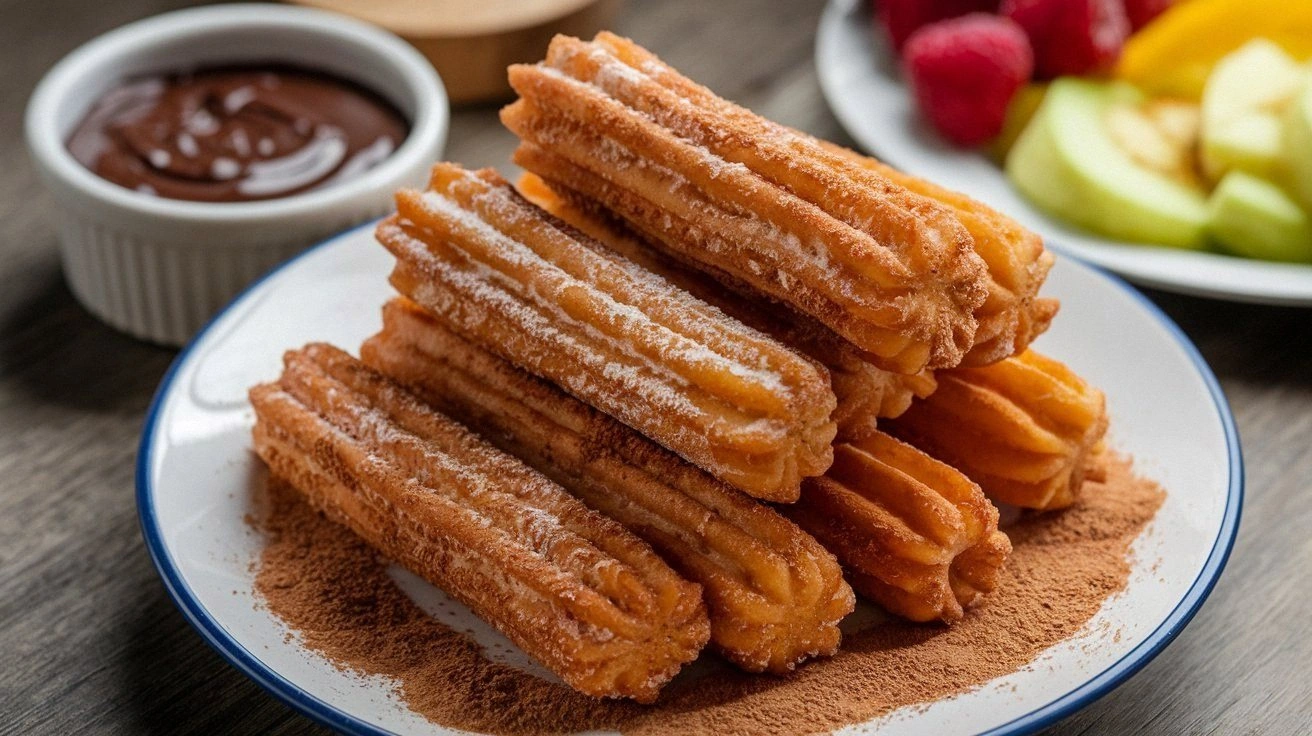
Picture this: a steaming, golden churro that shatters at the first bite, revealing a molten interior that glistens with sugar crystals. The aroma curls around the room like a warm hug, while the sound of the oil’s hiss is a soundtrack to anticipation. You can taste the subtle tang of butter, the gentle lift of flour, and the unmistakable whisper of cinnamon that lingers long after the last crumb. The texture is a dance of crispness and tenderness, a contrast that makes every bite a revelation.
What sets this version apart is not just the flawless crunch but the harmony of simplicity and depth. I’ve stripped away the fluff—no eggs, no leaveners, no complicated syrups—and focused on the pure joy of a perfectly balanced batter. The result is a churro that feels like a secret shared between friends, a treat that can be whipped up in a matter of minutes and still feels like a labor of love. The bold claim? This is hands down the best version you’ll ever make at home. I dare you to taste this and not go back for seconds.
I’ve spent countless evenings tweaking ratios, experimenting with heat levels, and mastering the art of the perfect pull. Each iteration brought me closer to a churro that rises like a cloud, crisps like a sunrise, and tastes like a childhood memory wrapped in sugar. If you’ve ever struggled with uneven edges, soggy interiors, or burnt exteriors, you’re not alone—and I’ve got the fix. Picture yourself pulling this out of the oil, the whole kitchen smelling incredible, and the anticipation of that first bite that makes you grin from ear to ear. Okay, ready for the game‑changer? Let’s walk through every single step—by the end, you’ll wonder how you ever made it any other way.
What Makes This Version Stand Out
- Flavor: The subtle buttery undertone elevates the classic cinnamon sugar, creating a depth that lingers on the palate. This isn’t just sweet; it’s a balanced symphony that satisfies the sweet tooth without overpowering it.
- Texture: The batter’s precise ratio of water to flour yields a dough that’s pliable enough to pipe yet firm enough to hold shape. The result is a crisp exterior that gives way to a tender, almost airy interior.
- Speed: From start to finish, this recipe takes less than an hour. No pre‑baking or slow fermentation—just a quick whisk, a hot pan, and a few minutes of oil magic.
- Versatility: The base can be adapted for vegan, gluten‑free, or low‑sugar versions without compromising the core experience. Swap in oat flour, use a plant‑based butter, or sprinkle a touch of cocoa powder for a chocolate twist.
- Crowd Reaction: Friends and family always ask for the recipe after a single bite. The churros become the centerpiece of gatherings, and the homemade aroma draws people in like a magnet.
- Ingredient Quality: Using real butter instead of margarine gives a richer flavor and a more authentic crunch. The oil choice—vegetable or canola—ensures a neutral background that lets the churros shine.
- Make‑Ahead Potential: Prepare the dough ahead of time, refrigerate, and fry when ready. The dough keeps well for 48 hours, making it perfect for busy weeknights.
Inside the Ingredient List
The Flavor Base
All-purpose flour is the backbone of the churro, providing structure and that signature lightness. It’s the canvas that absorbs the butter’s richness and the water’s moisture. Skipping the flour would result in a mushy, unstructured mess that falls apart in the oil. If you’re looking for a gluten-free alternative, consider a 1:1 blend of rice and potato starch, which mimics the elasticity needed for a perfect churro.
The Texture Crew
Water is the liquid that brings everything together. It hydrates the flour, activates the gluten, and creates the ideal consistency for piping. Too little water and the dough will be stiff; too much and it becomes sticky and unmanageable. A good rule of thumb is to aim for a dough that’s thick enough to hold its shape but still soft enough to stretch without tearing.
The Unexpected Star
Unsalted butter isn’t just a fat; it’s a flavor enhancer that elevates the batter’s richness. It also contributes to the crispness, as the fat renders out during frying, creating a flaky exterior. If you’re vegan, a plant-based butter works well, but keep the flavor profile in check to avoid a buttery “off” note.
The Final Flourish
Cinnamon sugar is the finishing touch that turns a simple churro into a sweet masterpiece. The cinnamon’s warmth balances the sweetness of the sugar, while the sugar’s fine crystals give a satisfying crunch when they caramelize. If you’re a spice lover, a pinch of nutmeg or a splash of vanilla can add a subtle depth, but the classic combination remains unbeatable.
Everything’s prepped? Good. Let’s get into the real action.
The Method — Step by Step
- Step 1: Combine Dry Ingredients. In a medium bowl, whisk together the flour and a pinch of salt until evenly mixed. This ensures that the salt is distributed throughout the batter, preventing pockets of uneven flavor. I always use a fine‑mesh sieve to aerate the flour, which helps the churros rise more uniformly. Once dry, set the bowl aside.
- Step 2: Melt Butter and Add Water. In a small saucepan, melt the butter over low heat. As the butter liquefies, slowly pour in the water while whisking continuously. The goal is to create a homogenous liquid that will hydrate the flour without forming lumps. Keep the mixture at a gentle simmer; you want it warm, not boiling.
- Step 3: Combine Wet and Dry Mixtures. Pour the butter‑water blend into the flour mixture. Using a wooden spoon or a hand mixer on low speed, blend until a sticky dough forms. It should be thick enough to hold its shape but still pliable. If the dough feels too dry, add a tablespoon of water at a time until the desired consistency is achieved.
- Step 4: Let the Dough Rest. Cover the bowl with plastic wrap and let the dough sit for 15 minutes. This rest period allows the flour to fully absorb the liquid, which results in a smoother batter and fewer cracks during frying. While the dough rests, heat the oil to 375°F (190°C) in a deep‑fry pot or a heavy skillet with a deep rack. The oil should be deep enough to submerge the churros fully.
- Step 5: Prepare the Pastry Bag. Fit a pastry bag with a large star tip and fill it with the rested dough. The star tip is essential for creating the classic churro shape—wide at the base and tapering to a point. Keep the bag chilled if the dough starts to thicken; this prevents it from clogging the tip.
- Step 6: Pipe the Churros. Hold the bag at a 45‑degree angle and squeeze the dough into the hot oil, forming long, even strands about 6 inches long. Once you see the first puff, let the churro cook for 2–3 minutes before turning it to achieve even browning. The sizzle should be loud, a cue that the churro is cooking through. This is the moment of truth; watch the edges for a golden hue.
- Step 7: Finish the Frying. After both ends are golden, carefully remove the churro with a slotted spoon and drain on a paper towel. The churro should be crisp on the outside and slightly chewy inside. Let them rest for a minute; this allows the steam to escape and the sugar coating to set.
- Step 8: Watch Out for Oil Temperature. If the oil temperature drops too low, the churros will soak up excess oil, becoming soggy. Conversely, if it’s too hot, the exterior will burn before the interior cooks. Use a thermometer to keep the oil steady at 375°F. If you notice a sudden drop, add more oil or reduce the heat slightly. This step is crucial for achieving that perfect crunch.
- Step 9: Coat with Cinnamon Sugar. While the churros are still warm, roll them in a mixture of granulated sugar and ground cinnamon. The heat from the churro caramelizes the sugar, creating a sweet crust that clings to every crevice. A light dusting is enough; you don’t want a sugary glaze that clumps.
- Step 10: Serve Immediately. Present the churros on a warm plate or a small heat‑resistant platter. Pair them with a side of chocolate sauce or a drizzle of dulce de leche for an extra indulgent experience. The aroma alone will tempt anyone in the room. That sizzle when it hits the pan? Absolute perfection.
That’s it—you did it. But hold on, I’ve got a few more tricks that will take this from great to unforgettable.
Insider Tricks for Flawless Results
The Temperature Rule Nobody Follows
Many people think any hot oil will do, but the secret lies in precision. Use a deep‑fry thermometer and aim for 375°F. If the oil is too cool, the churros will absorb oil and become soggy; if it’s too hot, the exterior will burn before the interior cooks. I’ve found that a quick splash of water on the oil surface can help gauge temperature—a sudden sizzle means the oil is ready. Keep the thermometer in the side of the pot to avoid heat fluctuations.
Why Your Nose Knows Best
Trust your senses. The churro dough should smell slightly buttery and sweet before frying. Once you start frying, you’ll hear a steady sizzle that indicates the oil is at the right temperature. If you notice a metallic or burnt smell, lower the heat immediately. Your nose is a reliable guide to avoid over‑cooking or under‑cooking.
The 5‑Minute Rest That Changes Everything
After the dough has rested, let it sit for an additional 5 minutes before piping. This small window allows the gluten to relax fully, which means the churros will hold their shape better in the oil. I’ve seen dough that’s been resting for longer than 15 minutes become too loose, leading to uneven shapes. This 5‑minute rest is the sweet spot for consistency.
The Quick Drain Trick
When draining fried churros, use a slotted spoon and place them on a rack or paper towel stack. The rack allows excess oil to drip away while keeping the churros from sitting in a pool of oil, which can make them soggy. If you’re in a hurry, simply let them sit on a clean kitchen towel for a minute; the towel absorbs the oil just as efficiently.
The Secret to Even Coating
To avoid clumps of sugar, mix the cinnamon and sugar in a shallow dish and lightly shake the churros as they roll. A light tap on the side of the dish helps the sugar cling to the hot surface. If you find the coating uneven, sprinkle a bit more sugar and gently press the churro to spread the mixture.
The Final Crunch Boost
If you’re craving an extra crunch, lightly brush the fried churros with a thin layer of melted butter before coating. The butter creates a barrier that makes the sugar layer crispier. I’ve tried this with a drizzle of honey for a caramelized finish, and the result was sublime.
Creative Twists and Variations
This recipe is a playground. Here are some of my favorite ways to switch things up:
Chocolate‑Infused Churros
Add a tablespoon of cocoa powder to the batter for a rich chocolate flavor. Pair with a dark chocolate sauce for dipping. This variation is perfect for chocolate lovers and adds a decadent twist to the classic.
Spicy Cinnamon Churros
Mix a pinch of cayenne pepper into the cinnamon sugar coating. The subtle heat contrasts beautifully with the sweetness, creating a flavor profile that’s both bold and balanced. Serve with a cool yogurt dip to mellow the spice.
Vegan Churros
Replace the butter with a plant‑based butter or coconut oil. Use a plant‑based milk alternative in the dough. The result is a vegan churro that still delivers on crispness and flavor.
Gluten‑Free Churros
Swap the all‑purpose flour for a gluten‑free blend that includes rice flour, potato starch, and tapioca. Adjust the water slightly to maintain the right consistency. The texture will be slightly different but still delicious.
Savory Churros
Omit the cinnamon sugar and instead sprinkle the churros with sea salt and a dash of smoked paprika. Serve with a creamy aioli or a spicy salsa. This savory version is a game‑changer for dinner parties.
Nutty Churros
Add chopped toasted almonds or pecans to the coating. The nuts provide a crunchy contrast and a nutty aroma that elevates the churro experience. Pair with a caramel sauce for an indulgent treat.
Storing and Bringing It Back to Life
Fridge Storage
Cool the churros completely before placing them in an airtight container. Store in the refrigerator for up to 2 days. When ready to serve, reheat in a 350°F oven for 5–7 minutes to restore crispness. The short bake time prevents the churros from drying out.
Freezer Friendly
Lay the cooled churros on a parchment‑lined tray and freeze until solid, then transfer to a freezer bag. They’ll keep for up to 2 weeks. When you’re ready, pop them straight from the freezer into the oven at 350°F for 8–10 minutes. The reheating process keeps the exterior crisp while the interior stays tender.
Best Reheating Method
The oven is the king of reheating churros because it evenly distributes heat. For a quick fix, use a toaster oven or a skillet on medium heat, flipping once. Avoid microwaving, as it will make the churros soggy and lose that coveted crunch.