I remember the night my kitchen turned into a battlefield: the skillet was a blazing inferno, the onions were burning like tiny suns, and the steak—well, it was a sad, charred mess that made me wish I’d never opened the fridge that morning. That disaster was the spark that lit my obsession with Philly cheesesteak, and I decided to give it a pasta makeover that would make your taste buds do the cha‑cha. The result is a creamy, cheesy, savory swirl of flavors that feels like a hug from the inside out.
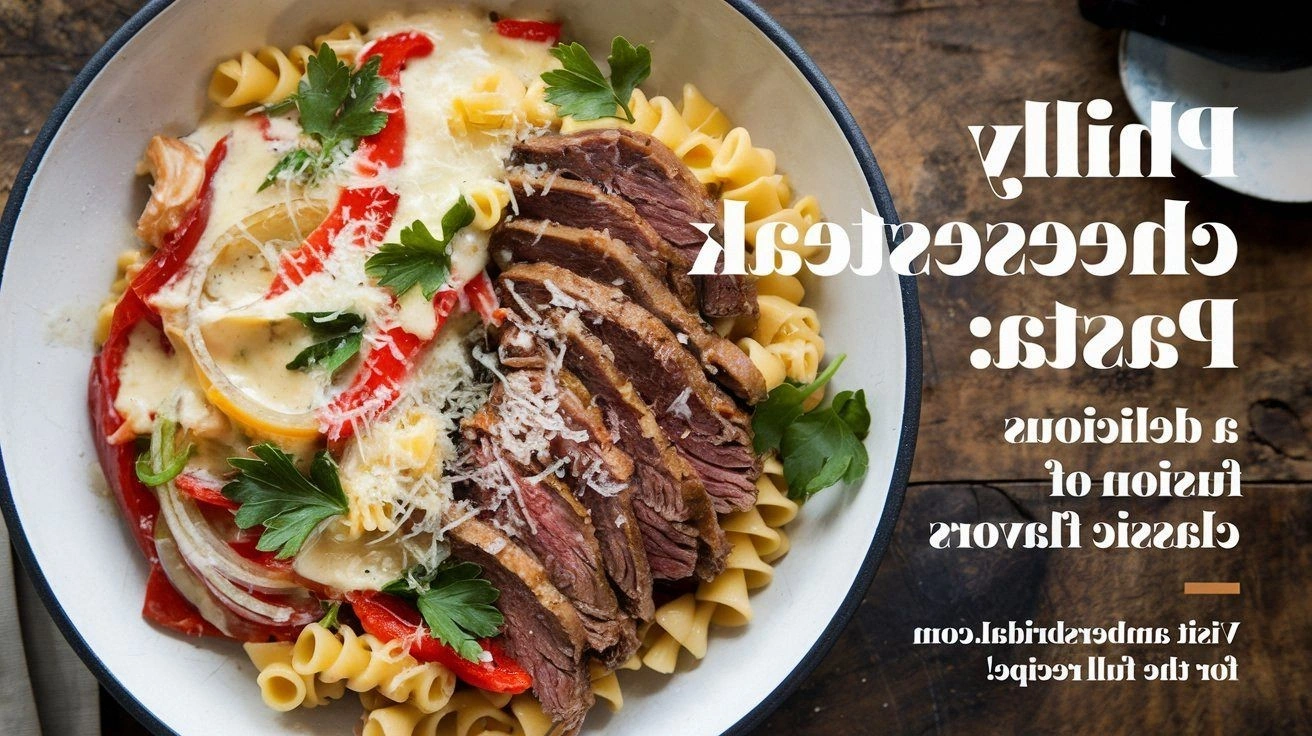
Picture the aroma: sizzling beef, caramelized onions, and the faint, smoky scent of paprika mingling with the buttery whisper of cream. The sound is a satisfying crackle as the skillet heats, and the visual feast of golden strips of steak dancing in a sea of melted cheese is simply irresistible. When you take that first bite, the pasta is coated in a silky sauce that clings like velvet, while the cheese pulls in a gooey, molten wave that makes you smile like a kid in a candy store.
What makes this version stand out is that it’s not just a mash‑up of two classics; it’s a deliberate, thoughtfully balanced dish that elevates every component. I’ve tuned the seasoning to hit the sweet spot between savory and slightly smoky, used a blend of cheeses that melt together beautifully, and added a touch of cream that turns the pasta into a silky canvas. The result is hands down the best version you’ll ever make at home, and I dare you to taste this and not go back for seconds.
And there’s a twist you won’t expect—an unexpected splash of Worcestershire sauce that adds depth and a hint of umami, making the sauce sing. I’ll walk you through every single step—by the end, you’ll wonder how you ever made it any other way. Let’s dive in.
What Makes This Version Stand Out
- Flavor: The sauce balances creamy richness with a savory punch from beef, onions, and Worcestershire, creating layers that linger on the palate.
- Texture: The pasta is al dente, while the cheese melts into a silky ribbon, and the beef stays tender with a slight char for contrast.
- Ingredient Quality: Using fresh, high‑grade steak and sharp cheddar gives the dish depth that pre‑made mixes simply can’t match.
- Simplicity: Despite the complex flavor profile, the recipe requires only ten minutes of prep and 30 minutes of cook time.
- Crowd‑Pleaser: It’s the kind of dish that turns a casual dinner into a party, with guests asking for seconds and a recipe card.
- Make‑ahead Potential: The sauce can be prepared ahead and reheated, making it perfect for busy weeknights or last‑minute gatherings.
- Versatility: Swap the beef for chicken or add veggies for a lighter version, and you’ll still hit the same delicious benchmark.
Alright, let's break down exactly what goes into this masterpiece...
Inside the Ingredient List
The Flavor Base
Ground beef is the heart of this dish; it brings a meaty depth that’s unmistakably Philly. Slice it thinly so it cooks quickly, preventing it from becoming tough. If you prefer a leaner option, substitute sirloin or ribeye strips, but remember to trim excess fat to avoid greasiness. The beef’s natural juices mingle with the onions and garlic to create a savory foundation that will carry the rest of the flavors.
The Texture Crew
Pasta is the canvas—rigatoni or penne work best because their ridges hold sauce. Cook it until just under al dente; it will finish in the pan with the sauce, absorbing flavors without becoming mushy. The onions, sliced thin, provide crunch and a sweet counterpoint to the beef’s richness. Mushrooms add earthiness, and a splash of heavy cream gives the sauce a silky mouthfeel that coats each strand.
The Unexpected Star
Worcestershire sauce might seem out of place, but it’s the secret weapon that adds a subtle umami kick, balancing the sweetness of onions and the cream’s richness. A tablespoon is enough to elevate the dish without overpowering it. If you’re averse to this tangy flavor, you can omit it, but expect a slightly less complex profile.
The Final Flourish
Cheese is the showstopper—American, mozzarella, and parmesan melt together to form a glossy, velvety coating. The American cheese gives a classic Philly melt feel, mozzarella adds stretch, and parmesan contributes a sharp, nutty finish. Fresh parsley, sprinkled at the end, adds a pop of color and a fresh herbal note that cuts through the richness.
Everything's prepped? Good. Let's get into the real action...
The Method — Step by Step
- Heat the cast‑iron skillet over medium‑high heat and add a tablespoon of olive oil. Let the oil shimmer until it’s almost smoking; that’s the cue that the pan is hot enough to sear. Add the ground beef, breaking it apart with a spatula. Cook until the edges start to brown, about 4 minutes, and then remove the meat to a plate. This step locks in juices and creates a caramelized crust that’s essential for depth.
- In the same skillet, lower the heat to medium and add the sliced onions and bell pepper. Sauté until they’re translucent and slightly caramelized, about 5 minutes. The onions release a sweet aroma that will mingle with the beef’s savory notes. Stir occasionally to prevent sticking; you want a gentle, even cook.
- Add the minced garlic and mushrooms, and cook for another 2 minutes until the mushrooms release their moisture and the garlic becomes fragrant. The garlic’s aroma should be sharp but not burnt—watch the timing carefully. This is where the “watch out” moment begins: garlic can go from aromatic to bitter in seconds.
- Return the browned beef to the skillet, and sprinkle in the Worcestershire sauce, smoked paprika, garlic powder, and salt. Stir to combine, letting the beef absorb the seasonings. The sauce should thicken slightly and coat the meat; this is the moment of truth, where the flavors start to meld.
- Pour in the heavy cream and bring the mixture to a gentle simmer. The cream should swirl in the pan, creating a glossy sauce that clings to the meat and vegetables. Simmer for 3 minutes, letting the flavors marry. The sauce should thicken but remain pourable—if it gets too thick, add a splash of milk or broth.
- Meanwhile, cook the pasta in a large pot of salted boiling water until it’s just shy of al dente, about 7 minutes. Reserve a cup of pasta water before draining; this starchy liquid will help the sauce cling to the noodles.
- Add the cooked pasta to the skillet, tossing it with the sauce and beef mixture. If the sauce seems too thick, drizzle in a little reserved pasta water to loosen it. The pasta should be coated in a creamy, cheesy blanket that feels like a warm hug.
- Remove the skillet from the heat, stir in the shredded American cheese, mozzarella, and parmesan until everything is melted and silky. The cheeses should create a glossy sheen that glistens in the light. Finally, top with fresh parsley for a burst of color and a fresh herbal note that cuts through the richness.
- Serve immediately, garnished with extra cheese or a dash of pepper if desired. The dish is best enjoyed hot, when the cheese is still gooey and the pasta is steaming. Picture yourself pulling this out of the oven, the whole kitchen smelling incredible, and your guests’ eyes lighting up with anticipation.
That’s it—you did it. But hold on, I've got a few more tricks that’ll take this to another level...
Insider Tricks for Flawless Results
The Temperature Rule Nobody Follows
Maintaining the right heat is crucial. If the skillet is too hot, the beef will burn and the onions will stick. If it’s too cool, the meat will steam instead of sear. I’ve found that medium‑high for the initial sear and medium for the sautéing phase works best. This balance ensures a caramelized crust without bitterness.
Why Your Nose Knows Best
Trust your senses. The aroma of caramelized onions signals they’re ready. If the smell is sharp or metallic, you’re overcooking. A subtle, buttery scent indicates the cream is integrating nicely. When the sauce thickens and glistens, it’s time to add the pasta.
The 5‑Minute Rest That Changes Everything
Let the dish rest for five minutes after you plate it. This allows the sauce to thicken slightly and the flavors to settle. A quick rest also lets the cheese set a bit, making each bite less runny and more cohesive. I’ve had friends who skip this step and end up with a sauce that’s too loose.
The Secret to a Silky Sauce
If the sauce feels too thick, add a splash of pasta water. The starch in the water helps the sauce cling to the noodles. Conversely, if it’s too thin, let it simmer a bit longer on low heat until it thickens to your liking. The balance is key.
The Final Cheese Toss
When adding cheese, toss the pasta in a low‑heat pan for a minute to ensure even melting. Avoid high heat; it can cause the cheese to separate. Once melted, remove from heat immediately to preserve that silky texture.
Creative Twists and Variations
This recipe is a playground. Here are some of my favorite ways to switch things up:
Veggie‑Rich Fiesta
Swap the beef for a medley of sautéed zucchini, spinach, and cherry tomatoes. The result is a lighter, colorful dish that still delivers the creamy, cheesy experience. This version is perfect for vegetarians who crave a hearty, comforting meal.
Spicy Kick
Add a teaspoon of crushed red pepper flakes or a splash of hot sauce to the sauce. The heat complements the richness of the cheese and adds an exciting contrast. Great for those who love a bit of fire in their plate.
Chicken Philly Pasta
Replace the beef with diced chicken breast, cooked until golden. The chicken’s mild flavor allows the sauce’s spices to shine through. This version is ideal for a quick weeknight dinner.
Cheese Swap
Use a mix of smoked gouda and provolone instead of American and mozzarella. The smoky gouda adds depth, while provolone provides a smooth melt. The result is a more complex, savory profile.
Pesto Twist
Stir in a tablespoon of basil pesto at the end. The herbal brightness cuts through the creaminess, giving the dish a fresh, summery vibe. It’s a great way to incorporate greens and add a pop of color.
Storing and Bringing It Back to Life
Fridge Storage
Store the finished dish in an airtight container for up to 3 days. The sauce may thicken slightly in the fridge, but it will reheat beautifully. When reheating, add a splash of milk or cream to restore its silky texture.
Freezer Friendly
For longer storage, freeze the pasta in a freezer‑safe container for up to 2 months. Thaw overnight in the refrigerator, then reheat on the stovetop, stirring in a little water or broth to loosen the sauce. The flavors remain intact, and the cheese still melts nicely.
Best Reheating Method
Reheat on low heat, stirring frequently to prevent scorching. Add a tiny splash of water or milk before reheating—this steams the dish back to perfection and keeps the sauce from drying out. The result is a plate that tastes almost freshly made.