I was halfway through a disastrous week of burnt toast, when the smell of roasted potatoes drifting from my neighbor's kitchen made me stop and stare. The golden edges of the potatoes crackled like tiny fireworks, and the scent of garlic and lemon danced through the air. I could almost taste the buttery crunch, and the memory of that first bite flooded my mind. It was a moment of pure culinary revelation, a taste of what could be. I realized then that this was the kind of dish that could turn an ordinary morning into an extraordinary one.
Picture the scene: a rustic wooden countertop, a pot of water simmering, and the rhythmic sizzle of potatoes hitting a hot pan. The sound of the pan is like a drumbeat, signaling that something delicious is about to happen. The air is thick with the aroma of fresh herbs, pepper, and the faint sweetness of avocado. The light catches the creamy avocado, turning it into a buttery canvas. The texture of the potatoes, crisp on the outside and tender inside, promises a satisfying bite. I could almost feel the warmth of the skillet in my hands.
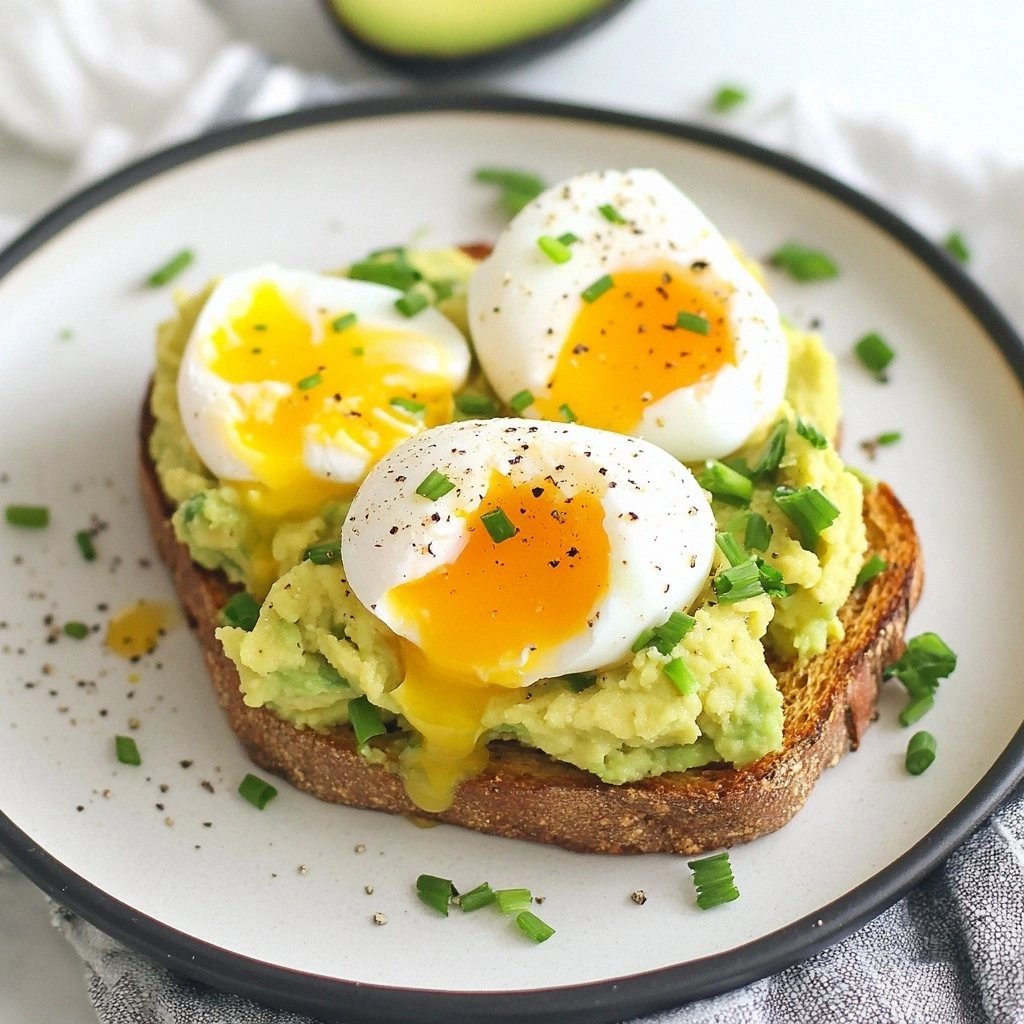
Why does this version stand out? Because it marries the humble potato and the luxurious avocado into a single bite that feels like a hug from the inside out. It turns toast into a work of art, with layers of flavor that dance across your palate. The poached eggs sit like delicate clouds, their yolks running like molten gold. The finish is a silky, herbaceous finish that lingers long after the last bite. The dish is so simple that it can be made in under 45 minutes, yet it feels like a gourmet experience. It’s the kind of recipe that will have your friends asking, “What’s in that?” every time you serve it.
And there’s a twist you won’t expect: a splash of lemon juice that brightens the avocado’s richness and a pinch of chili flakes that add a subtle kick. This combination of sweet, savory, and spicy is what sets it apart from the countless avocado toast variations out there. I dare you to taste this and not go back for seconds. Let me walk you through every single step — by the end, you'll wonder how you ever made it any other way.
What Makes This Version Stand Out
- Taste: The layered flavors of roasted potato, buttery avocado, and runny poached egg create a symphony that sings on the tongue. The subtle citrus note from lemon juice cuts through the richness, leaving a clean finish.
- Texture: Each bite delivers a contrast of crisp, tender, and silky textures. The potato’s caramelized edges give way to creamy avocado, while the egg yolk adds a luscious, almost liquid silk.
- Simplicity: With only a handful of ingredients, this dish can be whipped up in less than an hour. No elaborate sauces or complicated techniques are required.
- Uniqueness: The use of potato as the toast base is a game‑changer. It offers a hearty, earthy foundation that elevates the avocado and egg.
- Crowd Reaction: Friends who are skeptical of avocado toast are instantly converted. The dish feels indulgent yet approachable, making it a hit at brunches.
- Ingredient Quality: Fresh, ripe avocados and firm potatoes make the difference. Choosing organic or locally sourced produce enhances flavor and supports sustainability.
- Cooking Method: The combination of sautéing and poaching ensures every element is cooked to perfection without overcomplicating the process.
- Make‑Ahead Potential: The potato toast can be prepared ahead of time and reheated, while the avocado mash can be made a day in advance to save time.
Alright, let's break down exactly what goes into this masterpiece...
Inside the Ingredient List
The Flavor Base
The foundation of this dish is the potato. A medium russet potato, when sliced thin and sautéed until golden, provides a satisfying crunch that anchors the entire plate. The potato’s natural starches caramelize during cooking, creating a subtle sweetness that pairs beautifully with the avocado. If you skip the potatoes, you lose that hearty texture that makes the dish feel substantial. For a lighter version, consider using sweet potatoes, which bring a natural sweetness and a different color palette.
The avocado is the star of the flavor profile. Ripe avocados offer a creamy, buttery mouthfeel that balances the potato’s crunch. Mash them with a fork until silky, then season with sea salt, pepper, and a squeeze of lemon juice. The lemon not only brightens the flavor but also helps preserve the avocado’s green hue. If you’re short on time, a pre‑made avocado spread can be a quick alternative, though fresh is always superior.
The Texture Crew
Poached eggs are the epitome of silky texture. They add a velvety richness that melts into the avocado and potato layers. Poaching preserves the egg’s delicate structure, preventing the whites from becoming rubbery. A fresh egg is essential; the yolk should remain runny to create that luscious sauce. If you’re not comfortable with poaching, a soft‑boiled egg can be an acceptable substitute, though the texture will differ slightly.
Butter and olive oil are the unsung heroes that give the dish its mouth‑watering sheen. Butter adds a subtle, nutty flavor to the potato slices, while olive oil provides a clean, fruity undertone. The combination also helps achieve a golden, crisp exterior on the potato toast. If you prefer a dairy‑free version, replace the butter with a plant‑based alternative, but be aware it may alter the flavor slightly.
The Unexpected Star
Fresh herbs like parsley and chives add a burst of color and a fresh, peppery note that lifts the dish. These herbs provide a contrast to the rich avocado and the savory potato. Adding them at the end of cooking preserves their bright green color and delicate flavor. If you’re out of fresh herbs, dried parsley or chives can work in a pinch, though the aroma will be less pronounced.
A pinch of chili flakes introduces a subtle heat that balances the richness. The heat is mild, just enough to excite the palate without overpowering the dish. If you’re sensitive to spice, you can omit the chili or replace it with a dash of smoked paprika for a smoky undertone.
The Final Flourish
Sourdough bread provides a sturdy, chewy base that holds the toppings together. Its tangy flavor complements the buttery avocado and adds a slight crunch. Toast the bread lightly before layering to prevent it from becoming soggy. If you prefer a lighter base, whole‑grain or rye bread can be used, offering a nuttier flavor profile.
Garlic, when minced and lightly sautéed, adds depth and a subtle bite to the potato slices. The garlic’s aroma is aromatic and comforting, enhancing the overall sensory experience. Be careful not to burn the garlic; a quick sauté in olive oil is enough to release its flavors. If you’re allergic to garlic, a pinch of onion powder can be a suitable alternative.
Everything's prepped? Good. Let's get into the real action...
The Method — Step by Step
- First, bring a large pot of salted water to a gentle boil. While waiting, slice the potatoes into 1/8-inch rounds and pat them dry with a clean towel. Drying is crucial; it ensures the potatoes crisp up rather than steam. Once the water is boiling, add the potato slices and let them cook for 3 minutes, just until they start to soften. This pre‑cooking step saves time later and guarantees even crispness.
- Drain the potatoes and set them aside to cool slightly. In the meantime, heat a large skillet over medium heat and add the tablespoon of olive oil. Once the oil shimmers, add the sliced potatoes in a single layer, ensuring they don’t overlap. Let them sear for 3-4 minutes until golden on one side, then flip them gently. This searing process locks in flavor and creates that coveted crunch.
- When the potatoes are golden, add the butter to the pan. As it melts, sprinkle the sea salt, pepper, and minced garlic. Stir quickly to coat the potatoes evenly. The butter will give a subtle nutty aroma, while the garlic adds depth. Let the mixture cook for an additional minute, just until the garlic becomes fragrant.
- While the potatoes finish cooking, prepare the avocado mash. Cut the avocados in half, remove the pits, and scoop the flesh into a bowl. Add the lemon juice, a pinch of chili flakes, and a generous pinch of sea salt. Mash with a fork until silky, then stir in the chopped parsley and chives. This mixture should be smooth yet slightly chunky for texture.
- Now, it's time for the poached eggs. Fill a saucepan with about 2 inches of water and bring it to a gentle simmer. Add a splash of vinegar (this helps the egg whites coagulate). Crack each egg into a small ramekin, then slide them into the simmering water. Cover the saucepan and let the eggs cook for 4-5 minutes until the whites are set but the yolks remain runny. This timing is critical for that perfect yolk consistency.
- While the eggs finish, toast the sourdough slices in a toaster or on a skillet until lightly browned. The bread should be firm enough to hold the toppings without becoming soggy. Once toasted, spread a generous layer of the avocado mash on each slice, pressing it into the crevices. The avocado will act as a flavorful base for the potato and egg.
- Arrange the golden potato slices on top of the avocado spread. The potatoes should be slightly overlapping, creating a layered effect. Gently slide a poached egg onto each slice of potato, ensuring the yolk sits flush with the avocado. The heat from the potatoes will keep the yolk warm without cooking it further.
- Finish with a light drizzle of olive oil and a final sprinkle of fresh herbs. Plate immediately so the textures remain crisp and the yolk stays runny. Serve with a side of mixed greens or a simple tomato salad for a balanced meal.
That's it — you did it. But hold on, I've got a few more tricks that'll take this to another level...
Insider Tricks for Flawless Results
The Temperature Rule Nobody Follows
Many cooks think any medium heat will do for sautéing potatoes, but the secret lies in a medium‑low heat that allows the starches to caramelize slowly. If the pan is too hot, the potatoes will burn on the outside while remaining raw inside. I always preheat the skillet for 2 minutes before adding oil, then reduce the flame to medium‑low. This ensures an even, golden crust that holds up against the avocado and egg.
Why Your Nose Knows Best
When the potato slices start to sizzle, the aroma will signal that they’re about to hit golden perfection. Trust your nose; if it smells nutty and slightly sweet, you’re in the right zone. I’ve been known to pause mid‑stir just to inhale the scent, and that pause often saves a burnt batch. The smell of lemon and garlic will also indicate that the avocado mash is ready.
The 5-Minute Rest That Changes Everything
After poaching the eggs, let them rest in a bowl of cold water for 30 seconds. This stops the cooking process instantly and keeps the whites firm while preserving the yolk’s runniness. It also makes it easier to slide the eggs out of the water without breaking the yolk. I’ve tried skipping this step, and the result was a slightly overcooked yolk that didn’t ooze as beautifully.
Fresh Herbs: The Secret Weapon
Chopped parsley and chives add a bright, peppery finish that lifts the dish. If you’re out of fresh herbs, a dash of dried oregano can provide a similar herbal note. The key is to add them at the very end, just before plating, to preserve their bright green color and fresh aroma.
Butter vs. Olive Oil: A Flavor Debate
Butter gives a nutty richness to the potato, while olive oil adds a clean, fruity undertone. Combining both creates a balanced flavor profile that’s hard to beat. If you’re looking for a dairy-free option, replace the butter with a plant-based butter or simply double the olive oil. The flavor will change slightly, but the dish remains delicious.
Serving Temperature Matters
Serve the toast immediately while the potato is still warm and the avocado is fresh. A cool avocado will be less flavorful and may appear dull. If you’re prepping ahead, keep the avocado mash chilled in an airtight container and reheat the potato toast just before serving. This keeps the textures crisp and the flavors vibrant.
Creative Twists and Variations
This recipe is a playground. Here are some of my favorite ways to switch things up:
Sweet Potato Avocado Toast
Swap the russet potatoes for thinly sliced sweet potatoes. The natural sweetness pairs wonderfully with the avocado’s creaminess. Add a dusting of cinnamon for an extra layer of flavor. This version is especially comforting during cooler months.
Spicy Sriracha Drizzle
After plating, drizzle a tablespoon of sriracha over the avocado. The heat will contrast the richness of the eggs and butter. Add a sprinkle of sesame seeds for a crunchy texture. This variation is perfect for those who love a kick.
Smoky Chipotle Avocado
Replace the fresh parsley with smoked paprika and a pinch of chipotle powder. The smoky undertone elevates the dish to a new level. Pair it with a side of corn salsa for a Mexican-inspired brunch.
Vegan Version
Omit the eggs and replace the butter with a vegan butter or coconut oil. Add a sprinkle of nutritional yeast for a cheesy flavor. This version is protein‑rich thanks to the avocado and potato, making it a wholesome breakfast.
Cheesy Potato Toast
Before adding the avocado, sprinkle shredded cheddar over the potato slices. Let it melt slightly before adding the poached egg. The cheese adds a creamy, savory layer that complements the avocado’s texture.
Herb‑Infused Oil Drizzle
Infuse olive oil with rosemary, thyme, and a clove of garlic. Drizzle this aromatic oil over the finished toast. The herb infusion adds depth and a fragrant finish that’s hard to resist.
Storing and Bringing It Back to Life
Fridge Storage
Store the potato slices in an airtight container in the refrigerator for up to 2 days. Keep the avocado mash in a sealed jar with a thin layer of lemon juice on top to prevent browning. When you’re ready to serve, reheat the potatoes in a skillet for a minute to regain crispness. The avocado will stay creamy, and the eggs can be poached fresh for the best experience.
Freezer Friendly
Flash‑freeze the sliced potatoes on a parchment sheet before transferring them to a freezer bag. They can be stored for up to 3 months. When ready, sauté directly from frozen; the potatoes will crisp up nicely. The avocado mash does not freeze well, so prepare it fresh each time.
Best Reheating Method
To reheat the entire dish, place the potato toast in a preheated oven at 375°F for 5 minutes. Add a splash of water to the pan before reheating to create steam, which keeps the avocado from drying out. Alternatively, use a microwave on low power for 30 seconds, then finish in a skillet to restore crispness. The key is to keep the avocado moist and the potato crunchy.