Love this? Pin it for later! 📌
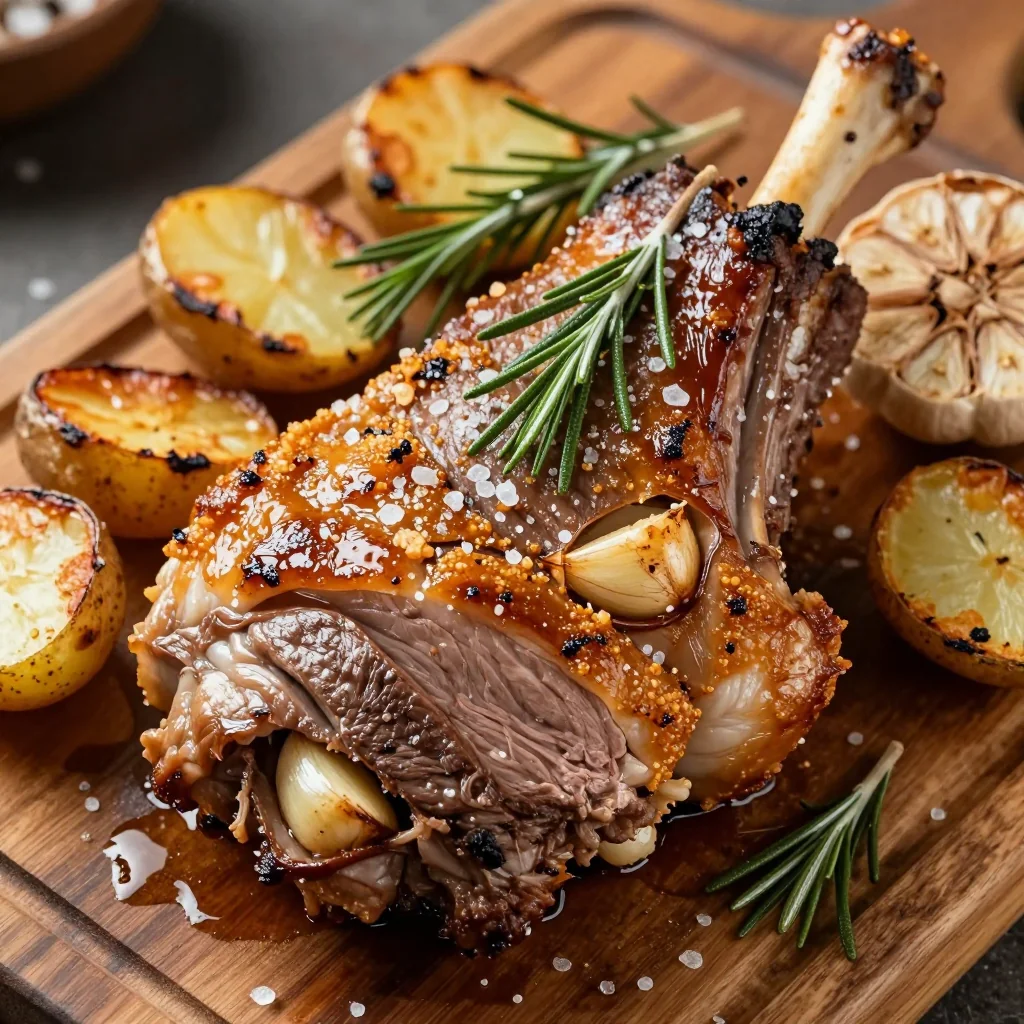
There’s something magical about the aroma of lamb shoulder slowly roasting in the oven, enveloping the house in the earthy perfume of rosemary and garlic. For me, this dish has become the heart of our holiday table—whether it’s Easter, Christmas, or a milestone birthday, this lamb shoulder is the centerpiece that makes everyone linger at the table just a little longer. The first time I served it, my father-in-law (a self-proclaimed lamb skeptic) went back for thirds, and my kids started calling it “the meat that tastes like Sunday.”
What makes this recipe so special isn’t just the melt-in-your-mouth tenderness (though there’s plenty of that). It’s the way the rosemary perfumes every fiber of the meat, how the garlic forms tiny pockets of savory surprise, and how the slow roast transforms a humble shoulder into something worthy of a royal feast. Over the years, I’ve refined this method through countless holiday dinners, and I’m thrilled to share every secret with you. Whether you’re a seasoned cook or tackling lamb for the first time, this guide will walk you through creating a show-stopping main course that’ll have your guests talking long after the last bite.
Why This Recipe Works
- Low and Slow Magic: Roasting at 325°F for 4-5 hours breaks down collagen, creating fork-tender meat that falls off the bone
- Aromatic Infusion: Fresh rosemary and whole garlic cloves are inserted directly into the meat for maximum flavor penetration
- Crispy Skin Trick: A final blast of high heat creates the most incredible crispy, golden exterior
- Make-Ahead Friendly: Prep the marinade 24 hours ahead—actually improves the flavor!
- One-Pan Wonder: Everything roasts together on a single sheet pan for easy cleanup
- Impressive Presentation: The whole shoulder makes a stunning centerpiece for any holiday table
Ingredients You'll Need
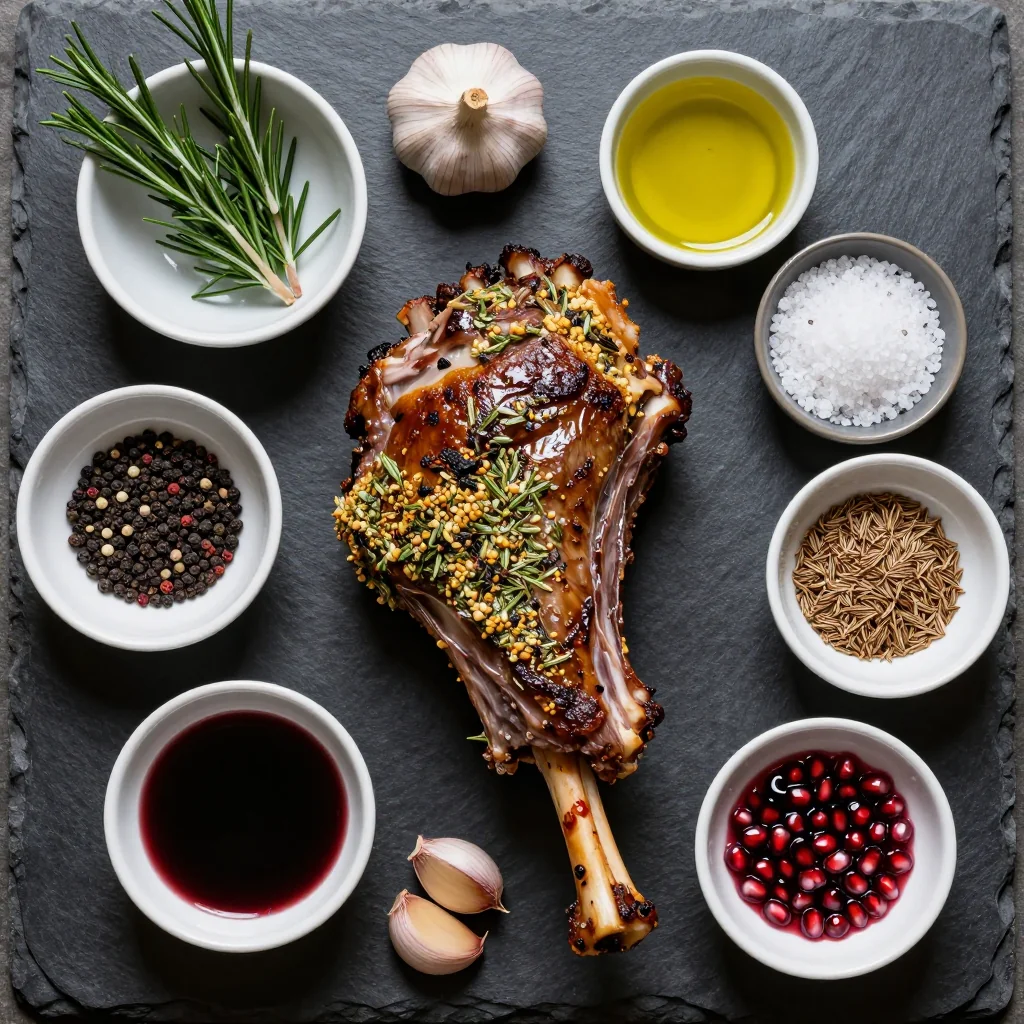
The beauty of this recipe lies in its simplicity—just a handful of quality ingredients that let the lamb shine. When selecting your lamb shoulder, look for meat that’s deep red with creamy white fat. I prefer bone-in for maximum flavor, but boneless works if you’re feeding a crowd (just reduce cooking time by 30 minutes). Your butcher can also score the fat cap for you, which helps the seasoning penetrate and creates those irresistible crispy edges.
Lamb Shoulder (5-6 lbs): The star of the show. This cut comes from the front leg and shoulder area, naturally tougher but incredibly flavorful. The marbling throughout means it becomes incredibly tender when slow-roasted. Don’t trim the fat—it bastes the meat as it cooks and keeps everything moist.
Fresh Rosemary (3-4 sprigs): Nothing compares to fresh rosemary for this dish. The woody stems become little flavor skewers when inserted into the meat. If you must substitute, use 2 tablespoons fresh thyme or 1 tablespoon dried rosemary (but fresh is worth seeking out).
Garlic (2 whole heads): We’re using a lot of garlic here—30-40 cloves. They mellow and sweeten during the long roast, creating soft, spreadable nuggets of flavor. Don’t use pre-peeled; the papery skins protect the cloves and add flavor to the pan juices.
Extra Virgin Olive Oil (1/3 cup): A good quality oil helps create the herb paste and keeps the exterior moist. Look for something fruity and peppery that complements the lamb’s richness.
Lemon Zest and Juice (2 lemons): The acid brightens the rich lamb and helps tenderize the meat. The zest adds aromatic oils that perfume the entire dish.
Sea Salt and Black Pepper: Be generous—this is a large cut of meat. I use about 2 tablespoons of coarse sea salt and 1 tablespoon of freshly cracked pepper. The salt helps create that incredible crust.
How to Make Savory Roasted Lamb Shoulder with Rosemary and Garlic for Special Holiday Feasts
Prepare the Marinade
In a small food processor, combine 1/3 cup olive oil, 6 minced garlic cloves, 2 tablespoons fresh rosemary leaves, zest of 2 lemons, 2 teaspoons salt, and 1 teaspoon pepper. Pulse until it forms a coarse paste. If you don’t have a processor, finely chop everything together on a cutting board until it forms a paste. This aromatic mixture will be your flavor base, so take time to get it right.
Score and Season the Lamb
Pat the lamb shoulder completely dry with paper towels—this is crucial for achieving that golden crust. Using a sharp knife, score the fat cap in a crosshatch pattern, cutting about 1/4 inch deep. This allows the seasoning to penetrate and creates more surface area for crispy bits. Rub the marinade all over the lamb, massaging it into every crevice. Don’t forget the underside!
Insert Garlic and Rosemary
Here’s where the magic happens: Using a paring knife, make 30-40 small incisions all over the lamb, about 1 inch deep. Peel the remaining garlic cloves and insert one into each incision along with a small sprig of rosemary. This technique, called “larding,” ensures every bite is infused with flavor. Don’t worry about being perfect—rustic is beautiful here.
Marinate Overnight
Place the seasoned lamb in a large roasting pan, fat side up. Squeeze the juice of 2 lemons over the top, cover loosely with plastic wrap, and refrigerate for at least 8 hours or up to 24 hours. This long marination allows the acid to tenderize the meat and the flavors to meld. Remove from the refrigerator 2 hours before cooking to bring to room temperature—this ensures even cooking.
Set Up for Slow Roasting
Preheat your oven to 325°F (165°C). Add 1 cup of water to the bottom of the roasting pan—this creates steam and prevents the pan juices from burning. You can also add 1 cup of dry white wine for extra flavor. Tent the lamb loosely with foil, making sure it doesn’t touch the meat. The foil traps moisture while allowing air to circulate.
The Long, Slow Roast
Roast the lamb for 4 to 5 hours, depending on size. After 3 hours, remove the foil and baste with the pan juices every 30 minutes. The lamb is ready when it’s pull-apart tender and a fork slides in with no resistance. If it’s browning too quickly, lower the heat to 300°F. The house will smell absolutely incredible at this point—resist the urge to open the oven too often.
Crisp the Exterior
For the final 20 minutes, increase the oven temperature to 425°F (220°C). This blast of high heat creates the most incredible crispy, golden crust. Watch it carefully—this is when the magic happens, and you want it perfectly bronzed, not burnt. The fat will sizzle and pop, creating a crunchy exterior that contrasts beautifully with the tender interior.
Rest and Serve
Remove the lamb from the oven and let it rest for at least 20 minutes—this allows the juices to redistribute, ensuring every slice is moist. Tent loosely with foil to keep warm. The meat will be so tender you can pull it apart with two forks, or slice it more traditionally. Don’t discard those pan juices—they’re liquid gold for spooning over the meat or making gravy.
Expert Tips
Perfect Temperature
Lamb shoulder is forgiving, but for ultimate tenderness, cook until it reaches 195-200°F internal temperature. The meat should literally fall off the bone when gently prodded. If you don’t have a thermometer, test by inserting a fork and twisting—it should slide out with no resistance.
Baste Like a Pro
Those pan juices are concentrated flavor bombs. Use a turkey baster to suck up the liquid and pour it over the lamb every 30 minutes after removing the foil. This creates layers of flavor and ensures the meat stays incredibly moist throughout the long cooking process.
Timing is Everything
Plan for 5-6 hours total: 2 hours to bring to room temperature, 4-5 hours roasting, and 20 minutes resting. This isn’t a last-minute dish, but the hands-on time is minimal. Perfect for holidays when you want to spend time with family, not slaving over the stove.
Save the Bones
Don’t discard those bones after serving! They make the most incredible lamb stock. Simmer them with onions, carrots, celery, and herbs for 4 hours. Freeze the stock in ice cube trays for easy portions to add depth to soups, stews, and sauces.
Overnight Magic
The 24-hour marinade isn’t optional—it transforms the dish. The salt penetrates deep into the meat, seasoning it throughout, while the acid tenderizes. If you’re short on time, even 4 hours makes a difference, but overnight is when the real magic happens.
Size Matters
If your lamb shoulder is larger than 6 lbs, increase cooking time by 30 minutes per additional pound. Conversely, reduce time for smaller cuts. The shape matters too—a wider, flatter shoulder cooks faster than a compact, round one.
Variations to Try
Mediterranean Twist
Replace half the rosemary with fresh oregano and add 1 teaspoon of ground cumin to the marinade. Serve with a side of tzatziki and warm pita bread for a Greek-inspired feast that transports you to the islands.
Spicy Moroccan
Add 2 teaspoons each of ground coriander, cumin, and smoked paprika to the marinade. Include a cinnamon stick in the roasting pan and serve with couscous and harissa for a North African flavor adventure.
Autumn Harvest
Add 2 quartered onions, 4 sliced apples, and 2 sprigs of fresh thyme to the roasting pan. The fruit caramelizes and creates a sweet-savory sauce that pairs beautifully with the rich lamb.
Red Wine Reduction
Replace the water in the pan with 1 cup of full-bodied red wine and 1 cup of beef broth. After roasting, strain the juices and reduce by half for an elegant sauce that elevates the dish to restaurant quality.
Citrus Bright
Add the zest and juice of 1 orange along with the lemons. The orange adds a lovely sweetness that balances the gamey flavor of lamb, making it more palatable for those new to this protein.
Storage Tips
Leftover lamb shoulder is a gift that keeps on giving. Once cooled, wrap the meat tightly in foil or place in an airtight container. It will keep in the refrigerator for up to 4 days, though it’s best within the first 2 days when the flavors are at their peak. For longer storage, slice the meat and freeze in portions with some of the pan juices to prevent drying. Frozen lamb will keep for up to 3 months—perfect for quick weeknight meals when you want a taste of the holidays.
To reheat, place slices in a baking dish with a splash of broth or water, cover with foil, and warm at 300°F for 15-20 minutes. Avoid the microwave, which can make the meat tough and dry. The lamb also shines at room temperature in sandwiches, salads, or as part of a charcuterie board. Those pan juices? Strain and refrigerate—they’ll solidify into the most incredible lamb-flavored butter perfect for sautéing vegetables or spreading on crusty bread.
Frequently Asked Questions
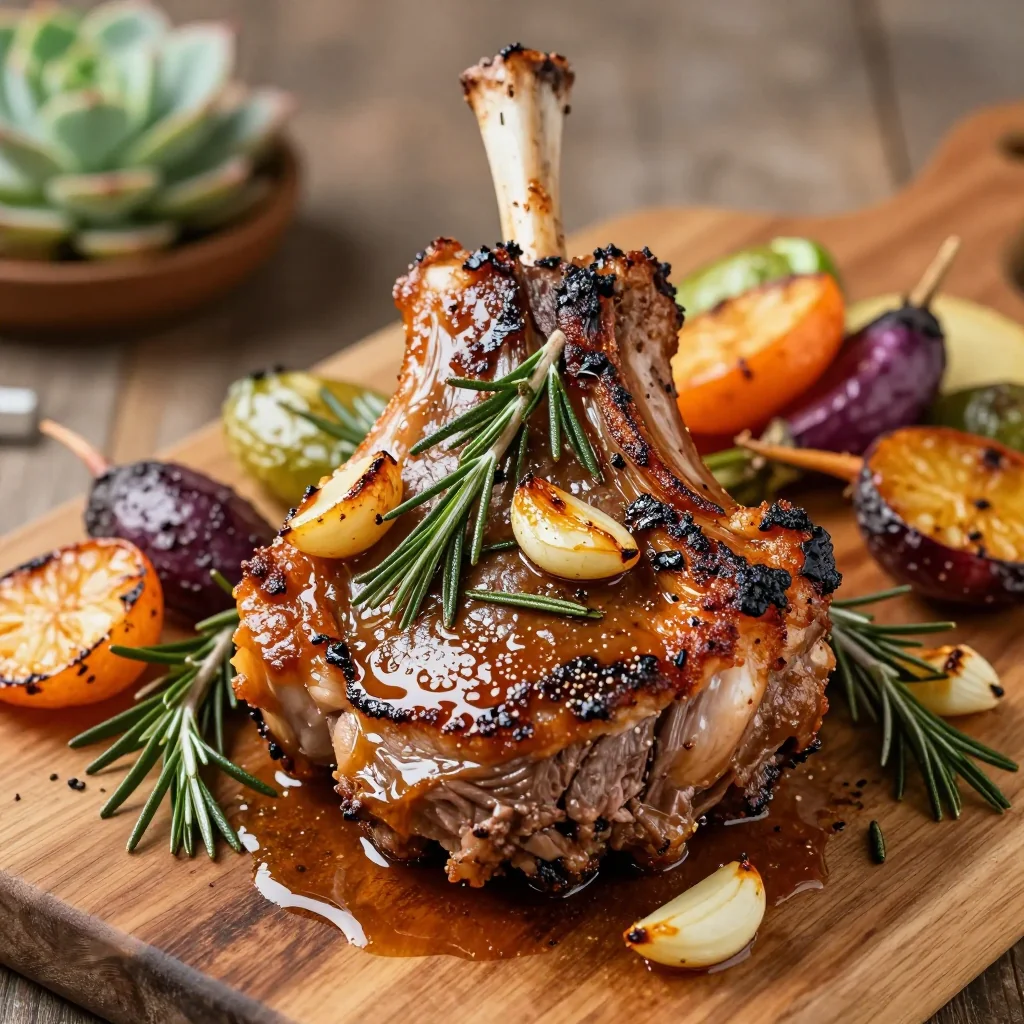
Savory Roasted Lamb Shoulder with Rosemary and Garlic for Special Holiday Feasts
Ingredients
Instructions
- Make marinade: Blend olive oil, 6 minced garlic cloves, 2 tablespoons rosemary leaves, lemon zest, salt, and pepper into a paste.
- Prepare lamb: Score fat cap, rub with marinade, and refrigerate 8-24 hours. Bring to room temperature 2 hours before cooking.
- Insert aromatics: Make small incisions and insert remaining garlic cloves and rosemary sprigs into the meat.
- Roast: Add water to pan, tent with foil, and roast at 325°F for 4-5 hours, basting after removing foil at 3 hours.
- Crisp: Increase heat to 425°F for final 20 minutes to create golden, crispy exterior.
- Rest and serve: Let rest 20 minutes before pulling apart or slicing. Spoon pan juices over the top.
Recipe Notes
For food safety, lamb should reach 195-200°F internal temperature. This is meant to be fall-apart tender, not medium-rare. Leftovers freeze beautifully for up to 3 months.