Picture this: a quiet Saturday morning, the kitchen lights flicking on, and a craving that feels more like a dare than a desire. I was staring at a couple of fresh mackerel fillets on the counter, and my friend, ever the challenger, said, “I dare you to make a sandwich that makes Istanbul proud.” I laughed, because I thought that was impossible—until I discovered the secret that turns a simple fish fillet into a culinary headline. This isn’t just any sandwich; it’s a passport to the bustling streets of Kadikoy, a dish that sings with paprika, cumin, and the bright tang of lemon.
From the moment the fillets hit the pan, a symphony of sizzling sounds filled the air. The aroma—smoky, herbaceous, and slightly citrusy—tugged at my senses like a siren’s call. I could almost hear the clatter of street vendors and the murmur of locals sharing stories over plates of grilled fish. The texture was a revelation: the skin crisped to a golden brown while the flesh stayed moist and tender, like a well‑cooked steak that still feels like fish. I was already dreaming of the first bite, knowing it would be a burst of flavor that would make any second attempt feel like a disappointment.
Why does this version stand out? Because it strips away the gimmicks that often plague sandwich recipes and focuses on authenticity, balance, and that unmistakable Turkish flair. The spices are not just for flavor; they act as a preservative, keeping the fish from drying out while adding depth that lingers on the tongue. The bread, a simple yet sturdy Turkish roll, holds the ingredients without becoming soggy, thanks to a quick toasting step that seals its surface. And the finishing touch—a squeeze of fresh lemon—cuts through the richness, leaving a clean, invigorating finish that keeps the palate refreshed.
There's a technique in this recipe you probably haven't seen: marinating the fish in a thin layer of olive oil and spices for just 10 minutes before cooking. This brief soak infuses the flesh with aromatic oils and creates a subtle crust that locks in moisture. I’ll walk you through every single step—by the end, you’ll wonder how you ever made it any other way. And trust me, you’ll be shouting, “I dare you to taste this and not go back for seconds!”
What Makes This Version Stand Out
- Authentic Spice Blend: The combination of paprika, cumin, and black pepper creates a smoky, earthy base that elevates the fish. This blend is the heart of the sandwich, providing depth without overpowering the delicate flavor of mackerel. The spices also act as a natural preservative, keeping the fish juicy and flavorful.
- Texture Harmony: The contrast between the crisped fish skin, the crunchy lettuce, and the soft bread creates a layered mouthfeel that keeps you coming back for more. Each bite delivers a satisfying crunch followed by a melt‑in‑your‑mouth finish.
- Freshness Amplifier: A squeeze of lemon not only brightens the dish but also helps to preserve the fish’s natural juices, giving the sandwich a clean, zesty finish that lingers on the palate.
- Minimalist Prep: With only a handful of ingredients and a quick 10‑minute marination, this recipe is perfect for busy days without sacrificing flavor.
- Authentic Bread Choice: Using a Turkish roll instead of a standard sandwich bun adds a chewy, slightly nutty texture that complements the fish’s richness.
- Versatility: Whether you’re feeding a crowd or preparing a quick lunch, the recipe scales effortlessly and can be adapted to different protein options.
- Visual Appeal: The vibrant colors of the tomato, lettuce, and parsley against the golden fish create a dish that looks as good as it tastes.
Inside the Ingredient List
The Flavor Base
The foundation of this sandwich starts with the spice blend. Paprika, cumin, and black pepper are not just seasonings—they’re the architects of the dish’s smoky, earthy profile. If you skip any of these, the fish will lose its signature depth, becoming a plain, unremarkable piece of protein. For a milder version, reduce the paprika to half a teaspoon, but keep the cumin to preserve the warm undertone.
The Texture Crew
Fresh mackerel fillets provide a buttery texture that melts in your mouth. The olive oil forms a protective barrier, preventing the fillet from drying out while allowing the spices to adhere. If you’re in a hurry, you can use canned mackerel, but the texture will be softer and the flavor less vibrant.
The Unexpected Star
Turkish bread, or simit, is the unsung hero that holds everything together. Its slightly chewy crumb and crisp crust absorb the fish’s juices without becoming soggy. If you can’t find Turkish bread, a crusty baguette or ciabatta will work, but the flavor profile will shift slightly toward a more European taste.
The Final Flourish
Lemon slices, fresh parsley, and crisp lettuce add brightness and a burst of color. The lemon’s acidity cuts through the richness, while the parsley offers a herby finish that ties the sandwich together. A small pinch of sea salt on the lettuce before assembly brings out its natural sweetness.
Everything's prepped? Good. Let’s get into the real action and start turning these ingredients into a sandwich that will have your friends begging for the recipe.
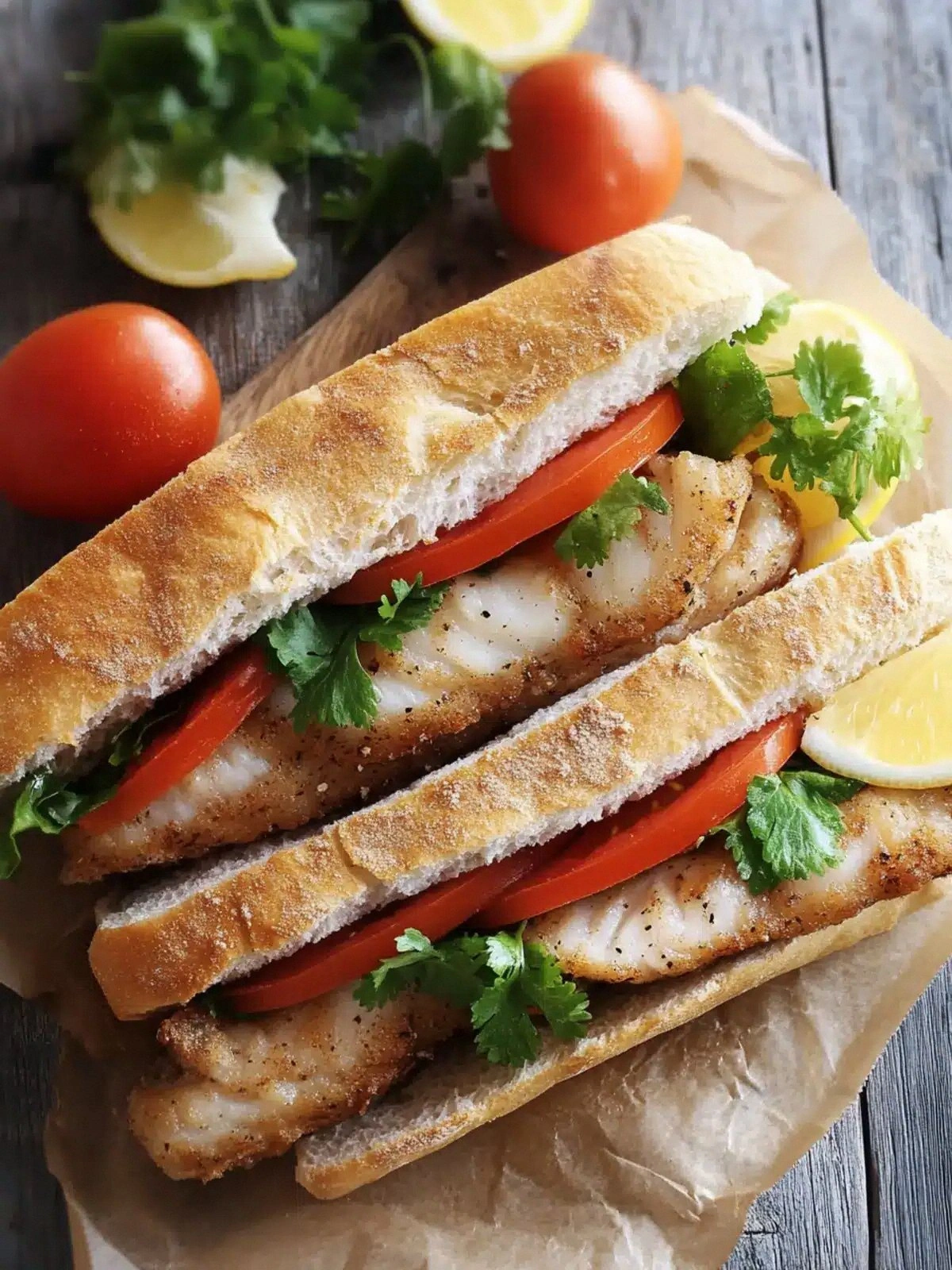
The Method — Step by Step
- Begin by patting the mackerel fillets dry with a paper towel. This step is crucial for a golden sear; any moisture will cause steaming instead of crisping. Drizzle 1 tablespoon of olive oil over each fillet, ensuring an even coat. Sprinkle the paprika, cumin, black pepper, and a pinch of salt over the fillets, then rub the mixture gently into the flesh. Let the fillets sit for 10 minutes to absorb the flavors—this quick marination sets the stage for a deeply flavored bite.
- Heat a non‑stick skillet over medium‑high heat and add the remaining tablespoon of olive oil. Once the oil shimmers, lay the fillets skin‑side down. The sizzle that follows is the first hint of the sandwich’s savory promise. Cook for 4–5 minutes, or until the skin turns a deep amber and releases easily from the pan. Flip carefully and cook for another 3–4 minutes; the fish should be opaque and flake easily with a fork.
- While the fish cooks, toast the Turkish rolls in a separate pan or oven at 180°C for 3–4 minutes. The heat should just brown the crust enough to create a barrier against the fish’s juices. Slice the rolls horizontally, creating a pocket large enough to hold the fillets and fresh toppings.
- While the fish finishes, thinly slice the red onion into rings. The sharpness of the raw onion provides a crisp bite that contrasts the softness of the fish. If you’re a fan of a milder bite, soak the onion rings in cold water for 10 minutes before slicing.
- Now comes the trickiest part: assembling without sogginess. Place a generous handful of chopped parsley onto the bottom half of each roll. Layer the cooked fillet on top of the parsley, then add a handful of lettuce, a few tomato wedges, and the onion rings. The parsley acts as a moisture barrier, preventing the bread from getting soggy. Finish with a squeeze of fresh lemon over the top—this bright acidity lifts the entire sandwich.
- Close the sandwich by placing the top half of the roll over the fillings. Press gently to ensure everything stays in place. If you prefer a more handheld experience, cut the sandwich diagonally for easier handling.
- Serve immediately while the fish is still warm and the bread is crisp. The contrast between hot fish and cool lettuce creates a delightful temperature play that’s both comforting and refreshing.
That's it—you did it. But hold on, I've got a few more tricks that'll take this to another level. Trust me, these subtle tweaks are what separate a good sandwich from a legendary one.
Insider Tricks for Flawless Results
The Temperature Rule Nobody Follows
Many people cook fish on too low a heat, resulting in a dry, rubbery texture. I’ve discovered that a medium‑high flame (around 190°C) is the sweet spot for mackerel. The quick sear locks in moisture, while the interior remains tender. If you’re using a gas stove, keep the flame at the “medium‑high” setting and avoid letting the pan get too hot or it will burn the spices.
Why Your Nose Knows Best
When the fish starts to release a faint, oily scent, that’s your cue to flip. The smell indicates that the surface has caramelized and is ready to move. A friend once tried flipping too early, and the fish fell apart—classic “flaky fish” failure. Trust your nose; it’s a reliable guide to timing.
The 5‑Minute Rest That Changes Everything
Letting the fillets rest for five minutes after cooking allows the juices to redistribute. If you cut into the fish immediately, the juices rush out, leaving a dry center. The rest period also gives the spices time to settle, creating a more cohesive flavor profile. A simple timer on your phone does the trick.
The Secret to Crispy Bread
A quick toast in a dry skillet or a few minutes in a 180°C oven creates a protective crust. The bread’s exterior seals the interior, preventing the fish’s juices from soaking in. If you’re short on time, a 1‑minute microwave burst can warm the roll, but it won’t give you the same crunch.
How to Keep the Lemon Fresh
Slice the lemon just before you’re ready to serve. If you slice it too early, the lemon will lose its bright acidity and become watery. A small pinch of sea salt on the lemon slices enhances the citrus flavor, making each bite pop.
The Final Touch of Parsley
Adding fresh parsley not only brightens the dish but also adds a subtle earthiness that balances the richness of the fish. Use a sharp knife to finely chop the parsley, ensuring it blends seamlessly with the other toppings. A sprinkle of parsley on top before serving adds a pop of color and aroma.
Creative Twists and Variations
This recipe is a playground. Here are some of my favorite ways to switch things up:
Smoky Chipotle Version
Swap out the paprika and cumin for chipotle powder and add a splash of adobo sauce. The smoky heat elevates the fish’s natural flavor, giving the sandwich a bold, Mexican‑inspired twist that’s perfect for summer barbecues.
Mediterranean Veggie Delight
Replace the mackerel with grilled halloumi or marinated tofu for a vegetarian option. Keep the spices and lemon the same; the result is a hearty, plant‑based sandwich that still delivers that unmistakable Turkish vibe.
Crispy Fritata Bites
Use a folded‑over omelet with the same spice blend as a protein alternative. The egg’s richness pairs beautifully with the fresh toppings, creating a sandwich that feels both comforting and adventurous.
Spicy Tuna Fusion
Mix canned tuna with a teaspoon of sriracha and a dash of soy sauce. Layer it over the toasted roll with the same fresh toppings. This East‑West fusion gives you a quick, protein‑dense sandwich that’s surprisingly balanced.
Bacon‑Wrapped Fish Roll
Wrap the seasoned fillet in a strip of bacon before searing. The bacon crisps up around the fish, adding a smoky crunch that complements the delicate fish and bright lemon.
Herbed Pesto Variation
Spread a thin layer of basil pesto on the inside of the roll before adding the fish and toppings. The herbal richness of the pesto adds depth and a fragrant finish that elevates the sandwich to gourmet status.
Storing and Bringing It Back to Life
Fridge Storage
Store the assembled sandwich in an airtight container for up to 2 days. If you’re packing it for lunch, wrap the sandwich in parchment paper first, then place it in a sealed bag. The parchment helps keep the bread from becoming soggy.
Freezer Friendly
To freeze, wrap the sandwich tightly in aluminum foil, then place it in a freezer bag. It will keep for up to 2 weeks. When you’re ready to enjoy, thaw overnight in the fridge, then reheat in a toaster oven at 180°C for 5 minutes to revive the crispness.
Best Reheating Method
The key to reheating is gentle heat. A toaster oven or a skillet over medium heat works best; avoid the microwave, which can make the bread soggy. Add a splash of water to the pan before heating; the steam will help the sandwich regain its moisture without drying out.