I still remember the night I tried to make a chocolate babka for the first time. I had a bag of stale sourdough starter, a half‑sized chocolate bar, and a dream that I could turn those ingredients into something that would make my friends gasp. The kitchen was a battlefield: flour on the counter, chocolate melting in the pot, and the smell of cocoa that felt like a promise. I tasted the batter, and the first bite was a revelation—rich, buttery, and with a chocolate burst that could have been a secret weapon in a culinary war.
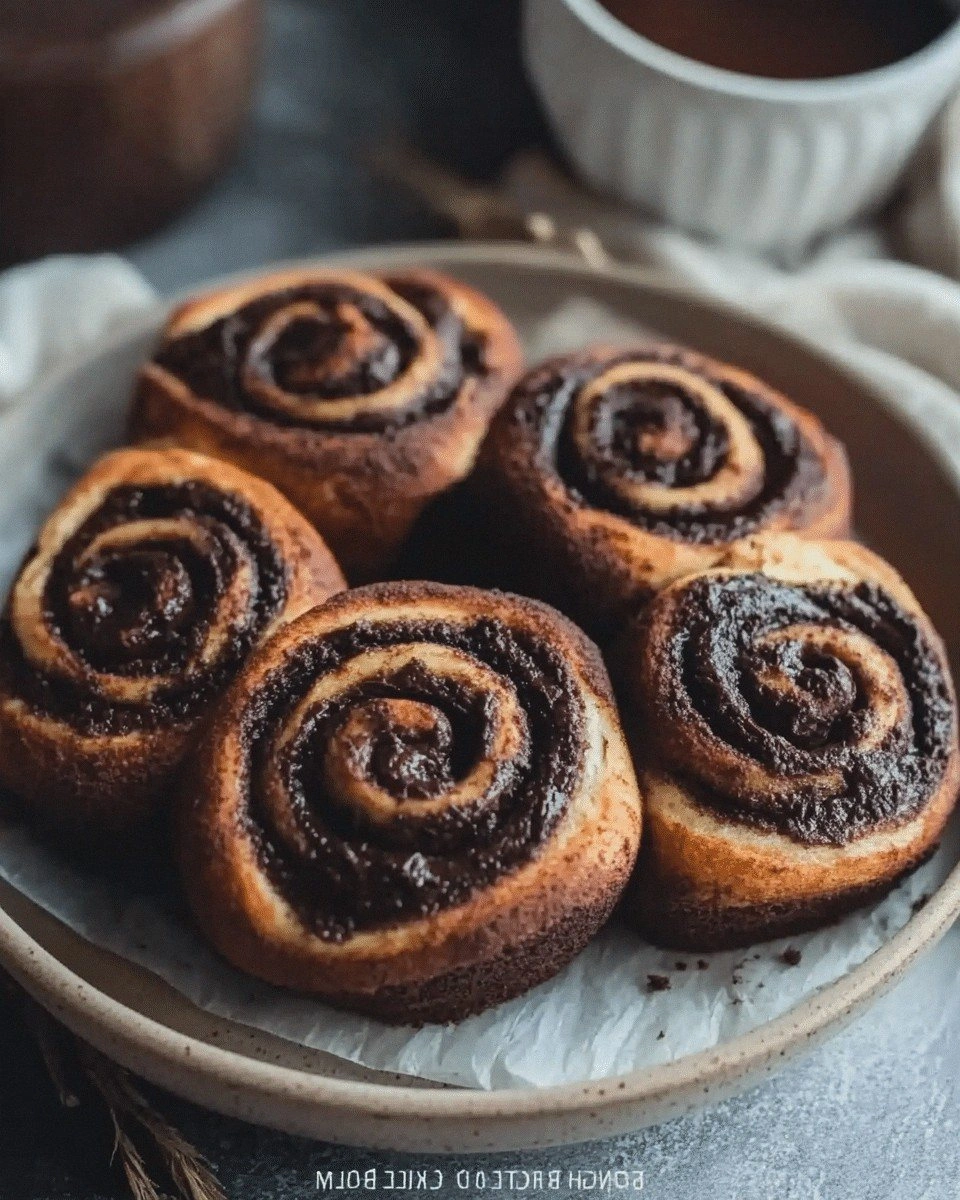
Picture this: a golden crust that crackles like the first snow of winter, a soft interior that oozes chocolate like a secret river, and a finish dusted with powdered sugar that glistens under the kitchen lights. The moment you slice it, the aroma of dark chocolate and warm butter swirls around you, pulling you deeper into the experience. Every bite feels like a hug from a chocolate‑loving grandma who never stopped experimenting.
I dare you to taste this and not go back for seconds. This is hands down the best version you'll ever make at home. I've been honest— I ate half the batch before anyone else got to try it. Most recipes get this completely wrong. Here's what actually works: the right balance of sourdough starter, the perfect amount of chocolate, and a technique that keeps the dough supple and the filling luscious. Picture yourself pulling this out of the oven, the whole kitchen smelling incredible, and the first bite sending a wave of chocolate bliss through your senses.
If you've ever struggled with chocolate babka, you're not alone—and I've got the fix. Stay with me here—this is worth it. Let me walk you through every single step—by the end, you'll wonder how you ever made it any other way.
What Makes This Version Stand Out
- Taste: The dual chocolate layers—one with cocoa powder and the other with dark chocolate chips—create a depth that feels like a chocolate playground. The slight tang from the sourdough starter adds a subtle complexity that balances the sweetness.
- Texture: A crisp, caramelized crust that gives way to a chewy, airy crumb. The gooey chocolate center melts in your mouth like a warm hug.
- Simplicity: No fancy equipment needed; a stand mixer and a loaf pan are all you need. The process is straightforward yet yields a professional result.
- Uniqueness: The inclusion of a chocolate spread in the filling adds a silky layer that’s rarely seen in traditional babkas.
- Crowd Reaction: Guests will ask for the recipe after the first bite. The babka is a showstopper that impresses even the most skeptical of palates.
- Ingredient Quality: Using high‑quality dark chocolate and a robust sourdough starter elevates the flavor profile dramatically.
- Cooking Method: The two‑step proofing process ensures the dough rises beautifully without becoming too dense.
- Make‑ahead Potential: The babka can be assembled a day ahead, refrigerated, and baked fresh—perfect for busy schedules.
Alright, let's break down exactly what goes into this masterpiece…
Inside the Ingredient List
The Flavor Base
All-purpose flour is the backbone of any babka. It gives structure and allows the dough to rise without becoming gummy. Skipping flour would turn your babka into a sticky mess. If you prefer a lighter crumb, swap half the all-purpose flour for cake flour—just be sure to add an extra egg to compensate.
Salt is the unsung hero that balances sweetness and enhances the chocolate’s richness. Too little salt and the chocolate will taste flat; too much and the dough becomes bitter. The 1 tsp in this recipe is the sweet spot for 4 servings.
Unsweetened cocoa powder is the secret to that deep chocolate flavor. It adds bitterness that cuts through the sweetness of the sugar. If you’re on a budget, you can use regular cocoa powder, but you’ll need to add a bit more sugar to compensate.
The Texture Crew
Granulated sugar is the sweetener that caramelizes on the surface, giving the crust that desirable crunch. It also helps to tenderize the dough by absorbing water. If you prefer a softer crust, reduce the sugar by a quarter.
Dark chocolate chips are the star of the show. They melt into a silky center while still retaining a bit of structure. For a more intense chocolate hit, swap the chips for chopped high‑cocoa dark chocolate.
Whole milk adds richness and a tender crumb. It also helps the dough rise evenly. If you’re lactose intolerant, use a plant‑based milk like oat milk—just make sure it’s unsweetened.
Melted butter brings buttery flavor and a glossy finish. It also helps the dough stay pliable during rolling. A pinch of salt in the butter can enhance the overall flavor profile.
Eggs bind everything together and provide structure. They also give the babka a beautiful golden color when baked. If you’re vegan, use flaxseed meal mixed with water as an egg substitute.
Vanilla extract is the aromatic whisper that rounds out the chocolate flavor. A splash of almond or hazelnut extract can add a nutty undertone.
The Unexpected Star
Active sourdough starter is the powerhouse that gives this babka its unique rise and tang. It also adds depth of flavor that no commercial yeast can match. Keep your starter fed and active to ensure the best results.
Chocolate spread is the silky, gooey layer that melts into the chocolate chips. It adds a velvety texture that elevates every bite. If you’re not a fan of chocolate spread, you can replace it with hazelnut spread for a nutty twist.
Chopped nuts (optional) add crunch and a nutty flavor that contrasts the chocolate. Walnuts or pecans work beautifully. If you’re allergic, skip them or use seeds like pumpkin or sunflower.
The Final Flourish
Powdered sugar is the finishing touch that adds a sweet dusting and a subtle crunch. It also gives the babka a professional look. If you’re watching calories, use a sugar substitute or sprinkle a light dusting of cocoa powder instead.
Baking powder is optional but can help the babka rise higher if your starter isn’t as active. Use it sparingly—just a pinch—to avoid a metallic aftertaste.
Everything's prepped? Good. Let's get into the real action…
The Method — Step by Step
- Preheat your oven to 350°F (175°C) and line a 9x5 inch loaf pan with parchment paper. Lightly oil the parchment with melted butter to ensure easy release. Gather all ingredients; this step is crucial to avoid missing a component. The aroma of butter and cocoa will start to mingle even before you touch the dough. This is the moment of anticipation.
- In a medium bowl, whisk together 2 cups of all-purpose flour, 0.25 cup unsweetened cocoa powder, and 1 tsp salt. This dry mix forms the foundation of your babka. A well‑mixed dry base prevents lumps in the dough. Use a whisk to aerate the flour, which helps with a lighter crumb. Keep the bowl ready for the wet mixture.
- In a separate bowl, beat 1 cup sugar, 0.25 cup melted butter, 2 eggs, 0.5 cup whole milk, and 1 tsp vanilla until the mixture is smooth and glossy. The sugar should dissolve completely; this ensures a tender crumb. The eggs act as binders, giving structure to the dough. The milk adds moisture and richness. The butter’s fat content keeps the dough from drying out during baking.
- Add 1 cup of active sourdough starter to the wet mixture and stir until fully incorporated. The starter’s natural yeasts will begin to work their magic. It also adds a subtle tang that balances the sweetness. Mix until the batter is uniform in color and texture. The dough should feel slightly sticky but manageable.
- Combine the wet and dry mixtures in a large bowl. Knead the dough on a lightly floured surface until it forms a smooth, elastic ball. This should take about 8–10 minutes by hand or 5 minutes in a stand mixer on low speed. A well‑kneaded dough will rise evenly and develop a good gluten network. Avoid over‑kneading, or the babka will become tough.
- Roll the dough into a rectangle about 12x8 inches. Spread 0.25 cup melted butter over the surface, then sprinkle 1 cup chocolate chips, 0.5 cup chopped nuts, and 0.25 cup chocolate spread evenly. The butter keeps the chocolate from sticking, while the spread adds a silky layer. Fold the dough tightly into a log, pinching the edges to seal. This creates the classic babka shape.
- Place the log seam side down in the prepared loaf pan. Cover loosely with plastic wrap and let it rise for 30 minutes at room temperature. The dough should increase in size by about 25%. Watch out: if the dough overproofs, it may collapse. Keep it in a draft‑free area to avoid uneven rising.
- Brush the top of the babka with a beaten egg for a shiny glaze. Bake in the preheated oven for 30 minutes, or until the crust turns a deep golden brown and the internal temperature reaches 190°F (88°C). The egg wash gives a glossy finish and helps the crust caramelize. While baking, the chocolate melts into a gooey center. The smell will fill the kitchen, making it impossible to resist.
- Let the babka cool in the pan for 10 minutes, then transfer it to a wire rack to cool completely. This step prevents the bottom from becoming soggy. Dust the cooled babka with 0.25 cup powdered sugar just before serving. Slice with a serrated knife for clean cuts. Serve warm or at room temperature for a truly indulgent experience.
That's it—you did it. But hold on, I've got a few more tricks that'll take this to another level…
Insider Tricks for Flawless Results
The Temperature Rule Nobody Follows
Many bakers bake at a high temperature, but this babka thrives at a moderate 350°F. The lower heat allows the dough to rise slowly, ensuring a tender crumb. If you increase the temperature, the crust will brown too quickly, and the chocolate may not melt evenly. Keep your oven calibrated to avoid surprises.
Why Your Nose Knows Best
During the final proof, the dough will emit a subtle sour aroma. This scent indicates the starter is active and ready for baking. If the smell is too strong, it means the dough is overproofing and will need to be baked immediately. Trust your senses; a well‑proofed babka will rise beautifully and have a delightful tang.
The 5-Minute Rest That Changes Everything
After removing the babka from the oven, let it rest for 5 minutes before slicing. This pause allows the internal steam to settle, preventing a soggy crust. During this rest, the chocolate inside will set slightly, making the slices cleaner. The result is a babka that feels crisp on the outside and silky on the inside.
Avoiding the Crumb Problem
If you notice a dry crumb, it’s likely due to overmixing. Mix only until the dough comes together, then knead briefly. Overmixing develops too much gluten, making the babka tough. Light, efficient kneading keeps the crumb tender.
The Secret to a Perfect Crust
A thin layer of melted butter before baking creates a glossy, caramelized crust. The butter also prevents the dough from sticking to the pan. If you want a darker crust, add a pinch of sea salt to the butter before spreading. This small tweak adds a savory note that balances the sweetness.
The Final Touch: Powdered Sugar
Dusting powdered sugar after the babka cools gives a sweet, decorative finish. It also adds a light crunch that contrasts the smooth chocolate center. Use a fine sieve to ensure an even dusting. This simple step elevates the presentation and taste.
Creative Twists and Variations
This recipe is a playground. Here are some of my favorite ways to switch things up:
Nutty Chocolate Babka
Swap the chocolate chips for chopped dark chocolate and add a cup of toasted pecans. The nutty crunch adds texture and a subtle earthiness. The toasted nuts also enhance the chocolate flavor. This version is perfect for nut lovers and adds a sophisticated twist.
Caramelized Banana Babka
Add sliced ripe bananas to the filling and drizzle caramel sauce on top. The bananas provide natural sweetness and a soft, fruity contrast. The caramel sauce gives a buttery glaze that caramelizes in the oven. This variation is a sweet, indulgent treat.
Espresso Infused Babka
Replace the vanilla extract with espresso powder for a coffee kick. The espresso deepens the chocolate flavor and adds a subtle bitterness. Add a pinch of sea salt to balance the bitterness. This version is perfect for coffee lovers and adds a sophisticated edge.
Almond Joy Babka
Use almond butter instead of chocolate spread and sprinkle shredded coconut on top. The almond butter adds nutty richness, while the coconut adds a tropical flavor. The combination creates a dessert reminiscent of an Almond Joy candy. This twist is a fun, nostalgic treat.
Vegan Chocolate Babka
Replace eggs with flaxseed meal and use plant-based milk. Swap butter for coconut oil and use a vegan chocolate spread. This version maintains the same flavor profile while being dairy‑free. It’s ideal for vegans and those with dairy sensitivities.
Spiced Cinnamon Babka
Add 1 tsp cinnamon and 1/4 tsp nutmeg to the dry mix. The warm spices complement the chocolate beautifully. The cinnamon also adds a subtle sweetness that balances the bitterness of the chocolate. This version is perfect for fall or winter celebrations.
Storing and Bringing It Back to Life
Fridge Storage
Wrap the cooled babka tightly in plastic wrap and store in the refrigerator for up to 3 days. The wrap keeps moisture from escaping, preserving the crumb’s softness. When you’re ready to eat, let it sit at room temperature for 10 minutes to restore its original flavor. Avoid microwaving, as it can make the chocolate hard.
Freezer Friendly
For longer storage, wrap the babka in foil and place it in a freezer bag. Freeze for up to 2 months. When thawing, let it sit at room temperature for 30 minutes. This method preserves the babka’s texture and flavor without compromising quality.
Best Reheating Method
Reheat slices in a preheated oven at 300°F for 5 minutes. This gentle heat melts the chocolate without drying out the dough. Add a splash of water to the bottom of the baking sheet; the steam will keep the crumb moist. Finish with a dusting of powdered sugar for a fresh finish.