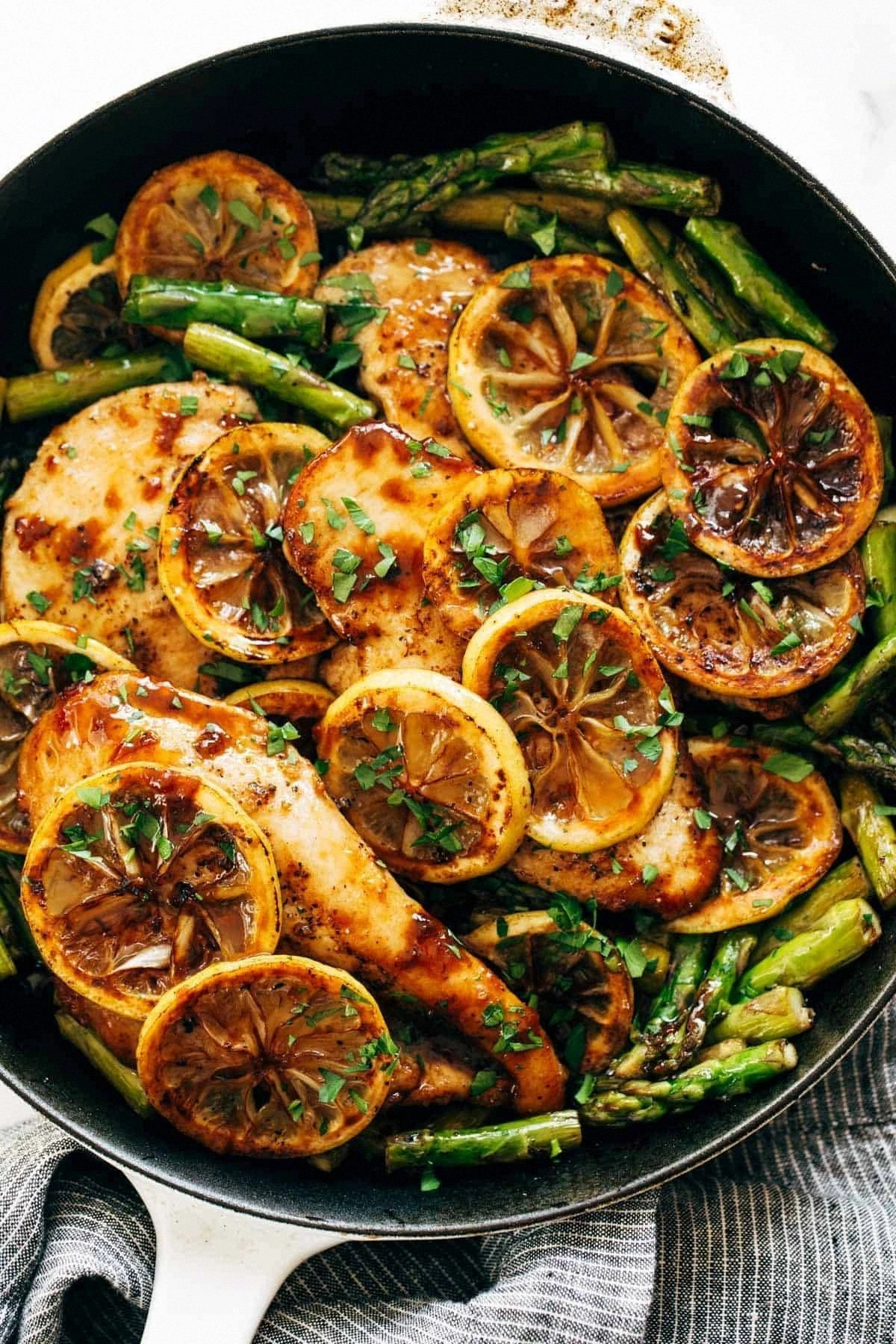
I was standing in my kitchen, the timer on my old microwave buzzing like a nervous squirrel, when a friend dared me to create a chicken dish that could out‑shine a Sunday brunch spread. I thought, “Sure, why not? Let’s throw together whatever’s in the fridge and see what happens.” The result? A lemon‑kissed chicken that practically glows, paired with crisp asparagus spears that snap like fresh green fireworks. The moment I sliced into the first piece, the citrus aroma hit me like a summer breeze on a hot pavement, and I knew I had stumbled onto something spectacular.
Picture this: the golden‑brown chicken skin, speckled with tiny bubbles, releasing a sizzle that sounds like applause from a tiny audience of kitchen gadgets. The smell of melted butter, bright lemon zest, and a whisper of garlic swirls around you, making the whole house feel like a high‑end bistro. You can feel the heat radiating from the pan, the gentle tug of the chicken as it lifts, and the faint resistance of the asparagus as it turns from raw crunch to tender snap. It’s a full‑sensory symphony that makes you forget you ever considered ordering takeout.
Most lemon chicken recipes I’ve tried either drown the bird in sauce, leaving it soggy, or slap on a lemon glaze that tastes like bottled concentrate. This version, however, respects the chicken’s natural juices, using just five simple ingredients that work together like a perfectly choreographed dance. The lemon isn’t just a flavor; it’s a catalyst that brightens the chicken’s richness while the olive oil creates a caramelized crust that locks in moisture. The asparagus isn’t an afterthought—it’s the bright green counterpoint that keeps the plate lively.
Now, I’m about to reveal a tiny trick that most cooks overlook: a quick deglaze with the lemon juice at the end of cooking, which creates a glossy, zingy sauce that clings to every bite like a second skin. I dare you to taste this and not go back for seconds; the flavor is so addictive you’ll wonder how you ever survived without it. Let me walk you through every single step — by the end, you’ll wonder how you ever made it any other way.
What Makes This Version Stand Out
- Flavor: The bright acidity of fresh lemon cuts through the chicken’s richness, while garlic adds a warm, aromatic depth that feels like a hug from the inside.
- Texture: A crisp, golden exterior gives way to a juicy, tender interior, and the asparagus retains a satisfying snap that prevents the dish from feeling one‑note.
- Simplicity: Only five ingredients mean you spend less time rummaging through cupboards and more time actually eating.
- Uniqueness: The final deglaze step creates a glossy sauce that most recipes miss, giving the plate a restaurant‑ready shine.
- Crowd Reaction: Even the pickiest eaters beg for seconds, and the lemon‑bright profile makes it a hit at dinner parties and family gatherings alike.
- Ingredient Quality: Fresh, organic asparagus and a high‑quality lemon elevate the dish without adding cost.
- Cooking Method: Pan‑searing then oven‑finishing locks in flavor and ensures even cooking without the fuss of flipping constantly.
- Make‑Ahead Potential: You can prep the chicken and asparagus ahead of time; a quick reheat brings back the magic.
Inside the Ingredient List
The Flavor Base
Lemon is the star of this show, providing a bright, citrusy punch that lifts the entire dish. Use a freshly zested lemon and its juice; the zest contains essential oils that give a fragrant, almost floral note, while the juice adds the tang you crave. Skipping the zest is a tragedy—your sauce will lose that aromatic lift and feel flat. If you’re out of lemons, a splash of good‑quality white wine with a squeeze of lime can mimic the acidity, though you’ll miss the true lemony perfume.
The Texture Crew
Olive oil does more than prevent sticking; it helps the chicken develop that coveted golden crust. Choose extra‑virgin olive oil for its robust flavor, but if you prefer a higher smoke point, a light olive oil works just as well. The chicken breasts should be of even thickness; if they’re uneven, butter‑fly them or pound them gently to ensure uniform cooking. A thick piece left undercooked while the edges burn is a kitchen nightmare—avoid it by flattening the meat.
The Unexpected Star
Asparagus brings a fresh, green contrast that balances the richness of the chicken and oil. Look for spears that are firm, with tight tips and a uniform thickness; thin spears may wilt too quickly, while overly thick ones stay stubbornly raw. If asparagus is out of season, substitute with green beans or broccolini—just remember to adjust cooking time so they stay crisp.
The Final Flourish
Garlic, in its humble cloves, adds a warm, earthy backbone that rounds out the lemon’s brightness. Crush the cloves with the flat side of a knife before mincing; this releases more flavor than pre‑minced garlic from a jar. Overcooking garlic turns it bitter, so add it after the chicken sears and watch it turn golden in just 20 seconds. If you’re allergic or don’t love garlic, a pinch of smoked paprika can add depth, though you’ll lose the classic aromatic profile.
Everything's prepped? Good. Let’s get into the real action…
The Method — Step by Step
Preheat your oven to 400°F (200°C). While the oven warms, pat the chicken breasts dry with paper towels; this is crucial for achieving that coveted crust. Season both sides generously with salt and pepper, then drizzle each breast with a tablespoon of olive oil, letting it coat like a thin veil. This step is the foundation—if the chicken is wet, the oil won’t adhere, and you’ll end up steaming rather than searing.
Heat a large oven‑safe skillet over medium‑high heat. When the pan is hot enough that a drop of water sizzles and evaporates instantly, add the remaining olive oil. Place the chicken breasts skin‑side down (or the side that will become the crust) and let them sear undisturbed for 4‑5 minutes. You’ll hear a confident sizzle that tells you the Maillard reaction is doing its job.
Kitchen Hack: Press the chicken gently with a spatula after 2 minutes; this forces contact with the pan, ensuring an even crust across the entire surface.Flip the chicken and add the minced garlic to the pan, stirring quickly so it doesn’t burn. As soon as the garlic turns a light golden, add the asparagus spears, arranging them around the chicken. The pan should be crowded but not overcrowded—if the asparagus steams instead of sears, they’ll lose that vital snap.
Slice the lemons: zest one lemon, then halve the second and squeeze its juice over the pan. The zest should rain down like confetti, while the juice will hiss as it meets the hot pan, deglazing the browned bits. This is the magic moment—those caramelized bits, known as fond, dissolve into a glossy, citrus‑infused sauce that clings to every ingredient.
Watch Out: If you add the lemon juice too early, the acid can prevent the chicken from browning properly. Always deglaze after the chicken has formed a crust.Transfer the skillet to the preheated oven. Roast for 12‑15 minutes, or until the internal temperature of the chicken reaches 165°F (74°C). The oven’s dry heat finishes cooking the chicken gently while the asparagus becomes tender yet still bright green. If you love a little char, turn the broiler on for the last 2 minutes—watch closely, or you’ll end up with burnt edges.
Remove the skillet from the oven and let the chicken rest for 5 minutes. Resting allows the juices to redistribute, preventing a dry bite. While it rests, the sauce will thicken slightly; give it a quick stir, then taste and adjust with a pinch more salt if needed. This rest period is often ignored, but it’s the difference between “good” and “legendary.”
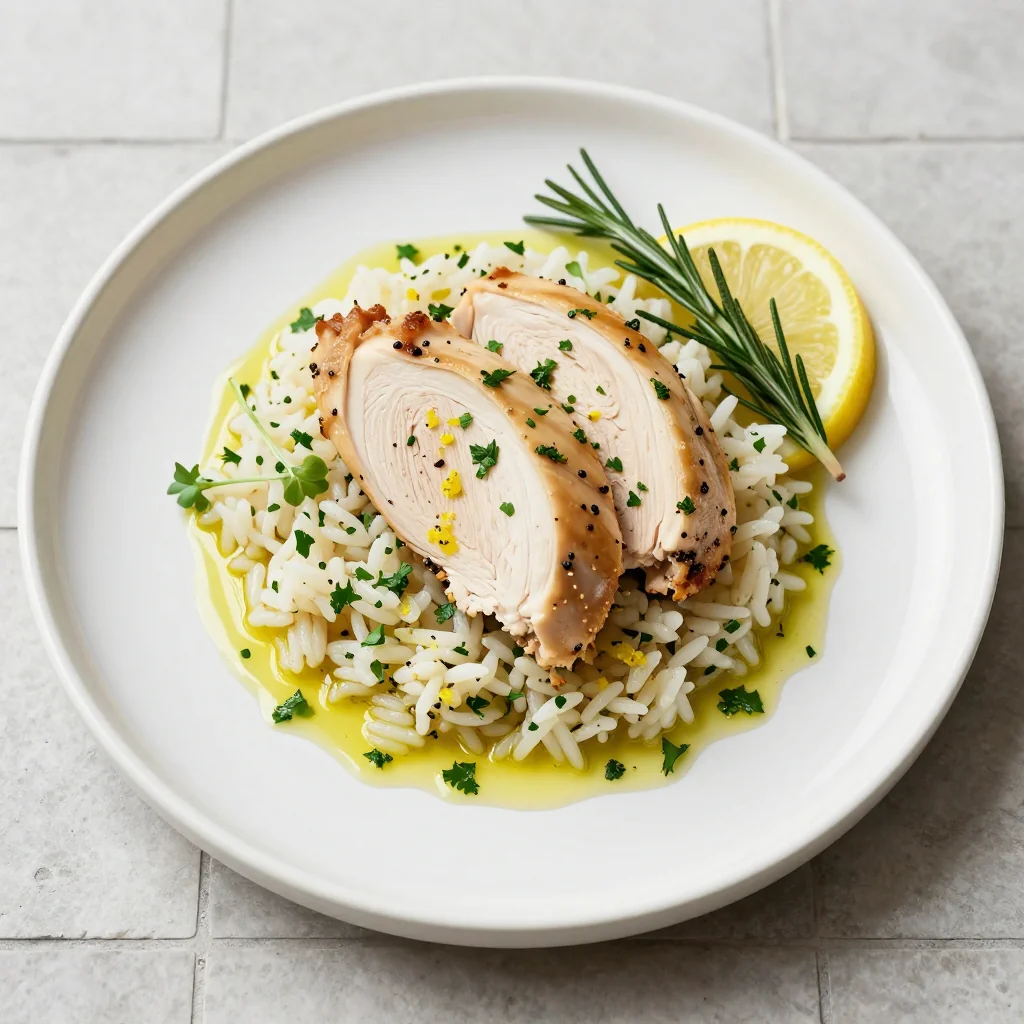
Slice the chicken against the grain into thick strips. Arrange the slices on a serving platter, fanning the asparagus spears alongside. Drizzle the pan sauce over everything, ensuring each piece gets a glossy coating. The final look should be vibrant: golden chicken, emerald asparagus, and a lemon‑gloss that shines like a sunrise.
Serve immediately with a side of crusty bread or a simple mixed green salad. The bread is perfect for mopping up any leftover sauce, while the salad adds a fresh, peppery contrast. Picture yourself pulling this out of the oven, the whole kitchen smelling incredible, and your guests already reaching for seconds. This is hands down the best version you’ll ever make at home.
Insider Tricks for Flawless Results
The Temperature Rule Nobody Follows
Never start with a cold pan. Let the skillet heat for at least two minutes before adding oil; this ensures the oil shimmers, not smokes. A properly heated pan creates that instant sizzle that seals the chicken’s juices, giving you that coveted crust. I once tried “just toss it in a cold pan” and ended up with soggy chicken that stuck like glue. Trust the heat, and the rest will follow.
Why Your Nose Knows Best
When the garlic turns a light golden and the lemon juice hisses, that aromatic signal tells you the fond is releasing. If you can smell the citrus mingling with the caramelized bits, the sauce is ready. Relying on a timer alone can lead to over‑cooked garlic, which turns bitter. Let your nose be the ultimate timer; it’s the most reliable sensor in the kitchen.
The 5‑Minute Rest That Changes Everything
Resting the chicken after cooking isn’t just a suggestion; it’s a science. During the rest, the muscle fibers relax and re‑absorb the juices that were pushed to the surface during searing. Skipping this step results in a dry bite, even if the chicken is perfectly cooked. I’ve seen friends cut straight into the meat and lament the loss of moisture—don’t be that person.
The Asparagus Snap Test
When the asparagus is done, it should bend easily but snap back with a crisp sound. Overcooked spears become limp and lose their bright green color, a visual cue that the dish’s texture balance is off. To achieve the perfect snap, pull a single spear out of the pan and give it a quick bend; if it resists and snaps, you’re golden.
The Zest Finish
Just before serving, sprinkle a pinch of fresh lemon zest over the dish. This final burst of aromatic oil adds a layer of brightness that can’t be achieved with juice alone. The zest’s essential oils float on the sauce, delivering a perfume that wafts over the entire plate. It’s a tiny step that makes the dish feel like a gourmet masterpiece.
Creative Twists and Variations
This recipe is a playground. Here are some of my favorite ways to switch things up:
Spicy Lemon Chicken
Add a teaspoon of crushed red pepper flakes to the pan after searing the chicken. The heat will marry the lemon’s brightness, creating a tongue‑tingling experience that’s perfect for those who love a little kick.
Herb‑Infused Version
Stir in a tablespoon of chopped fresh thyme or rosemary during the deglazing step. The herbaceous notes add depth and a forest‑floor aroma that pairs beautifully with the citrus.
Garlic‑Free Garlic
Swap garlic for a pinch of smoked paprika and a splash of soy sauce. You’ll get a smoky, umami‑rich flavor that still complements the lemon without the pungency of garlic.
Creamy Lemon Sauce
After removing the chicken, whisk in a quarter cup of heavy cream to the pan sauce and let it simmer for a minute. The result is a velvety, lemon‑infused cream sauce that turns the dish into a luxurious entrée.
Swap Asparagus for Green Beans
If asparagus isn’t in season, use trimmed green beans. They’ll need a couple of extra minutes in the oven, but the overall flavor profile remains bright and fresh.
Storing and Bringing It Back to Life
Fridge Storage
Place leftover chicken and asparagus in an airtight container and store in the refrigerator for up to three days. The sauce will thicken as it cools; simply reheat gently and add a splash of water or broth to loosen it.
Freezer Friendly
Cool the components completely, then pack the chicken, asparagus, and sauce in separate freezer‑safe bags. Freeze for up to two months. When ready to eat, thaw overnight in the fridge, then reheat on the stovetop, adding a little extra olive oil to prevent drying.
Best Reheating Method
Use a skillet over medium‑low heat, adding a tablespoon of water or broth to the pan before covering. The steam revitalizes the chicken’s moisture, while the sauce regains its glossy sheen. Avoid microwaving; it makes the chicken rubbery and the asparagus soggy.