It was a hot July afternoon, the kind of day that turns the kitchen into a sauna, when I found myself staring at a bowl of ripe strawberries and a half‑peeled pineapple with a guilty grin. I had just tried a store‑bought salsa that tasted like it was made from a grocery store’s generic recipe book, and I was determined to prove that a handful of fresh ingredients could outshine any pre‑packed packet. Picture this: the sun beating down on the countertop, the sweet scent of strawberries mingling with the tropical aroma of pineapple, and the faint metallic tang of a freshly cut jalapeño. I was about to turn a simple snack into a flavor revelation, and I couldn't wait to share every sizzling detail with you.
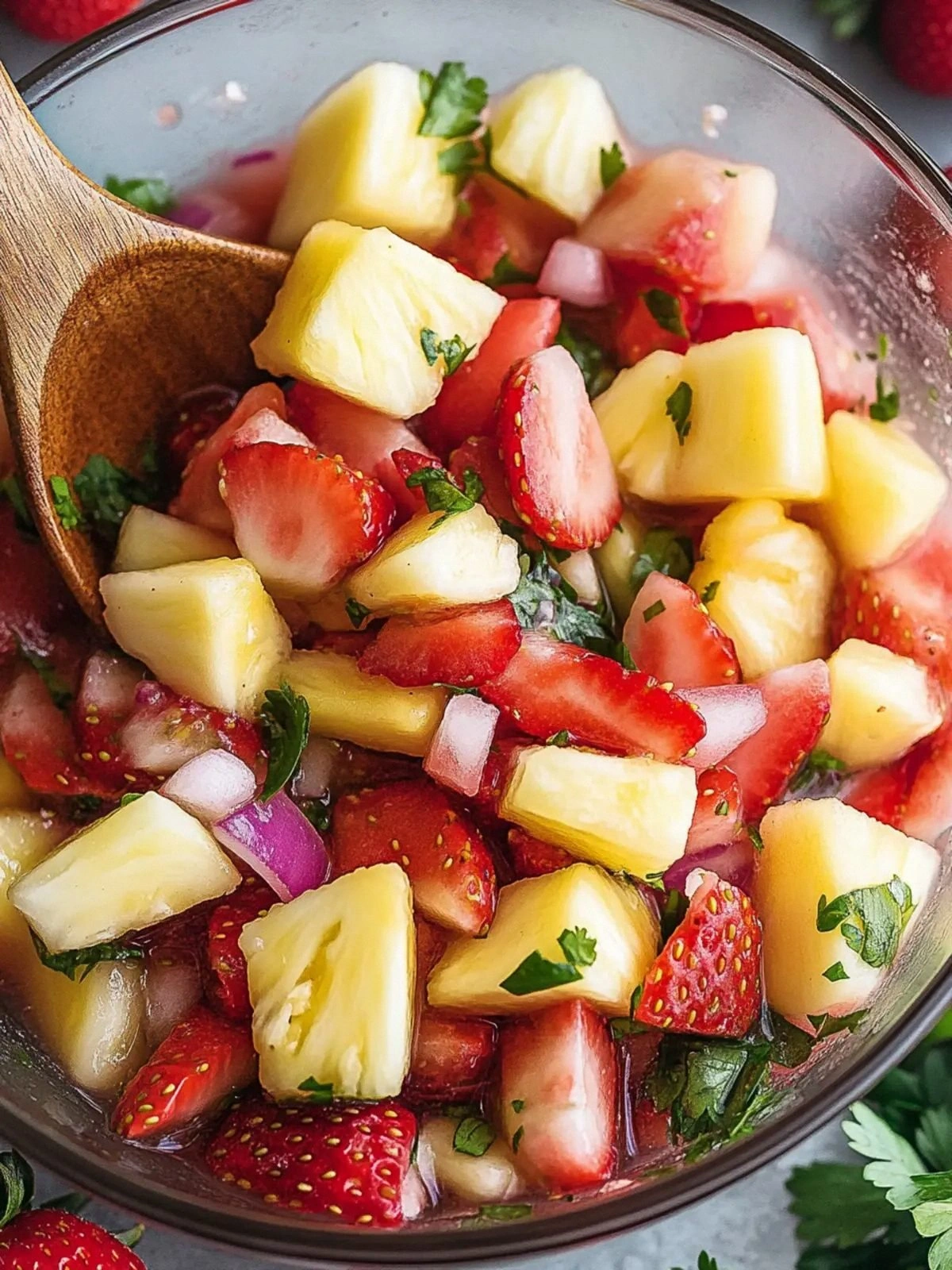
When you first cut into a strawberry, its bright red flesh releases a burst of juice that smells like sunshine in a glass. The pineapple, with its fibrous texture, offers a subtle caramelized sweetness that pairs beautifully with the sharpness of lime. The red onion adds a crisp bite that cuts through the fruit’s sweetness, while the cilantro brings a fresh, almost citrusy finish that lifts the entire mix. And that jalapeño? It’s not just heat; it’s a smoky undertone that gives the salsa a depth of flavor that’s both daring and comforting. Together, these ingredients create a vibrant tapestry of colors, textures, and aromas that will make your taste buds dance.
What sets this version apart is not just the freshness of the produce but the way the flavors are balanced. I dare you to taste this and not go back for seconds. The salsa’s acidity from lime juice cuts through the fruit’s natural sugars, creating a bright, refreshing bite that feels like a summer breeze on your tongue. The jalapeño is finely minced to release heat evenly, so each spoonful delivers a gentle kick that lingers without overwhelming the palate. The cilantro is chopped just enough to keep its bright green hue without turning it into a mushy garnish. And the final pinch of salt? It’s the secret that brings all the elements together, allowing each flavor to shine without competing.
If you’ve ever tried a salsa that tastes like a fruit salad, you know the disappointment. Most recipes get this completely wrong by overcooking the fruit or adding too much salt, which mutes the delicate sweetness. In this recipe, everything is raw, so the natural sugars stay intact and the fruit’s bright flavors stay front and center. I’ll be honest— I ate half the batch before anyone else got to try it, and the second portion was even better because the flavors had a chance to meld. Picture yourself pulling this out of the fridge, the whole kitchen smelling incredible, and knowing that the next bite will be just as exciting as the first.
What Makes This Version Stand Out
- Taste: The combination of sweet, tart, spicy, and herbal notes creates a complex flavor profile that feels both familiar and adventurous.
- Texture: The crispness of the strawberries and the slight chew of the pineapple contrast with the crunchy onion, giving each bite a satisfying bite.
- Freshness: All ingredients are used raw, preserving the natural sweetness and vibrant colors that make this salsa visually stunning.
- Heat Level: The finely minced jalapeño delivers a controlled heat that is noticeable yet balanced, allowing the fruit to shine.
- Versatility: Serve it with chips, tacos, grilled chicken, or as a topping for grilled fish—any dish can be elevated with this salsa.
- Make‑Ahead Potential: It keeps its flavor for up to 48 hours in the fridge, making it a perfect prep-ahead snack for parties.
- Ingredient Quality: Using high‑quality, locally sourced produce guarantees the best flavor and the healthiest option.
- Presentation: The vibrant colors make it Instagram‑ready, and the bright green cilantro garnish adds a pop of contrast.
Alright, let's break down exactly what goes into this masterpiece...
Inside the Ingredient List
The Flavor Base
The strawberries and pineapple are the heart of this salsa, providing natural sweetness and a burst of juiciness that keeps the mix moist. When selecting strawberries, look for firm, bright red berries with a slight sheen—this indicates ripeness and maximum flavor. If you can’t find pineapple, a ripe mango or a mix of ripe peaches can offer a similar tropical sweetness. The key is to avoid overripe fruit, which can become mushy and dilute the salsa’s crispness.
The Texture Crew
Red onion adds a sharp, slightly sweet bite that cuts through the fruit’s sweetness and provides a satisfying crunch. Choose a red onion with a light skin and firm flesh; it will stay crisp longer. If you’re sensitive to onion’s bite, try soaking the sliced onion in cold water for 10 minutes before draining—this reduces pungency without losing texture. The cilantro adds a fresh, almost citrusy finish that lifts the entire mix; chop it finely so it’s evenly distributed.
The Unexpected Star
The jalapeño pepper is the secret weapon that gives this salsa its signature heat. A medium jalapeño provides a balanced kick—enough to excite the palate without overwhelming the fruit. For a milder version, remove the seeds and membranes before chopping. If you prefer a smoky flavor, lightly toast the jalapeño pieces in a dry skillet before adding them to the salsa.
The Final Flourish
Lime juice is the bright, acidic counterpoint that cuts through the sweetness and adds a citrusy zing. Use freshly squeezed lime for the best flavor—pre‑made lime juice can taste flat. A pinch of salt is essential to bring all the flavors together and enhance the fruit’s natural sweetness. Don’t overdo it; a small pinch is enough to balance the tartness and heat.
Everything's prepped? Good. Let's get into the real action...
The Method — Step by Step
- First, wash all the produce under cold running water. The strawberries should be rinsed until the water runs clear, and the pineapple should be scrubbed to remove any dirt or wax. Pat them dry with a clean towel or paper towel—water will dilute the salsa’s flavor and cause it to be watery. This step is crucial for maintaining the bright colors and crisp textures.
- Slice the strawberries into thin, bite‑sized pieces. Use a sharp knife to keep the edges clean, which helps the fruit release its juice evenly. If you’re in a hurry, you can dice the strawberries, but thin slices give a more uniform mouthfeel. The goal is to have each piece hold its shape while still allowing the juice to mingle with the other ingredients.
- Cut the pineapple into small, uniform cubes. Peel the skin, remove the core, and chop the fruit into ¼‑inch pieces. The pineapple’s fibrous interior can be a bit tough, so be sure to remove any stringy parts. This will prevent the salsa from becoming overly chewy.
- Dice the red onion into small cubes. If you prefer a milder onion flavor, soak the diced onion in ice‑cold water for 10 minutes before draining. This technique removes some of the sharpness while keeping the crunch. The onion’s color also adds a pleasant visual contrast to the bright red and yellow of the fruit.
- Mince the jalapeño finely, removing seeds if you want a milder heat. If you’re a heat enthusiast, leave the seeds in for an extra kick. The jalapeño should be chopped into a fine paste so the heat distributes evenly throughout the salsa. Be careful not to touch your eyes or face after handling the pepper; a quick rinse with water is advisable.
- In a large bowl, combine the strawberries, pineapple, onion, and jalapeño. Gently toss to mix the ingredients without crushing the fruit. The goal is to keep the pieces intact so each spoonful delivers a balanced bite of fruit, crunch, and heat.
- Finally, fold in the chopped cilantro. The cilantro should be added last to prevent it from wilting in the acidic environment. Toss gently to distribute the herbs evenly. Let the salsa sit at room temperature for 10 minutes before serving to allow the flavors to meld.
- Serve immediately with your favorite tortilla chips, or chill in the refrigerator for up to 48 hours. If you’re planning ahead, keep the salsa in an airtight container to preserve its freshness. This salsa is perfect for picnics, parties, or a quick, refreshing snack during the summer heat.
That's it — you did it. But hold on, I've got a few more tricks that'll take this to another level...
Insider Tricks for Flawless Results
The Temperature Rule Nobody Follows
Keep the salsa at a cool, consistent temperature during preparation. A warm kitchen can cause the fruit to release excess juice, making the salsa watery. If you’re cooking in a hot environment, chill the bowl and ingredients beforehand; this helps maintain the salsa’s crisp texture.
Why Your Nose Knows Best
Smell the salsa after adding the lime juice. A bright citrus aroma indicates the lime has been freshly squeezed, not pasteurized. If the scent is flat, add a splash of fresh lime juice to revive the acidity and brighten the overall flavor profile.
The 5‑Minute Rest That Changes Everything
After tossing all ingredients, let the salsa rest for exactly five minutes before serving. This short rest allows the flavors to marry without losing the fruit’s natural juiciness. I once skipped this step and the salsa tasted like a fruit salad; the rest period is the secret sauce.
The “No‑Melt” Trick
If you’re using the salsa on grilled chicken or fish, drizzle a thin layer of olive oil over the meat before adding the salsa. The oil creates a barrier that prevents the salsa from soaking into the protein, keeping the salsa crisp and vibrant.
The “Just‑Right” Jalapeño Hack
For a smoky heat, toast the jalapeño pieces in a dry skillet for 1–2 minutes before chopping. This subtle toasting brings out a deeper flavor without making the salsa too spicy. A friend once tried this trick and said the salsa felt like a summer barbecue in a bowl.
Creative Twists and Variations
This recipe is a playground. Here are some of my favorite ways to switch things up:
The Tropical Twist
Swap the pineapple for diced mango or papaya for a sweeter, tropical flavor. The mango’s smooth texture pairs well with the strawberries, while the papaya adds a mellow sweetness. This version is perfect for a beach day or a summer brunch.
The Smoky Kick
Add a teaspoon of smoked paprika or a splash of chipotle in adobo sauce for a smoky depth. This variation is great with grilled shrimp or as a topping for tacos. The smoky flavor complements the fruit’s brightness, creating a complex taste profile.
The Herb Garden
Replace cilantro with fresh mint or basil for a different herbal note. Mint adds a cool, refreshing bite, while basil gives a slightly sweet, peppery flavor. This twist works well with chicken or fish, adding a fresh layer of aroma.
The Sweet and Salty Duo
Add a tablespoon of honey or agave syrup to balance the heat and acidity. The added sweetness enhances the fruit’s natural flavors, while the salt still ties everything together. This version is ideal for those who love a sweet‑savory combo.
The Protein Power
Serve the salsa over grilled chicken or shrimp for a protein boost. The salsa’s bright flavors cut through the richness of the protein, making it a healthy, satisfying meal. It’s also great for a quick lunch or a light dinner.
Storing and Bringing It Back to Life
Fridge Storage
Store the salsa in an airtight container in the refrigerator for up to 48 hours. Keep it away from strong‑smelling foods, as the salsa can absorb odors. Before serving, give it a quick stir and add a splash of lime juice if the acidity has dulled.
Freezer Friendly
Although fresh salsa doesn’t freeze well due to the fruit’s texture, you can freeze the diced fruit separately and add it to a fresh batch later. If you must freeze the salsa, do so in a freezer‑safe container for no more than 24 hours. Thaw in the refrigerator overnight before using.
Best Reheating Method
Since this salsa is best served cold, there’s no need to reheat. However, if you prefer a warmer salsa, gently warm it in a saucepan over low heat for 2–3 minutes, stirring frequently. Add a tiny splash of water before reheating—it steams back to perfection, keeping the fruit from drying out.