Love this? Pin it for later! 📌
My relationship with breakfast has always been… complicated. As a food blogger who spends her days elbow-deep in brownie batter and midnight cinnamon rolls, you’d think I’d have my morning routine down pat. Yet for years I found myself standing in front of the refrigerator at 6:17 a.m., hair still wet from the shower, desperately trying to remember if I’d eaten breakfast yesterday while my toddler tugged at my robe and the dog barked at absolutely nothing.
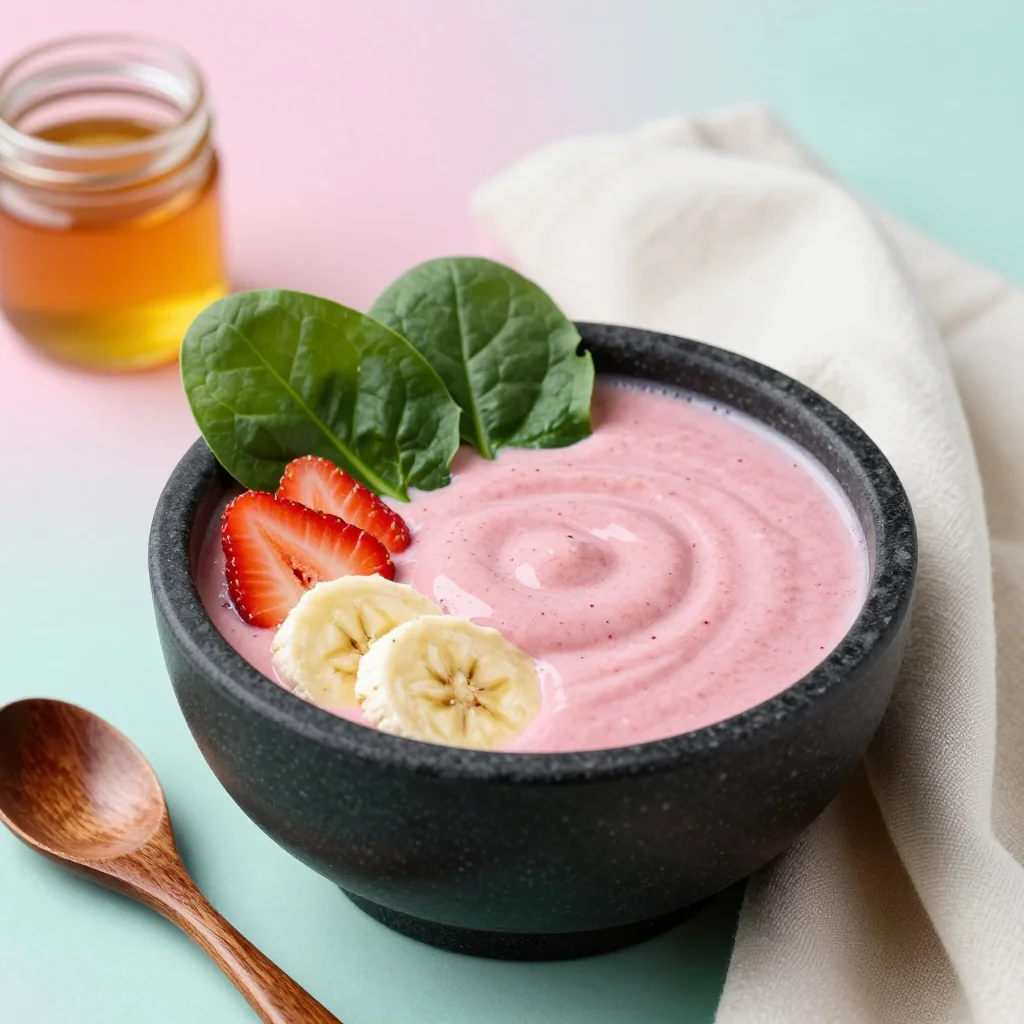
Everything changed the morning my neighbor—super-mom of three and part-time yoga instructor—handed me a frosty plastic bag filled with pre-portioned fruit. “Just add almond milk and whirl,” she said with the serene smile of someone who clearly had her life together. I was skeptical (could frozen fruit really taste that good?), but I blended it anyway. One sip and I was hooked: silky mango, sweet strawberries, creamy banana, and a hint of vanilla that tasted like sunshine in a glass. Even better? My daughter asked for seconds, the dog got a walk, and I answered my first email before 7:30 a.m.—all without a single saucepan to scrub.
Since that day, I’ve turned my freezer into a rainbow library of smoothie packs. I prep twelve at a time on quiet Sunday afternoons, layering farmers-market produce, super-food boosters, and little dessert-worthy surprises (hello, white-chocolate chips) into reusable silicone bags. When the week inevitably spirals into chaos, I grab a pack, dump it into the blender with my liquid of choice, and in forty-five seconds I’m holding a breakfast that tastes like I stopped at a boutique juice bar on the way to preschool drop-off. These smoothie packs have carried me through postpartum exhaustion, book-deadline panic, and every flu season since 2019. They’re also the reason my husband finally stopped buying $11 bottled smoothies on his commute, which—in our house—qualifies as a genuine financial victory.
Why This Recipe Works
- Zero Morning Prep: Everything is washed, chopped, and portioned—just add liquid and blend.
- Maximum Nutrition: Each pack hides two cups of produce plus chia, hemp, or collagen for long-lasting energy.
- Dessert-Level Flavor: We’re talking strawberry–shortcake, chocolate-peanut-butter-cup, and piña-colada profiles that feel indulgent.
- Budget-Friendly: Buying seasonal fruit in bulk and freezing it yourself costs about one-third of coffee-shop smoothies.
- Allergy-Safe & Flexible: Naturally gluten-free with easy swaps for dairy, nuts, or added sugars.
- Kid-Approved: Sweet enough that little ones think it’s a milkshake, balanced enough that parents feel great about it.
- Zero Waste: Reusable bags mean no single-use plastic bottles heading to the recycling bin.
Ingredients You'll Need

Before you start layering, take five minutes to pick the best produce you can find. Ripe-but-firm bananas freeze into creamy coins, while bruised ones turn to mush. Strawberries should smell like summer even in February; if they’re white inside, swap for frozen organic berries that were flash-frozen at peak ripeness.
Bananas: Nature’s sweetener and texture magician. Choose yellow bananas speckled with brown spots for maximum sweetness. Peel, slice into ½-inch coins, and flash-freeze on a parchment-lined sheet so they don’t clump together. If you’re watching sugar, swap half the banana for steamed then frozen cauliflower rice; you’ll never taste it under cocoa and peanut butter.
Mango: Adds tropical silkiness and a sunny color that practically begs to be Instagrammed. Fresh mango works, but frozen cubes are often cheaper and pre-prepped. Aim for bags where the only ingredient is “mango”—no syrups or ascorbic acid blends.
Strawberries: The antioxidant powerhouse. Buy local when possible; strawberries top the “Dirty Dozen” list for pesticide residue, so organic is worth the splurge. Remove leafy tops but keep berries whole before freezing to limit surface area that can get freezer-burn.
Greek Yogurt: Protein that keeps you full until lunch. I use 2 % because it freezes softer than non-fat yet still feels indulgent. Dairy-free? Replace with coconut yogurt or silken tofu; both give tangy richness without lactose.
Almond Butter: Healthy fats plus dessert vibes. Choose natural versions with just almonds and salt. If nuts are off the table, sunflower-seed butter is a seamless swap that turns the smoothie a fun greenish hue (thanks to chlorophyll).
Chia Seeds: Tiny seeds, massive fiber. They thicken as they sit, so I add them frozen rather than fresh to slow the absorption. White chia disappears visually if you have picky eaters who revolt at “speckles.”
Vanilla Extract: The flavor bridge that makes every component taste cohesive. Use pure extract, not imitation, and measure with a light hand—too much turns bitter in the freezer.
Medjool Dates: Nature’s caramel. Pit and tear in half so your blender doesn’t stall on one big sticky piece. If your fruit is ultra-ripe you can skip dates; if you’re keto, swap for monk-fruit drops.
Liquid for Blending: Not frozen into the pack—store separately. My go-to is unsweetened almond milk for neutrality, but cold brew, oat milk, or coconut water all shine depending on the flavor theme.
How to Make Freezer-Ready Breakfast Smoothie Packs for Busy Starts
Label Your Bags First
Use a Sharpie on quart-size silicone or freezer-grade zip bags. Write the smoothie name, date, and liquid amount (e.g., “PB&J Blast — ¾ cup oat milk”). Labels stick after freezing, so do this now while the plastic is room-temperature and pliable.
Prep Fruit on Sheet Pans
Spread banana coins, strawberry halves, and mango cubes on parchment-lined rimmed sheets. Flash-freeze for 2 hours; this keeps pieces from fusing into a giant fruit boulder you’ll later have to chainsaw apart.
Portion Yogurt into Cubes
Spoon Greek yogurt into silicone ice cube trays; each cube equals roughly two tablespoons. Freeze solid, then pop out. These yogurt “ice cubes” create milkshake texture without watering the smoothie the way regular ice does.
Assemble in Layers
Start with soft ingredients (yogurt cubes, nut butters) at the bottom of the bag; they’ll be the first to hit the blades. Next add fibrous fruit (apple, pear) in the middle, and finish with delicate berries on top so they don’t get crushed.
Press Out Air & Seal
Fold the top two inches of the bag outward like a cuff so no food gets trapped in the zipper. Press gently to expel excess air—oxygen is what causes freezer burn and off flavors. Lay bags flat on a freezer shelf so they freeze in thin rectangles that stack like books.
Blend Straight from Frozen
Tear open the pack, dump contents into a high-speed blender, add your labeled liquid, and start on low. Ramp to high for 45–60 seconds until the vortex looks smooth and the sound changes from rattling to whirring. If blades stall, add another splash of liquid and pulse.
Serve Immediately or Jar for Later
Pour into a chilled mason jar and snap on a leak-proof lid if you’re running out the door. Smoothies separate after about 30 minutes; if that happens just give the jar a vigorous shake. They’re best within four hours, but will hold for 24 if refrigerated.
Expert Tips
Keep It Frosty
Chill your liquid before adding; warm milk melts the fruit and creates a watery smoothie.
Low to High Speed
Starting on low prevents air pockets; gradually increase to high for the creamiest texture.
Add Liquid Last
Pouring liquid over frozen ingredients helps weigh them down toward the blade.
Layer for Thickness
Put protein powders or nut butters closer to the blade so they fully incorporate.
Overnight Thaw Option
Pop a pack into the fridge the night before for an even quicker 20-second morning blend.
Color Code Bags
Use colored zip ties or Sharpie doodles so kids can grab their favorite flavor without digging.
Variations to Try
- Peach-Cobbler — Sub peaches for mango, add a pinch of cinnamon and ¼ cup soaked oats for cookie flavor.
- Green-Tropics — Swap spinach for half the mango and use coconut water; finish with lime zest.
- Mocha-Banana — Add 1 tsp instant espresso powder and 1 Tbsp cocoa nibs; blend with cold brew.
- Pumpkin-Pie — Use pumpkin purée, banana, pumpkin-pie spice, and maple-syrup-coated walnuts.
- Blueberry-Muffin — Combine blueberries, lemon zest, vanilla, and 2 Tbsp rolled oats for bakery vibes.
- Chocolate-Covered-Cherry — Dark cherries, cocoa powder, and a dash of almond extract.
Storage Tips
Smoothie packs keep perfectly for three months in a standard 0 °F freezer—after that fruit still tastes fine but texture and color fade. Store bags horizontally on a cookie sheet until solid, then stand upright like card files to save space. Reusable silicone bags are dishwasher safe and reduce single-use plastic, but if you opt for disposable bags, double-seal to prevent leaks.
For ultimate speed, pre-portion your liquids: fill 12-ounce mason jars with almond milk, screw on lids, and refrigerate up to five days. In the morning you can dump pack + liquid into the blender without measuring. If you blend the night before, store in an airtight jar with a splash of lemon juice to slow oxidation; shake vigorously before drinking.
Frequently Asked Questions

Freezer-Ready Breakfast Smoothie Packs for Busy Starts
Ingredients
Instructions
- Label bag: Write smoothie name, date, and liquid amount on quart-size freezer bag.
- Layer: Add yogurt, almond butter, chia, vanilla, and date to the bottom; top with frozen fruit.
- Seal: Press out air, seal, and freeze flat up to 3 months.
- Blend: Empty pack into blender, add almond milk, start low then blend on high 45–60 s until smooth.
- Serve: Pour into a chilled glass or travel jar; sip immediately or refrigerate up to 24 h.
Recipe Notes
For ultra-creamy texture, let the pack sit at room temp 5 min before blending. If your blender is less than 700 W, halve the batch to prevent motor strain.