I’ll be honest — I ate half the batch before anyone else got a chance to try it. It all started on a rainy Thursday when I was craving something that could satisfy my love for smoky barbecue and my unabashed obsession with Korean street food. I rummaged through the pantry, pulled out a lone pack of flour tortillas, and wondered how on earth I could cram bulgogi beef, kimchi crunch, and that oh‑so‑sweet gochujang glaze into a handheld marvel. The first attempt was a disaster: the tortilla sogged, the beef turned rubbery, and the flavors clashed like a bad karaoke duet. That flop set me on a mission to perfect a Korean BBQ Burrito that would make my friends drool and my Instagram followers beg for the recipe.
Picture this: the kitchen humming with the sizzle of beef hitting a scorching pan, the air thick with the fragrant perfume of sesame oil, toasted garlic, and a whisper of ginger. The sound of the spoon scraping the bottom of the wok is a rhythmic beat that keeps me moving, while a glossy, caramel‑kissed sauce slides over the meat like molten caramel. My fingertips feel the heat of the pan, the dough of the tortilla warm under my palm, and the cool crunch of kimchi snapping between my teeth as I sample a bite. It’s a full‑on sensory overload that makes the whole house feel like a bustling Seoul street market meets a Texas rodeo.
Most Korean BBQ burrito recipes either drown the meat in sauce, leaving the tortilla soggy, or they skimp on the spice, making the whole thing feel flat. I dared to go bold: a quick sear for that coveted char, a finishing glaze that coats the meat like satin, and a clever layering method that keeps the tortilla crisp while still delivering that melt‑in‑your‑mouth juiciness. The secret? A two‑step cooking process that gives the beef its charred edge and a thin layer of rice‑kimchi mixture that acts as a moisture barrier. Trust me, this is hands down the best version you'll ever make at home.
And now for the tease: I’m about to reveal a surprising ingredient that most people would never imagine in a burrito, yet it elevates the dish to new heights of umami brilliance. Keep reading, because I promise the payoff is worth every second you spend in the kitchen. Let me walk you through every single step — by the end, you'll wonder how you ever made it any other way.
What Makes This Version Stand Out
- Flavor Explosion: The combination of gochujang, sesame oil, and a touch of honey creates a sweet‑heat balance that sings on the palate. Each bite hits you with a citrusy zing from rice vinegar, followed by a lingering smoky aftertaste.
- Texture Symphony: Charred beef, crunchy kimchi, creamy cheese, and a perfectly toasted tortilla form a layered mouthfeel that keeps you engaged from first bite to last.
- Simplicity Meets Sophistication: Despite the complex flavor profile, the recipe uses only pantry staples and a few specialty items, making it doable for a weeknight dinner.
- Unexpected Star: A splash of rice‑vinegar‑infused mayo adds a tangy creaminess that ties the heat and sweet together without overwhelming the dish.
- Crowd‑Pleaser: This burrito doubles as a party snack and a hearty main, so you’ll instantly become the hero of any gathering.
- Ingredient Quality: Using thinly sliced ribeye or flank steak ensures tenderness, while premium gochujang delivers authentic Korean depth.
- Cooking Method: The two‑stage sear‑then‑glaze technique locks in juices, preventing sogginess and guaranteeing a caramelized crust.
- Make‑Ahead Friendly: The beef and sauce can be prepared up to 24 hours in advance, allowing you to assemble the burritos fresh at the last minute.
Alright, let's break down exactly what goes into this masterpiece...
Inside the Ingredient List
The Flavor Base
The backbone of this burrito is the gochujang‑soy‑sesame glaze. Gochujang brings fermented soybean depth, while soy sauce adds umami and salt. Sesame oil contributes a nutty aroma that whispers of toasted peanuts, and a splash of rice vinegar lifts the whole profile with a bright acidity. If you skip the gochujang, you’ll lose that signature Korean heat and the sauce will taste flat like unseasoned broth. For a milder version, substitute half the gochujang with Korean chili flakes (gochu‑garu) and a drizzle of honey.
The Texture Crew
Thinly sliced beef (ribeye or flank) is essential for quick searing. The thin cut ensures each piece gets a perfect Char without overcooking, delivering a tender, juicy bite. If you opt for a thicker cut, the interior will stay raw while the exterior burns, ruining the texture. The shredded mozzarella provides melty richness, while kimchi adds a probiotic tang and a satisfying crunch. Replacing kimchi with quick‑pickled daikon offers a milder sour bite without the spice.
The Unexpected Star
A spoonful of gochujang‑infused mayo may sound odd, but it creates a creamy veil that tempers the heat and adds silkiness to each bite. This secret weapon keeps the tortilla from getting soggy because the mayo forms a thin barrier. If you’re dairy‑free, swap mayo for a dab of avocado puree blended with a dash of lime juice.
The Final Flourish
Toasting the tortilla on a dry skillet just before assembly locks in a golden crisp that resists sogginess. A sprinkle of toasted sesame seeds adds an extra nutty crunch and a visual pop of contrast. Finally, a handful of fresh cilantro brings herbaceous brightness, cutting through the richness. Missing any of these finishing touches means sacrificing the layered complexity that makes the burrito unforgettable.
Everything's prepped? Good. Let's get into the real action...
The Method — Step by Step
Start by assembling the marinade. In a bowl, whisk together 2 tablespoons soy sauce, 1 tablespoon gochujang, 1 tablespoon sesame oil, 2 teaspoons honey, 2 minced garlic cloves, 1 teaspoon grated ginger, and 1 tablespoon rice vinegar. Add the 1 pound of thinly sliced beef, toss to coat, and let it sit for at least 15 minutes. That sizzle when it hits the pan? Absolute perfection.
While the beef marinates, cook 1 cup of short‑grain rice according to package instructions. Fluff it once done, and set aside to cool slightly. This rice will act as a moisture barrier inside the burrito, preventing the tortilla from turning soggy.
Heat a large cast‑iron skillet over high heat, then add 1 tablespoon vegetable oil. Once the oil shimmers, add the beef in a single layer, making sure not to overcrowd the pan. Let it sear without moving for about 30 seconds, then stir‑fry for another 1–2 minutes until the edges turn caramelized and slightly charred. Watch Out: Overcooking will make the beef tough, so keep an eye on the color.
Return the pan to medium‑high heat and pour in the remaining glaze (the leftover marinade). Let it bubble and thicken for about 2 minutes, coating each piece of beef in a glossy, sticky glaze that should cling like velvet. Taste a spoonful; you should sense a balanced sweet‑heat with a faint nuttiness from the sesame oil.
Meanwhile, in a separate skillet, lightly toast the four 10‑inch flour tortillas for 20–30 seconds per side until you see golden specks. This quick toast gives the tortilla a subtle crunch that will hold up against the juicy fillings.
Now, assemble the gochujang mayo. Mix ¼ cup mayonnaise with 1 tablespoon gochujang until smooth. This mayo acts as a luxurious glue that prevents sogginess and adds a creamy heat.
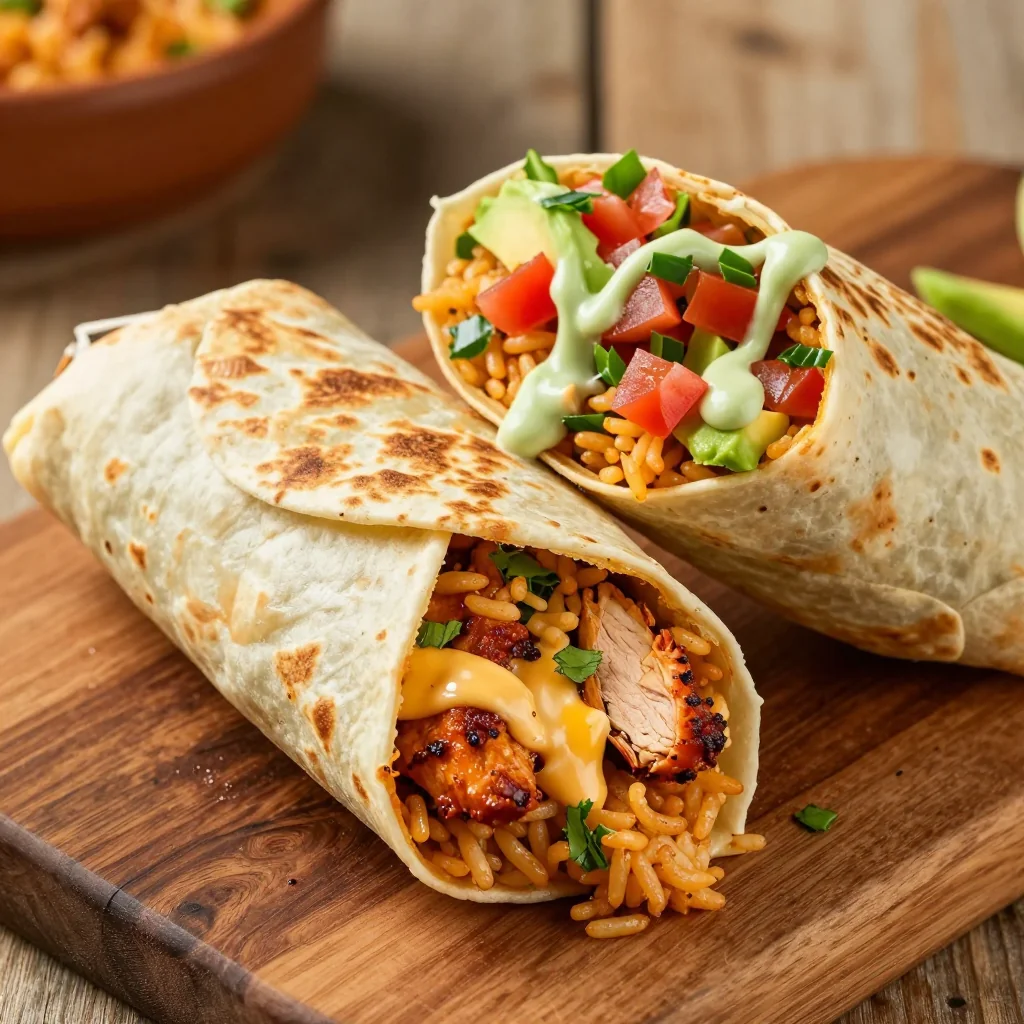
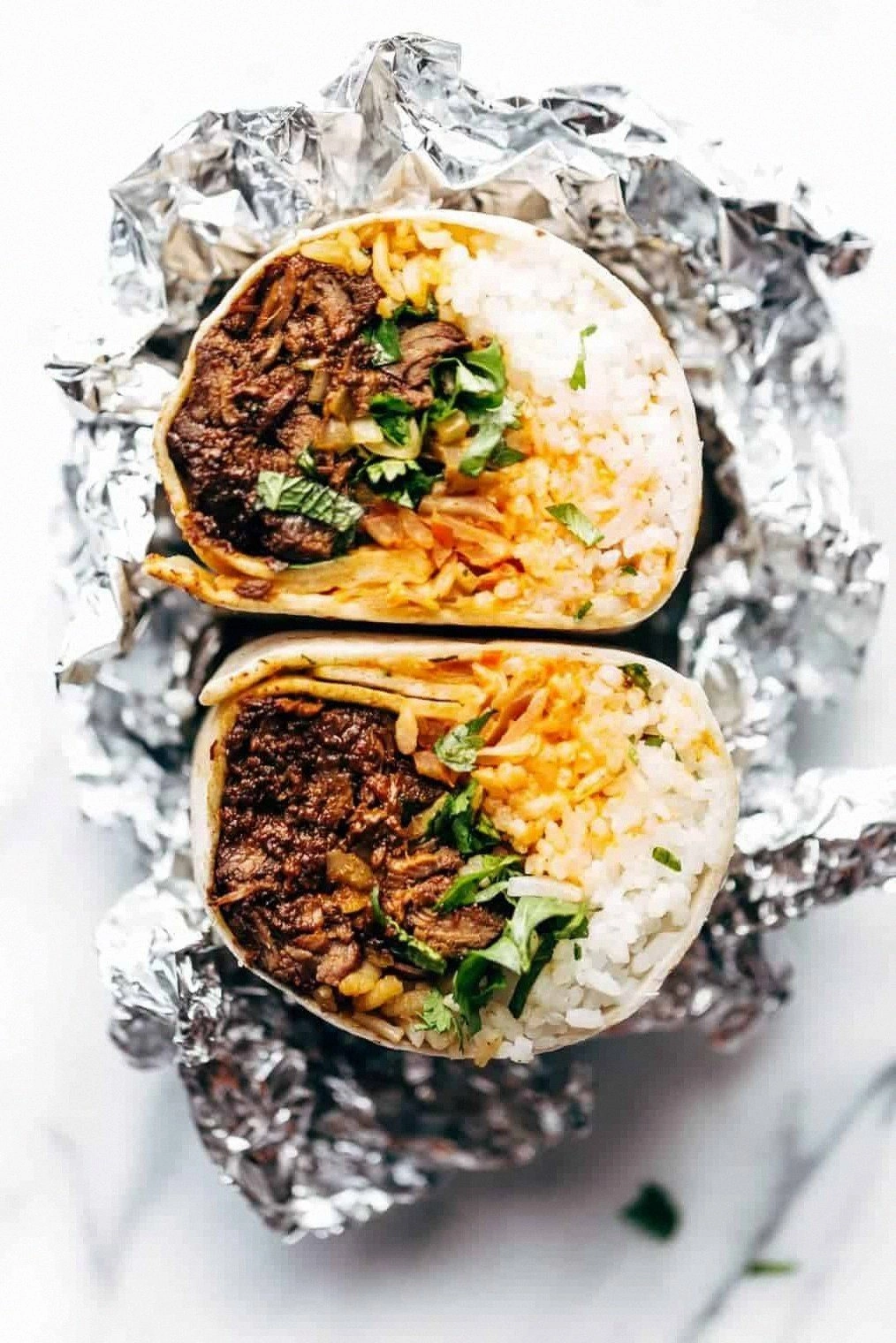
Start building each burrito: spread a thin layer of the gochujang mayo over the center of a warm tortilla, add ¼ cup of rice, then a generous mound of the glazed beef, followed by ¼ cup kimchi, 2 tablespoons shredded carrots, a sprinkle of cheese, a drizzle of extra mayo if desired, and finish with cilantro leaves and toasted sesame seeds. Fold the sides in, then roll tightly, tucking the ends as you go.
For the finishing touch, place the assembled burritos seam‑side down on the skillet over medium heat for 1 minute per side, pressing gently with a spatula. This gives the exterior a crispy, caramelized crust and melts the cheese inside. That satisfying crunch you hear? That’s the sound of success.
Slice each burrito in half at a diagonal, arrange on a platter, and garnish with a drizzle of extra gochujang mayo and a sprinkle of sesame seeds. Serve immediately while the tortilla is still crisp and the beef is still glistening. That first bite? Pure magic. I dare you to taste this and not go back for seconds.
That's it — you did it. But hold on, I've got a few more tricks that'll take this to another level...
Insider Tricks for Flawless Results
The Temperature Rule Nobody Follows
Never start cooking beef on a cold pan. Preheat your skillet until a drop of water dances and evaporates instantly. This high initial heat creates a Maillard reaction, forming that coveted crust. One time a friend tried a “low‑and‑slow” approach and ended up with beef that tasted like boiled leather. Trust the heat; it’s the secret handshake of flavor.
Why Your Nose Knows Best
When the glaze starts to bubble, lean in and sniff. If you catch a caramel‑toasted almond note, you’re ready to pull it off the heat. If the aroma veers too sharp toward burnt sugar, reduce the flame immediately. Your nose is a built‑in timer that beats any stopwatch.
The 5‑Minute Rest That Changes Everything
After searing, let the beef rest for five minutes covered loosely with foil. This lets the juices redistribute, avoiding the dreaded dry bite. I once skipped this step and the meat was a desert. Resting is the culinary equivalent of a power nap — short, sweet, and rejuvenating.
Sauce Consistency Hack
If your glaze thickens too much before the beef is fully cooked, add a splash of water or broth to loosen it. Conversely, if it’s too runny, finish it with a quick dash of cornstarch slurry (1 tsp cornstarch mixed with 1 tbsp cold water). This gives you control over the final texture without compromising flavor.
Cilantro Timing Trick
Add cilantro at the very end, just before serving. The leaves wilt quickly under heat, losing their bright flavor. By sprinkling them last, you preserve that fresh, citrusy pop that lifts the entire bite.
Cheese Melt Mastery
Mix equal parts shredded mozzarella and cheddar for a melt that’s both stretchy and sharp. If you use only mozzarella, the cheese can become stringy; only cheddar can turn greasy. The combo gives you the best of both worlds and a flavor depth that feels like a cheesy hug.
Creative Twists and Variations
This recipe is a playground. Here are some of my favorite ways to switch things up:
Spicy Pork Swap
Replace the beef with thinly sliced pork belly marinated in the same glaze. Pork’s extra fat yields an even richer mouthfeel and a slightly sweeter profile. Perfect for those who love a melt‑in‑your‑mouth pork cut.
Veggie‑Only Version
Omit the meat and use smoked tofu cubes or king oyster mushrooms, marinated the same way. Add a handful of roasted sweet potato strips for a hearty bite. This keeps all the flavor while making the dish fully plant‑based.
Cheese‑Lover’s Delight
Swap the shredded cheddar for a blend of pepper jack and gouda, then add a drizzle of queso fresco after grilling. The extra cheese stretch creates a gooey tunnel that pulls the flavors together.
Crunch‑Boosted Crunch
Add a layer of toasted rice noodles (like the crunchy garnish in Korean bibimbap) for an extra snap. The noodles hold up well against the sauce and give each bite an unexpected crunch.
Fusion Fiesta
Incorporate a few slices of fresh jalapeño and a squeeze of lime juice for a Mexican‑Korean mash‑up. The lime brightens the richness, while jalapeño adds a fresh heat that complements the gochujang.
Storing and Bringing It Back to Life
Fridge Storage
Separate the components: keep the beef and glaze in an airtight container, the kimchi in its original jar, and the tortillas wrapped in foil. Store for up to 3 days. When ready, reheat the beef in a skillet for 2 minutes, then assemble the burrito fresh.
Freezer Friendly
Wrap each fully assembled burrito tightly in plastic wrap, then place in a freezer‑safe bag. They freeze beautifully for up to 2 months. To reheat, unwrap, splash a teaspoon of water on the tortilla, and microwave on medium for 1 minute, then finish on a hot skillet for a crisp finish.
Best Reheating Method
The secret to reviving crispness is steam‑plus‑sear. Sprinkle a tiny splash of water on the tortilla, cover with a damp paper towel, and microwave for 30 seconds. Then transfer to a hot skillet, seam side down, and press for 30 seconds per side. This restores that golden crunch while keeping the interior juicy.