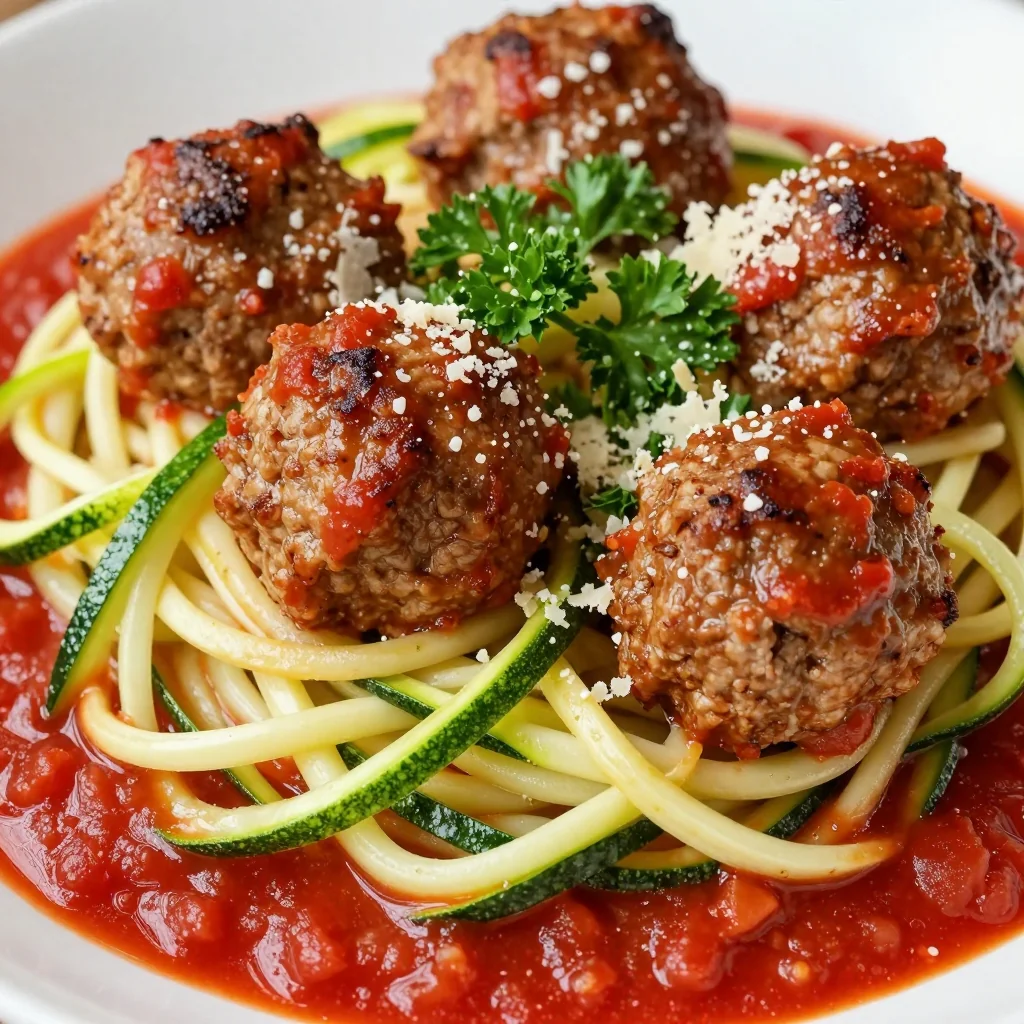
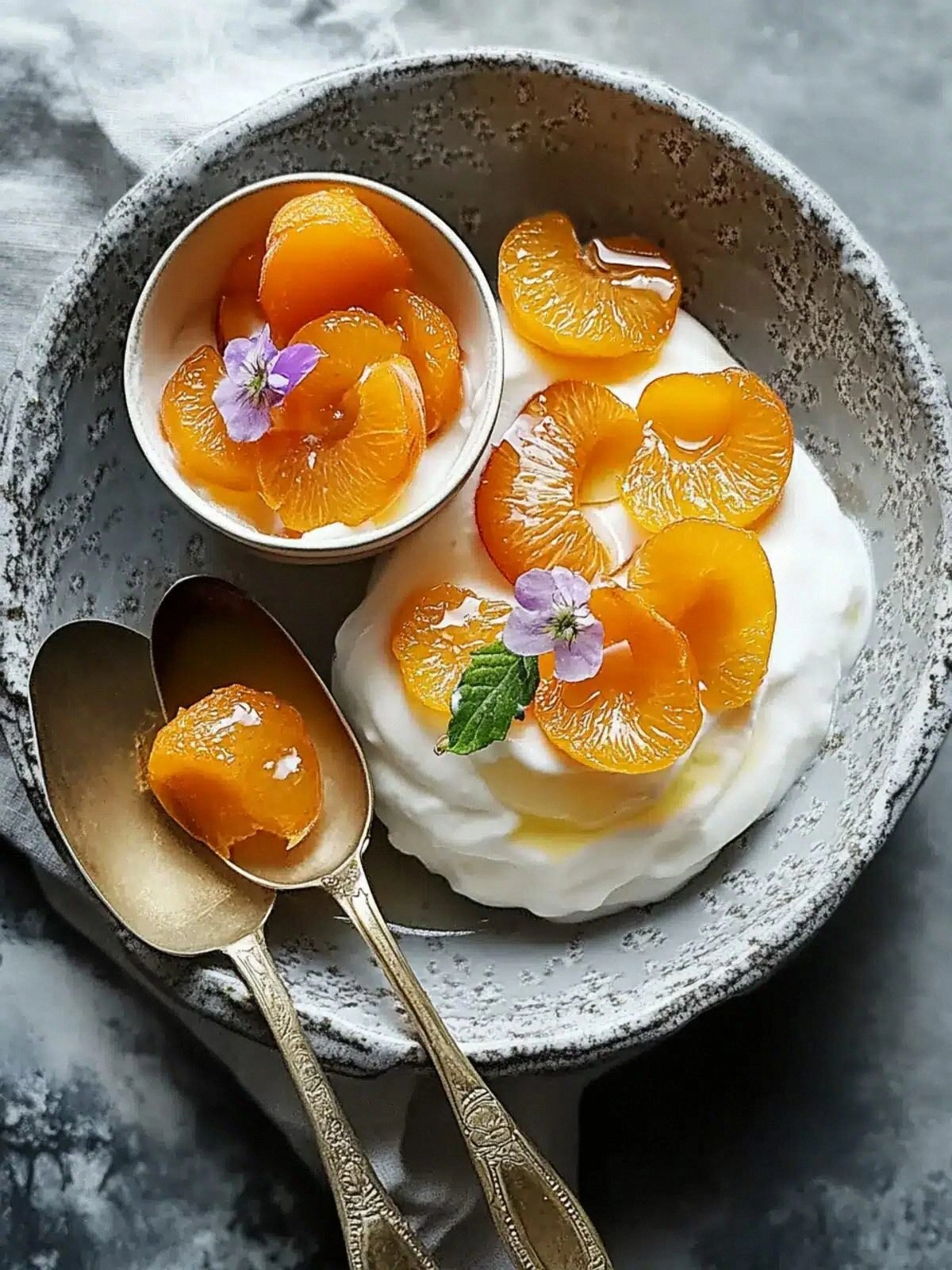
Yoghurt Cream with Sticky Apri
Picture this: I’m standing in a cramped kitchen, the air thick with the scent of butter and cinnamon, when my friend dares me to create a dessert that could win a culinary competition. I laugh, because I’ve never been one to back down from a challenge, but I know this is the moment that will define my cooking confidence. The idea is simple: a luscious yoghurt cream crowned with sticky apricots, wrapped in flaky filo that melts in your mouth. I can already taste the contrast, the sweet syrupy apricots against the cool, tangy yoghurt, and the buttery crunch that will make every bite feel like a celebration. The kitchen lights flicker as I pull the ingredients together, and I feel the electric buzz of anticipation that only a new recipe can bring.
I’ve spent years chasing the perfect dessert, trying to balance texture, flavor, and presentation, but this dish feels like a revelation. The base is a silky yoghurt cream that coats the palate like velvet, while the apricots are caramelized to a sticky, almost caramel-like glaze that sings with a subtle citrus undertone from the orange blossom water. The filo pastry, when baked to a golden crisp, offers a crackle that shatters like thin ice, releasing a buttery aroma that lingers long after the first bite. The result is a harmonious medley of sweet, salty, and a hint of spice from the cardamom pods, all wrapped in a single, elegant dish. I dare you to taste this and not go back for seconds; it’s a single bite that keeps you craving more.
What makes this version stand out is not just the ingredients but the way I’ve orchestrated them. I’ve refined the technique to ensure the yoghurt stays silky, the apricots caramelize evenly, and the filo stays crisp without absorbing excess oil. The secret? A precise balance of heat, timing, and a few unexpected twists that elevate the dish from simple to unforgettable. I’ve discovered that a pinch of sea salt can transform the sweetness of the apricots into a complex flavor profile, while a dash of orange blossom water adds an ethereal floral note that elevates the entire experience. If you’ve ever struggled with balancing textures or flavors, you’re not alone — and I’ve got the fix. Picture yourself pulling this out of the oven, the whole kitchen smelling incredible, and the anticipation of the first bite that feels like a warm hug.
Let me walk you through every single step — by the end, you’ll wonder how you ever made it any other way. I’ll share the micro-challenges that will test your patience, the bold claims that will convince you this is the best version you’ll ever make at home, and the confessions that will make you laugh at my kitchen mishaps. From the first sizzle to the final drizzle, I’ll keep you engaged with sensory snapshots, playful metaphors, and practical advice that turns a simple dessert into a culinary masterpiece. Ready? Let’s dive in.
What Makes This Version Stand Out
- Flavor: The combination of thick-set Greek yoghurt, caramelized apricots, and a subtle hint of orange blossom water creates a layered taste experience that dances on the tongue. The yoghurt’s tang cuts through the sweetness, while the apricots add a luscious, syrupy depth.
- Texture: Crisp, buttery filo pastry meets the silky cream and chewy apricots, delivering a satisfying contrast in every bite. The pastry’s crunch shatters like thin ice, while the cream coats the palate like velvet.
- Simplicity: Despite its sophisticated flavor profile, the recipe requires minimal steps and no advanced equipment. A single pan and a baking sheet are all you need.
- Uniqueness: The use of cardamom pods and orange blossom water adds an aromatic twist that sets this dish apart from traditional apricot desserts.
- Audience Appeal: This dessert is a crowd-pleaser at family gatherings, dinner parties, or a cozy night in. Guests will rave about the unexpected burst of flavors.
- Ingredient Quality: Fresh, high‑quality ingredients are key. Choosing ripe apricots, real vanilla bean paste, and unsalted butter ensures the dish shines.
- Make‑Ahead Potential: The yoghurt cream can be prepared a day ahead, and the filo layers can be assembled and frozen, making it a perfect make‑ahead dessert.
- Visual Appeal: The golden filo, glossy apricots, and creamy swirl create a dish that looks as good as it tastes.
Inside the Ingredient List
The Flavor Base
The foundation of this dessert is a luscious yoghurt cream that acts like a silky blanket over the caramelized apricots. Thick‑set Greek yoghurt provides the body and tang, while vanilla bean paste injects a deep, aromatic sweetness that elevates the entire dish. The 200 ml double cream adds richness, ensuring the cream stays silky and doesn’t separate when heated. If you’re looking for a dairy‑free alternative, a coconut‑based cream can replace the double cream, but the texture will shift slightly, becoming a bit lighter.
The 1 teaspoon of ground cinnamon is not just a spice; it’s the bridge between sweet and savory, giving the cream a warm, earthy undertone. A pinch of flaked sea salt is essential; it brightens the sweetness of the apricots and balances the overall flavor. If you prefer a saltier profile, you can increase the pinch to a full teaspoon, but be careful not to overwhelm the delicate balance.
The Texture Crew
Filo pastry is the star of the show, providing a delicate crunch that contrasts the cream’s silkiness. A single pack of filo pastry, when layered correctly, creates a crisp shell that holds the filling without becoming soggy. If you’re dealing with a large batch, it’s best to bake the filo sheets in batches to ensure even browning.
Unsalted butter (100 grams) is melted and brushed over each layer of filo to create a golden, buttery crust. The butter’s fat content is high enough to render a crisp texture but not so much that it makes the pastry greasy. For a lighter version, use clarified butter, but the flavor profile will be slightly muted.
The Unexpected Star
The 200 grams of dried apricots are the heart of this dish. When soaked in a bit of warm water for 10 minutes, they soften and release their natural sugars, creating a sticky glaze that coats the filo and the yoghurt. If you can’t find dried apricots, fresh ones can work, but they will need to be diced finely and cooked longer to achieve the same sticky texture.
Cardamom pods (four pods) add a subtle, almost citrusy spice that complements the apricots and balances the sweetness. Crush the pods lightly before adding them to the apricot mixture to release their essential oils. A pinch of cardamom can also be added to the yoghurt cream for an extra layer of flavor.
The Final Flourish
Runny honey (three tablespoons) is drizzled over the apricots during the caramelization process to enhance the natural sugars and create a glossy finish. The honey’s viscosity ensures it sticks to the apricots without making them too sticky. If you prefer a less sweet glaze, replace honey with agave syrup, but be aware it will alter the flavor slightly.
The orange blossom water (one teaspoon) is added at the final stage of the apricot cooking to give a delicate floral aroma that elevates the entire dish. A few drops of lemon juice (from one lemon) are squeezed over the finished dessert to add a bright, acidic counterpoint that cuts through the richness. If you’re allergic to citrus, a splash of lemon zest can provide a similar bright note.
Everything's prepped? Good. Let's get into the real action…
The Method — Step by Step
- Prep the Apricots: Soak the dried apricots in warm water for 10 minutes to soften them. Drain and set aside. While they soak, bring a small saucepan to low heat and add the honey. The honey should warm enough to become runny but not boil. This step ensures the apricots will caramelize evenly later. Keep a close eye on the honey; if it starts to brown too quickly, lower the heat.
- Cook the Apricots: Add the soaked apricots to the honey, stirring gently. Cook over medium heat for 8–10 minutes, or until the apricots have softened and the honey has thickened into a glossy glaze. The apricots should look almost syrupy and should cling to each other when you stir. Once they’re ready, remove from heat and sprinkle the crushed cardamom pods over the mixture. Let the cardamom infuse for a minute before moving on.
- Make the Yoghurt Cream: In a medium bowl, combine the Greek yoghurt, double cream, vanilla bean paste, and ground cinnamon. Whisk until the mixture is smooth and creamy. The cream should be thick enough to coat the back of a spoon but still pourable. Taste the mixture; if it feels too thick, add a splash of milk to adjust the consistency.
- Prepare the Filo: While the apricots finish cooking, preheat your oven to 180 °C (350 °F). Lay one sheet of filo pastry flat on a clean surface. Brush it lightly with melted butter using a pastry brush. Place another sheet on top, repeat the brushing. Continue layering until you have 8–10 sheets, always brushing each layer. This technique ensures the pastry remains crisp and buttery.
- Assemble the Layers: Spread a thin layer of the yoghurt cream onto the bottom of a baking dish (about 20 cm in diameter). Place the layered filo sheets on top of the cream, pressing gently to seal the edges. Spoon the caramelized apricots evenly over the filo, ensuring each bite contains a mix of cream and apricots. The apricots should be spread in a single layer; overcrowding will cause them to steam rather than caramelize.
- Bake: Slide the assembled dish into the preheated oven. Bake for 25–30 minutes, or until the filo is golden brown and crisp. The aroma should be buttery and slightly caramelized. After baking, remove the dish from the oven and let it cool for 10 minutes. This resting period allows the flavours to settle and the pastry to firm up.
- Finish with Orange Blossom Water: While the dish is still warm, drizzle the teaspoon of orange blossom water evenly over the top. The warmth will help the floral notes to release, adding a subtle perfume that lingers on the plate. This final touch transforms the dessert from good to unforgettable.
- Serve: Slice the dessert into portions using a sharp knife. Each slice should reveal the layers: the crisp filo, the silky yoghurt, and the glossy apricots. Garnish with a few fresh mint leaves or a dusting of powdered sugar if desired. Serve immediately, or chill briefly in the fridge if you prefer a cooler bite.
- Enjoy: Take a bite and let the flavors unfold. The initial crunch of the filo gives way to the creamy yoghurt, followed by the sweet, sticky apricots. The subtle citrus from the lemon and orange blossom water cuts through the richness, leaving a clean finish. I dare you to taste this and not go back for seconds; it’s a single bite that keeps you craving more.
That's it — you did it. But hold on, I've got a few more tricks that'll take this to another level. Keep reading for insider tips and variations that will keep your guests coming back for more.
Insider Tricks for Flawless Results
The Temperature Rule Nobody Follows
Many bakers think that higher temperatures always yield crispier pastry, but that’s not always true. For filo, a moderate oven temperature (180 °C) ensures even browning without burning. If you find your pastry browning too quickly, reduce the heat by 10 °C and add a few minutes to the baking time. This trick helps maintain a golden color while preserving the delicate texture.
Why Your Nose Knows Best
When caramelizing the apricots, listen to the scent. The moment the honey starts to bubble and the apricots emit a sweet, buttery aroma, you’re at the sweet spot. If you wait too long, the glaze will thicken too much and the apricots will burn. Trust your nose, and you’ll avoid that dreaded burnt flavor.
The 5-Minute Rest That Changes Everything
After baking, let the dessert rest for 5 minutes before slicing. This short pause allows the layers to set, preventing the cream from sliding off the filo. It also lets the caramelized apricots settle, ensuring each bite is balanced. A quick rest is a simple but effective step that many overlook.
How to Keep Filo Crisp in Humidity
If you’re in a humid climate, the filo can become soggy quickly. To counter this, store the assembled dish in an airtight container in the fridge for up to 24 hours before reheating. When you’re ready to serve, reheat in a preheated oven at 160 °C for 10 minutes. This method restores the crispness without over‑baking.
Adjusting Sweetness on the Fly
If you’re serving guests with varying tastes, you can adjust the sweetness by adding a splash of lemon juice to the apricot glaze. The acidity will cut the sweetness, creating a more balanced flavor. This tweak is especially useful when you’re serving a crowd that prefers less sugary desserts.
Creative Twists and Variations
This recipe is a playground. Here are some of my favorite ways to switch things up:
Almond Crunch Variation
Add a handful of toasted sliced almonds between the filo layers for a nutty crunch. The almond flavor pairs beautifully with the apricots, and the crunch adds a new textural dimension.
Chocolate Drizzle Edition
Drizzle a thin layer of melted dark chocolate over the finished dessert. The bittersweet chocolate complements the sweet apricots and adds a decadent finish that will impress any chocolate lover.
Minted Yogurt Twist
Infuse the yoghurt cream with fresh mint leaves by gently crushing them before whisking. The mint adds a refreshing note that balances the richness and offers a cool contrast.
Spiced Cardamom Layer
Increase the cardamom pods to six and crush them finely. Add the crushed cardamom to the yoghurt cream, creating a spiced layer that adds depth and a warm aroma.
Honey‑Glazed Apricots
Replace the honey with a mixture of honey and a splash of orange zest. The citrus zest intensifies the orange blossom water’s floral notes and adds a bright, zesty kick.
Gluten‑Free Filo Swap
For a gluten‑free version, use pre‑made gluten‑free filo pastry or a thin flatbread made from rice flour. The texture will be slightly different, but the overall flavor profile remains intact.
Storing and Bringing It Back to Life
Fridge Storage
Store the assembled dessert in an airtight container in the refrigerator for up to 48 hours. The filo will remain crisp, and the yoghurt cream will stay fresh. When ready to serve, let it sit at room temperature for 15 minutes to bring out the flavors.
Freezer Friendly
Wrap the dish tightly in plastic wrap and place it in a freezer bag. It can be frozen for up to 2 weeks. To reheat, preheat the oven to 160 °C and bake for 15 minutes, or microwave on medium power for 2 minutes, then finish in the oven for crispness.
Best Reheating Method
The key to reheating without losing crispness is a low oven temperature. Preheat to 160 °C, place the dessert on a baking sheet, and bake for 10–12 minutes. Add a splash of water before reheating to create steam, which will keep the filo from drying out and restore its buttery texture.