
Korean Beef Bowl
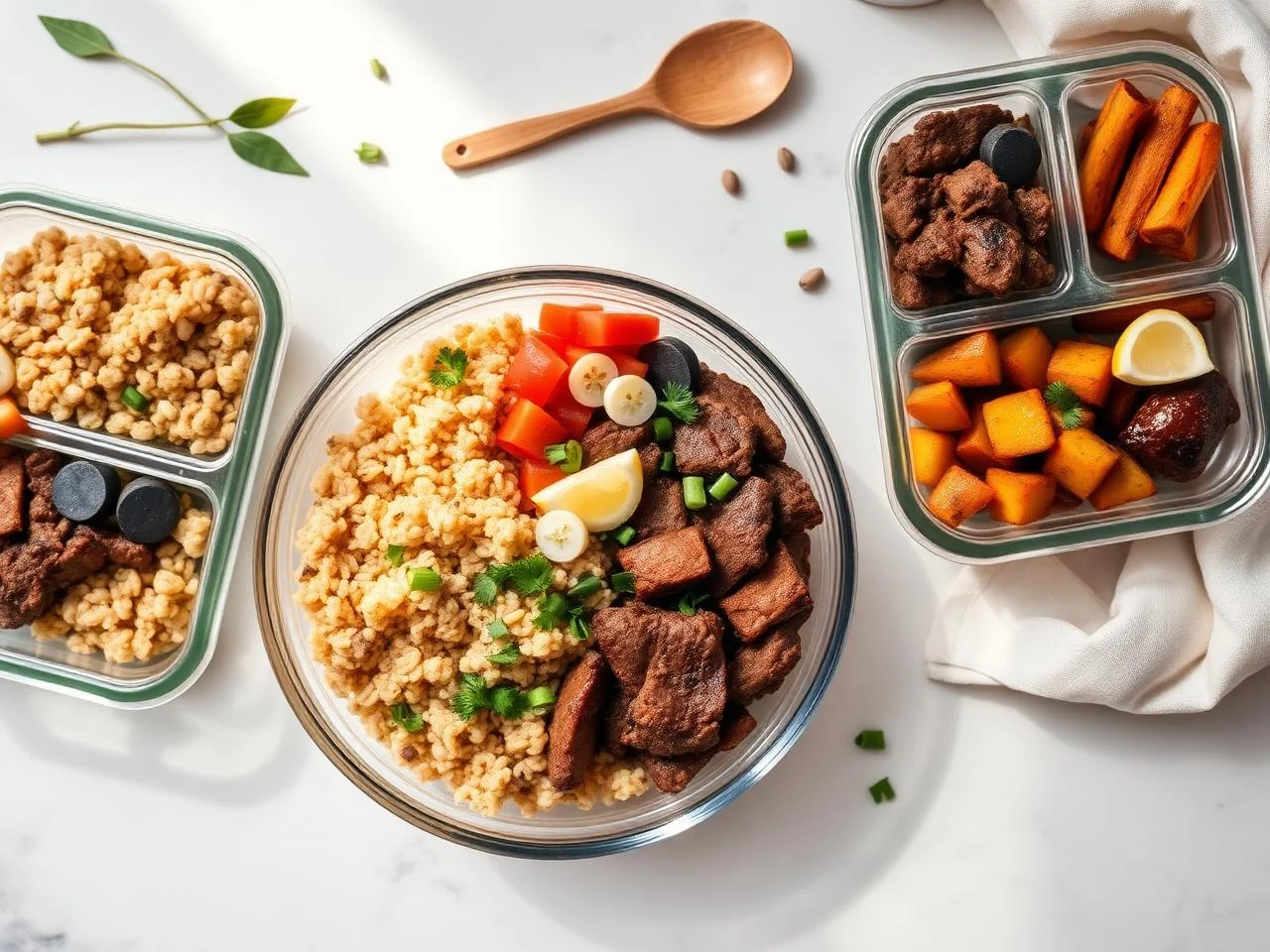
I still remember the first time I had a Korean Beef Bowl - the combination of tender beef, crunchy vegetables, and flavorful sauce was love at first bite. As a home cook, I wanted to recreate this dish in my own kitchen, and after some trial and error, I finally perfected the recipe. In this article, I'll share my secrets for making a mouth-watering Korean Beef Bowl that's perfect for meal prep and reheating.
The key to this recipe is the marinade, which is made with a combination of soy sauce, brown sugar, garlic, and ginger. This sweet and savory mixture adds depth and complexity to the beef, making it tender and juicy. To make the dish even more flavorful, I add some roasted vegetables and steamed rice, which soak up the sauce beautifully.
This recipe is perfect for busy weeknights or meal prep, as it can be made ahead of time and reheated without losing any flavor. Simply cook the beef and vegetables, assemble the bowls, and refrigerate or freeze for later. When you're ready to eat, just reheat and serve.
In addition to being delicious, this recipe is also relatively healthy, as it's made with lean beef and plenty of vegetables. You can also customize the dish to your taste by adding your favorite vegetables or using different types of protein.
Whether you're a fan of Korean cuisine or just looking for a new recipe to try, I hope you'll enjoy this Korean Beef Bowl as much as I do. So let's get started and cook up some deliciousness!
Why You’ll Love This Recipe
- This recipe is easy to make and requires minimal ingredients.
- It's perfect for meal prep and can be made ahead of time.
- The dish is highly customizable, so you can add your favorite vegetables or use different types of protein.
- It's a healthy and nutritious option, made with lean beef and plenty of vegetables.
- The sauce is sweet, savory, and umami all at once, making it a flavor bomb.
- It's a great option for busy weeknights or weekends, as it can be reheated and served quickly.
Why This Recipe Works
The key to this recipe is the marinade, which is made with a combination of soy sauce, brown sugar, garlic, and ginger. This sweet and savory mixture adds depth and complexity to the beef, making it tender and juicy. The acidity in the soy sauce helps to break down the proteins in the meat, making it more tender and easier to chew.
The roasting process for the vegetables is also important, as it brings out their natural sweetness and adds a nice caramelized flavor. By tossing the vegetables in a little bit of oil and seasoning before roasting, we can enhance their flavor and texture.
Finally, the sauce is what ties the whole dish together. Made with a combination of soy sauce, brown sugar, garlic, and ginger, it's sweet, savory, and umami all at once. By simmering the sauce for a few minutes, we can reduce it and concentrate the flavors, making it even more intense and delicious.
Ingredients You’ll Need
To make this Korean Beef Bowl, you'll need a few key ingredients, including lean beef, soy sauce, brown sugar, garlic, and ginger. You'll also need some vegetables, such as carrots, bell peppers, and green onions, as well as some steamed rice to serve as a base. Don't worry if you can't find all of these ingredients at your local grocery store - you can always substitute with similar items or omit them altogether.
When shopping for ingredients, look for lean beef that's labeled as 'sirloin' or 'ribeye'. You can also use other types of protein, such as chicken or pork, if you prefer. For the vegetables, choose ones that are firm and colorful, and avoid any that are wilted or bruised.
- 1 lb (450g) beef sirloin, sliced into thin stripsLook for lean beef that's labeled as 'sirloin' or 'ribeye'. You can also use other types of protein, such as chicken or pork, if you prefer.
- 1/4 cup (60g) soy sauceUse a high-quality soy sauce that's labeled as 'low-sodium' or 'reduced-sodium' to avoid adding too much salt to the dish.
- 2 tbsp (30g) brown sugarBrown sugar adds a rich, caramel-like flavor to the dish. You can also use honey or maple syrup if you prefer.
- 2 cloves garlic, mincedGarlic is a key ingredient in this recipe, as it adds a pungent flavor and aroma. You can also use garlic powder or garlic salt if you prefer.
- 1 tsp (5g) grated gingerGinger adds a spicy, warm flavor to the dish. You can also use ground ginger or ginger powder if you prefer.
- 1 tbsp (15g) vegetable oilUse a neutral-tasting oil, such as canola or peanut oil, to cook the beef and vegetables.
- 1 large carrot, peeled and slicedChoose a firm, colorful carrot that's free of blemishes. You can also use other types of vegetables, such as bell peppers or zucchini, if you prefer.
- 1 large bell pepper, slicedChoose a firm, colorful bell pepper that's free of blemishes. You can also use other types of vegetables, such as carrots or zucchini, if you prefer.
- 2 green onions, slicedGreen onions add a fresh, oniony flavor to the dish. You can also use other types of onions, such as yellow or red onions, if you prefer.
- 1 cup (180g) cooked white riceUse cooked white rice as a base for the dish. You can also use brown rice or other types of grains, such as quinoa or farro, if you prefer.
- Salt and pepper to tasteAdd salt and pepper to taste to bring out the flavors in the dish. You can also use other seasonings, such as soy sauce or sesame oil, if you prefer.
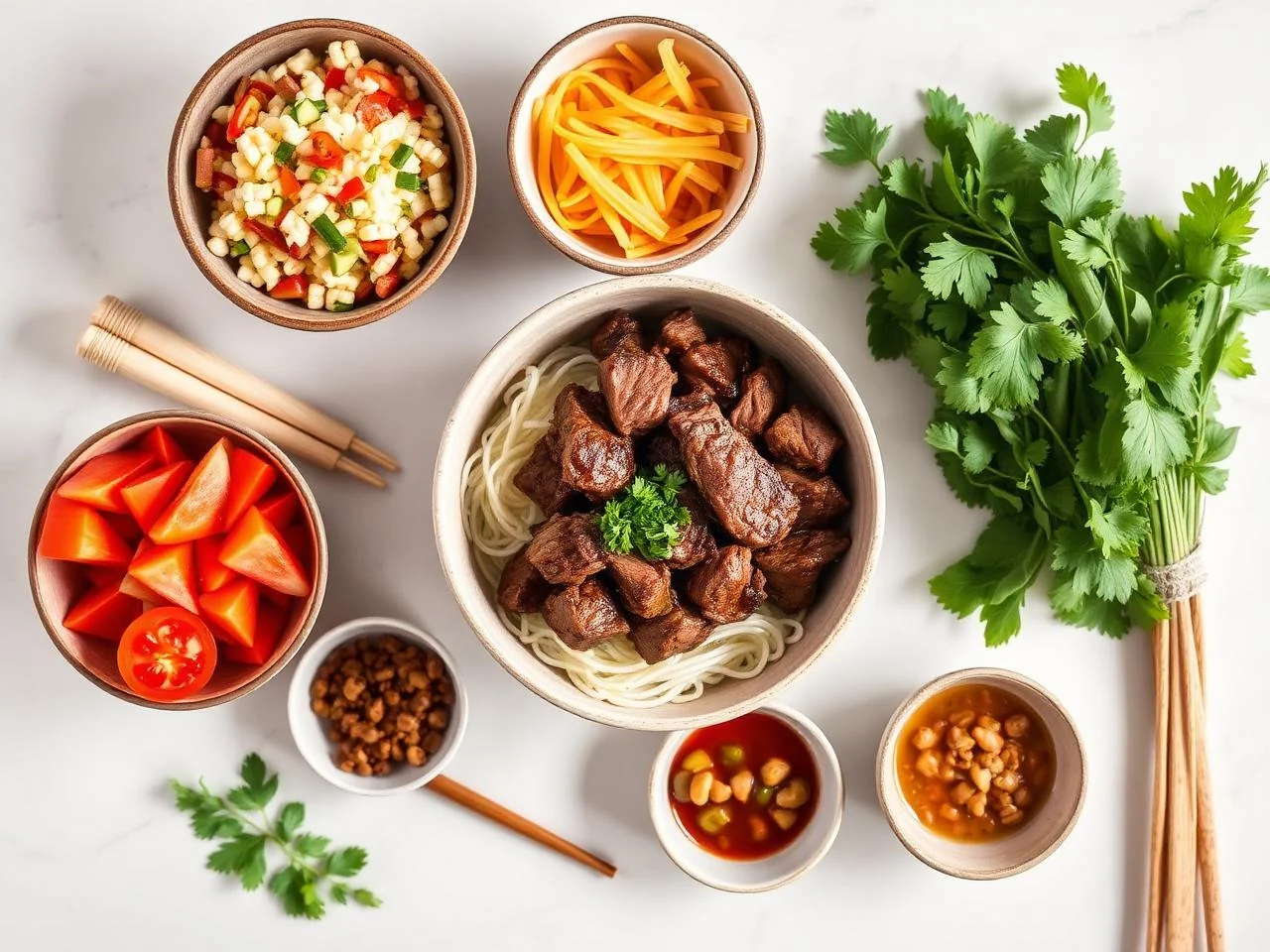
Equipment You’ll Need
How to Make Korean Beef Bowl
- 1In a large bowl, whisk together soy sauce, brown sugar, garlic, and ginger to make the marinade. Add the sliced beef and toss to coat. Cover the bowl with plastic wrap and refrigerate for at least 30 minutes or up to 2 hours.
- 2Preheat the oven to 400°F (200°C). Line a baking sheet with parchment paper or a silicone mat. Arrange the sliced carrot and bell pepper on the prepared baking sheet in a single layer. Drizzle with 1 tablespoon of vegetable oil and season with salt and pepper. Roast in the preheated oven for 20-25 minutes, or until the vegetables are tender and lightly caramelized.
- 3Remove the beef from the marinade, letting any excess liquid drip off. Heat 1 tablespoon of vegetable oil in a large skillet or wok over medium-high heat. Add the beef and cook for 3-4 minutes per side, or until it reaches an internal temperature of 145°F (63°C) for medium-rare. Transfer the beef to a plate and cover with foil to keep warm.
- 4In the same skillet, add the sliced green onions and cook for 1-2 minutes, or until they are slightly softened. Add the cooked white rice to the skillet and stir to combine with the green onions.
- 5To assemble the bowls, slice the cooked beef into thin strips. Divide the cooked rice mixture among four bowls. Top each bowl with a portion of the roasted vegetables, a few slices of the beef, and a sprinkle of salt and pepper to taste.
- 6In a small bowl, whisk together 2 tablespoons of soy sauce and 1 tablespoon of brown sugar to make the sauce. Bring the sauce to a simmer in a small saucepan over medium heat and cook for 2-3 minutes, or until it has thickened slightly.
- 7Drizzle the sauce over the top of each bowl and serve immediately.
- 8Let the bowls cool to room temperature, then cover and refrigerate for up to 3 days or freeze for up to 2 months. To reheat, microwave each bowl for 1-2 minutes, or until the ingredients are heated through.
- 9To add some crunch to the dish, sprinkle some toasted sesame seeds or chopped nuts over the top of each bowl before serving.
- 10For an extra burst of flavor, add some diced kimchi or pickled ginger to the bowls before serving.
- 11Experiment with different types of protein, such as chicken or pork, to change up the flavor of the dish.
- 12Add some heat to the dish by incorporating some red pepper flakes or sriracha into the marinade or sauce.
Expert Tips
- Use a high-quality soy sauce that's labeled as 'low-sodium' or 'reduced-sodium' to avoid adding too much salt to the dish.
- Don't overcook the beef - it should be cooked to an internal temperature of 145°F (63°C) for medium-rare.
- Use a variety of colorful vegetables to add visual appeal to the dish.
- Add some crunch to the dish by sprinkling some toasted sesame seeds or chopped nuts over the top of each bowl before serving.
- Experiment with different types of protein, such as chicken or pork, to change up the flavor of the dish.
- Let the bowls cool to room temperature before refrigerating or freezing to prevent the formation of condensation and sogginess.
- To reheat, microwave each bowl for 1-2 minutes, or until the ingredients are heated through.
- Add some heat to the dish by incorporating some red pepper flakes or sriracha into the marinade or sauce.
Common Mistakes to Avoid
- Overcooking the beef, which can make it tough and dry.
- Not using a high-quality soy sauce, which can result in a salty or bland flavor.
- Not letting the bowls cool to room temperature before refrigerating or freezing, which can cause condensation and sogginess.
- Not reheating the bowls properly, which can result in a cold or unevenly heated dish.
- Not adding enough sauce or seasoning to the dish, which can result in a bland flavor.
- Not using a variety of colorful vegetables, which can make the dish look dull and unappetizing.
Variations and Substitutions
- Add some heat to the dish by incorporating some red pepper flakes or sriracha into the marinade or sauce.
- Use different types of protein, such as chicken or pork, to change up the flavor of the dish.
- Add some crunch to the dish by sprinkling some toasted sesame seeds or chopped nuts over the top of each bowl before serving.
- Experiment with different types of vegetables, such as broccoli or Brussels sprouts, to add some variety to the dish.
- Use a variety of colorful vegetables to add visual appeal to the dish.
- Add some diced kimchi or pickled ginger to the bowls before serving for an extra burst of flavor.
- Use brown rice or other types of grains, such as quinoa or farro, instead of white rice for added nutrition and texture.
What to Serve With Korean Beef Bowl
To serve, divide the cooked rice mixture among four bowls. Top each bowl with a portion of the roasted vegetables, a few slices of the beef, and a sprinkle of salt and pepper to taste. Drizzle the sauce over the top of each bowl and serve immediately.
Some other serving suggestions include adding some diced kimchi or pickled ginger to the bowls before serving, or sprinkling some toasted sesame seeds or chopped nuts over the top of each bowl for added crunch. You can also serve the dish with some steamed bok choy or green beans on the side for added nutrition and flavor.
Make-Ahead, Storage, Freezing and Reheating
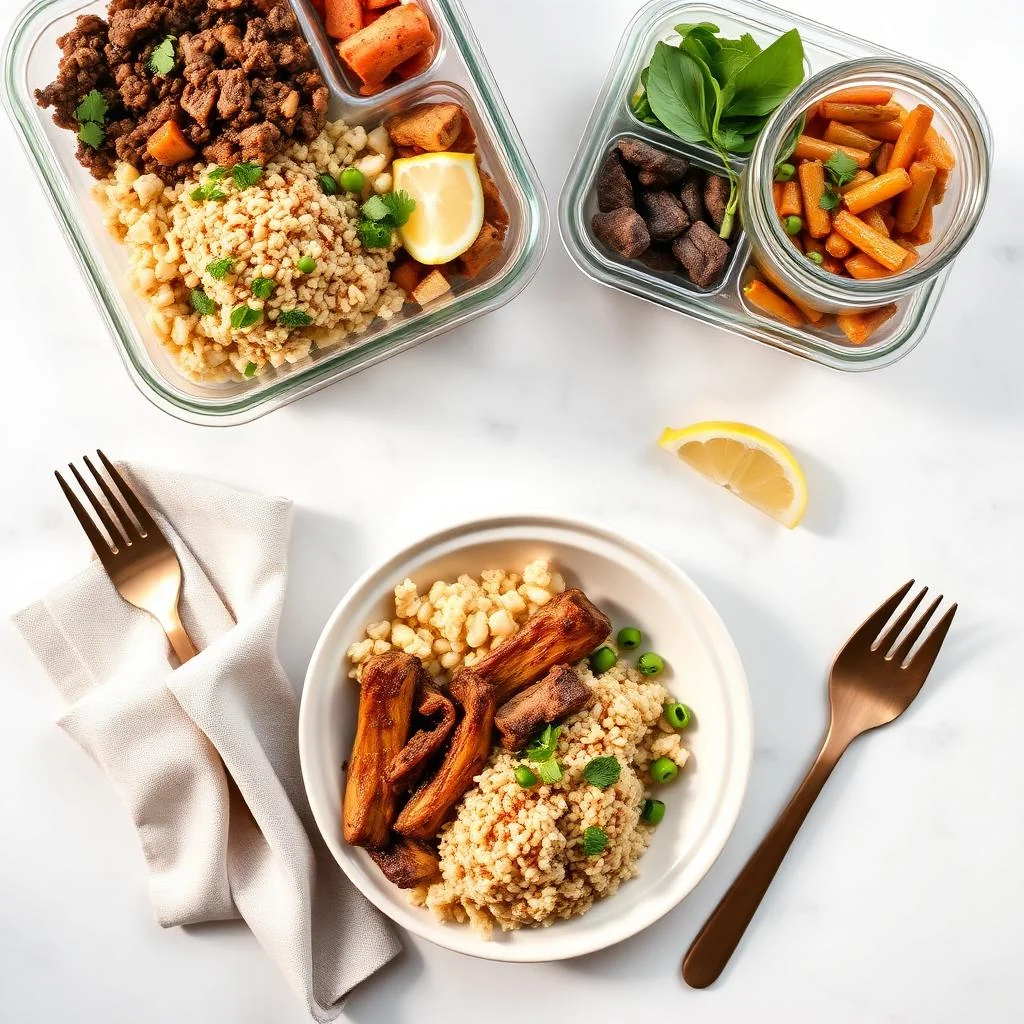
To store the Korean Beef Bowls, let them cool to room temperature, then cover and refrigerate for up to 3 days or freeze for up to 2 months. To reheat, microwave each bowl for 1-2 minutes, or until the ingredients are heated through.
When reheating, make sure to heat the ingredients evenly and thoroughly to prevent foodborne illness. You can also reheat the bowls in the oven or on the stovetop if you prefer.
To freeze the bowls, make sure to cool them to room temperature first, then cover and freeze. When you're ready to eat, simply thaw the bowls overnight in the refrigerator, then reheat as desired.
Some tips for storing and reheating the Korean Beef Bowls include letting them cool to room temperature before refrigerating or freezing to prevent condensation and sogginess, and reheating the bowls properly to prevent foodborne illness.
Frequently Asked Questions
What type of beef is best for this recipe?
Lean beef, such as sirloin or ribeye, is best for this recipe. You can also use other types of protein, such as chicken or pork, if you prefer.
How long can I store the Korean Beef Bowls in the refrigerator?
You can store the Korean Beef Bowls in the refrigerator for up to 3 days. Make sure to let them cool to room temperature before refrigerating to prevent condensation and sogginess.
Can I freeze the Korean Beef Bowls?
Yes, you can freeze the Korean Beef Bowls for up to 2 months. Make sure to cool them to room temperature first, then cover and freeze. When you're ready to eat, simply thaw the bowls overnight in the refrigerator, then reheat as desired.
How do I reheat the Korean Beef Bowls?
You can reheat the Korean Beef Bowls in the microwave, oven, or on the stovetop. Make sure to heat the ingredients evenly and thoroughly to prevent foodborne illness.
What are some variations I can make to the recipe?
Some variations you can make to the recipe include adding some heat to the dish by incorporating some red pepper flakes or sriracha into the marinade or sauce, using different types of protein, such as chicken or pork, and adding some crunch to the dish by sprinkling some toasted sesame seeds or chopped nuts over the top of each bowl before serving.
Can I use different types of vegetables in the recipe?
Yes, you can use different types of vegetables in the recipe. Some options include broccoli, Brussels sprouts, and carrots. Simply adjust the cooking time and seasoning as needed to ensure the vegetables are tender and flavorful.
How do I prevent the Korean Beef Bowls from becoming soggy?
To prevent the Korean Beef Bowls from becoming soggy, make sure to let them cool to room temperature before refrigerating or freezing. You can also add some crunch to the dish by sprinkling some toasted sesame seeds or chopped nuts over the top of each bowl before serving.
Can I make the Korean Beef Bowls ahead of time?
Yes, you can make the Korean Beef Bowls ahead of time. Simply cook the ingredients, assemble the bowls, and refrigerate or freeze until you're ready to eat. When you're ready to serve, simply reheat the bowls as desired.
Ingredients
- 1 lb (450g) beef sirloin, sliced into thin strips
- 1/4 cup (60g) soy sauce
- 2 tbsp (30g) brown sugar
- 2 cloves garlic, minced
- 1 tsp (5g) grated ginger
- 1 tbsp (15g) vegetable oil
- 1 large carrot, peeled and sliced
- 1 large bell pepper, sliced
- 2 green onions, sliced
- 1 cup (180g) cooked white rice
- Salt and pepper to taste
Instructions
- In a large bowl, whisk together soy sauce, brown sugar, garlic, and ginger to make the marinade. Add the sliced beef and toss to coat. Cover the bowl with plastic wrap and refrigerate for at least 30 minutes or up to 2 hours.
- Preheat the oven to 400°F (200°C). Line a baking sheet with parchment paper or a silicone mat. Arrange the sliced carrot and bell pepper on the prepared baking sheet in a single layer. Drizzle with 1 tablespoon of vegetable oil and season with salt and pepper. Roast in the preheated oven for 20-25 minutes, or until the vegetables are tender and lightly caramelized.
- Remove the beef from the marinade, letting any excess liquid drip off. Heat 1 tablespoon of vegetable oil in a large skillet or wok over medium-high heat. Add the beef and cook for 3-4 minutes per side, or until it reaches an internal temperature of 145°F (63°C) for medium-rare. Transfer the beef to a plate and cover with foil to keep warm.
- In the same skillet, add the sliced green onions and cook for 1-2 minutes, or until they are slightly softened. Add the cooked white rice to the skillet and stir to combine with the green onions.
- To assemble the bowls, slice the cooked beef into thin strips. Divide the cooked rice mixture among four bowls. Top each bowl with a portion of the roasted vegetables, a few slices of the beef, and a sprinkle of salt and pepper to taste.
- In a small bowl, whisk together 2 tablespoons of soy sauce and 1 tablespoon of brown sugar to make the sauce. Bring the sauce to a simmer in a small saucepan over medium heat and cook for 2-3 minutes, or until it has thickened slightly.
- Drizzle the sauce over the top of each bowl and serve immediately.
- Let the bowls cool to room temperature, then cover and refrigerate for up to 3 days or freeze for up to 2 months. To reheat, microwave each bowl for 1-2 minutes, or until the ingredients are heated through.
- To add some crunch to the dish, sprinkle some toasted sesame seeds or chopped nuts over the top of each bowl before serving.
- For an extra burst of flavor, add some diced kimchi or pickled ginger to the bowls before serving.
- Experiment with different types of protein, such as chicken or pork, to change up the flavor of the dish.
- Add some heat to the dish by incorporating some red pepper flakes or sriracha into the marinade or sauce.